
Summary
VVITU recently organized a special seminar focused on Intellectual Property Rights (IPR). The event was designed to help students and researchers understand how to protect their unique ideas and inventions. By teaching the community about legal protections, the university hopes to encourage more creative thinking and innovation on campus. This program highlights the importance of keeping original work safe from unauthorized use in a competitive world.
Main Impact
The primary impact of this seminar is the empowerment of young creators. When students know their ideas can be legally protected, they are more likely to spend time developing new technologies and solutions. This event helps bridge the gap between having a good idea and turning it into a valuable asset. By focusing on these rights, VVITU is building a culture where hard work and original thought are respected and shielded by law.
Key Details
What Happened
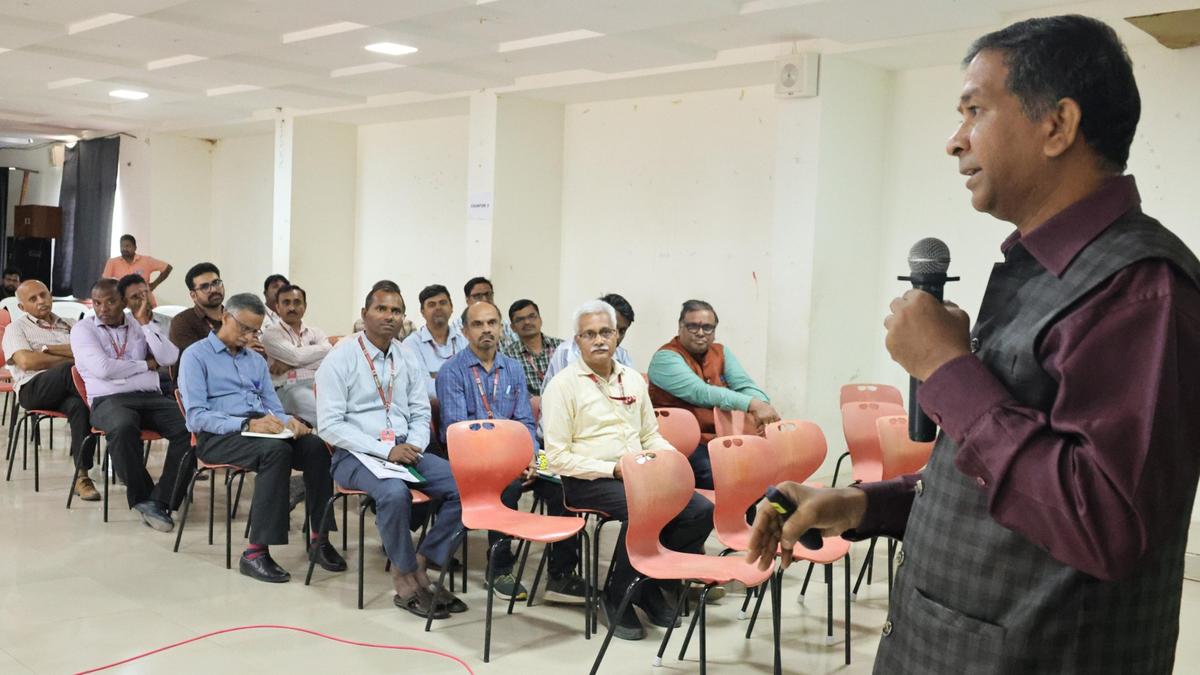
The seminar brought together legal experts, professors, and students to discuss the various ways to secure ownership of intellectual work. Speakers explained that intellectual property is not just for large companies but is also vital for individual inventors and small teams. The sessions covered the steps required to register an idea and the benefits of doing so early in the creative process. Attendees learned that protecting an idea is a key part of the modern research cycle.
Important Numbers and Facts
The event took place on April 24, 2026, drawing a large crowd of engineering and science students. During the presentation, experts noted that patent filings in the education sector have increased significantly over the last five years. The seminar focused on three main areas: patents for new inventions, copyrights for written or artistic works, and trademarks for branding. The university shared that it plans to provide more resources to help students file their own applications in the coming months.
Background and Context
Intellectual Property Rights are laws that give people ownership over the things they create with their minds. Just as a person can own a house or a car, an inventor can own an idea for a new machine or a piece of software. In the past, many great ideas were lost or copied because the creators did not know how to protect them. Today, universities play a major role in teaching these skills. As technology moves faster, knowing how to handle legal documents like patents has become a necessary skill for any professional working in science or business.
Public or Industry Reaction
The response from the university community has been very positive. Many students noted that they previously found legal topics confusing, but the seminar made the information easy to understand. Faculty members expressed that this knowledge will help students when they enter the workforce or start their own companies. Industry experts who attended the event praised VVITU for taking a proactive step in educating the next generation of innovators. They believe that better knowledge of these rights will lead to more high-quality inventions coming out of the region.
What This Means Going Forward
Moving forward, VVITU intends to make IPR education a regular part of its academic calendar. This will likely lead to an increase in the number of patents filed by the university's research departments. For the students, this means they will graduate with a better understanding of how to survive in the business world. There is also a plan to set up a dedicated office on campus where students can get one-on-one help with their legal filings. This long-term strategy will help the institution become a leader in research and development.
Final Take
The seminar at VVITU serves as a reminder that a great idea is only the first step in the journey of innovation. Protecting that idea through legal means is what allows creators to truly benefit from their work. By providing this education, the university is ensuring that its students are not just thinkers, but also owners of their future success. Teaching these skills today will result in a more secure and creative environment for everyone involved in the world of technology.
Frequently Asked Questions
What are Intellectual Property Rights?
These are legal rights that protect creations of the mind, such as inventions, music, books, and designs. They allow the creator to control how their work is used and to earn money from it.
Why did VVITU host this seminar?
The university wanted to teach students how to safeguard their original ideas and encourage them to think creatively without worrying about their work being stolen or copied.
Who can apply for a patent or copyright?
Anyone who creates something original can apply. This includes students, teachers, and independent researchers who have developed a new product, process, or piece of art.

