
Summary
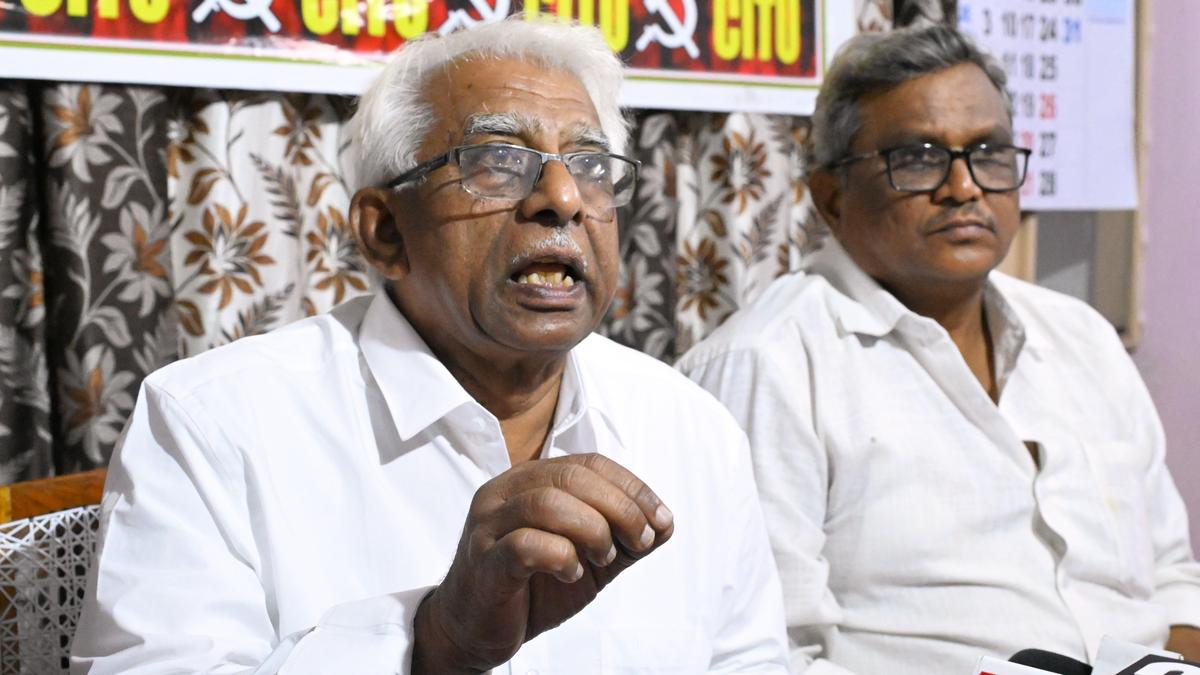
The Centre of Indian Trade Unions (CITU) has strongly criticized the central government's ongoing efforts to privatize the Visakhapatnam Steel Plant (VSP). Union leaders claim that the government is intentionally creating a financial crisis at the plant to justify selling it to private companies. The workers are demanding that the government provide immediate financial help and supply raw materials to keep the plant running. This dispute has become a major point of tension between labor groups and federal authorities.
Main Impact
The move to privatize the steel plant has created a sense of fear and uncertainty among thousands of employees and their families. If the plant is sold to a private owner, workers worry about job security, reduced benefits, and changes to their working conditions. Beyond the workers, the local economy of Visakhapatnam depends heavily on the steel plant. A change in ownership or a reduction in operations could hurt small businesses and suppliers throughout the region.
Key Details
What Happened
CITU leaders recently held a series of meetings and public protests to voice their anger against the government's policies. They argue that the government is "starving" the plant by not providing enough working capital. By making the plant look like it is failing financially, the union claims the government is making it easier to hand over the asset to large private corporations. The union has called for a nationwide movement to protect public sector units from being sold off.
Important Numbers and Facts
The Visakhapatnam Steel Plant, also known as Rashtriya Ispat Nigam Limited (RINL), is a massive industrial site with the capacity to produce over 7 million tonnes of steel. However, it has been struggling with high production costs. Unlike other major steel plants in India, VSP does not have its own iron ore mines. This means it must buy raw materials at market prices, which costs the plant hundreds of crores of rupees every year. The union is demanding that the government allot captive mines to the plant immediately to lower these costs.
Background and Context
The Visakhapatnam Steel Plant is not just a factory; it is a symbol of pride for the people of Andhra Pradesh. It was established after a long and intense public struggle in the 1960s under the slogan "Visakha Ukku, Andhrula Hakku," which means "Visakha Steel is the right of the Telugu people." Many people lost their land and even their lives during the protests to bring this plant to the region. Because of this history, any attempt to privatize the plant is seen as an insult to the sacrifices made by the local community.
In recent years, the central government has moved toward a policy of "disinvestment," which involves selling off government-owned businesses. The government argues that private companies can run these plants more efficiently. However, labor unions like CITU argue that public assets belong to the people and should be used for the public good rather than for private profit.
Public or Industry Reaction
The reaction from the workforce has been one of total opposition. Workers have organized rallies, hunger strikes, and gate protests to show their resistance. Other political parties in the state have also joined the cause, fearing that the loss of a public sector giant will hurt the state's industrial future. Industry experts have pointed out that while the plant has debt, its infrastructure and machinery are world-class. They suggest that with the right management and raw material support, the plant could easily become profitable again without needing to be sold.
What This Means Going Forward
The conflict between the trade unions and the government is likely to grow more intense in the coming months. CITU has threatened to escalate their protests if the government does not stop the privatization process. One of the main solutions proposed by the union is to merge VSP with the Steel Authority of India Limited (SAIL). Since SAIL has plenty of iron ore mines, a merger would solve the raw material problem instantly. If the government ignores these demands, we may see more strikes that could stop production entirely, further hurting the plant's finances.
Final Take
The struggle over the Visakhapatnam Steel Plant is a clear example of the tension between government economic policies and the rights of workers. While the government looks at the plant as a financial burden to be offloaded, the workers and local citizens see it as a vital part of their heritage and future. The outcome of this battle will likely set a precedent for how other public sector companies are handled in the future. Protecting the plant requires more than just stopping a sale; it requires a real plan to provide the resources needed for it to thrive.
Frequently Asked Questions
Why is the Visakhapatnam Steel Plant in financial trouble?
The plant does not have its own iron ore mines, so it has to buy raw materials at high market prices. This, combined with a lack of funding from the government, has led to high debts and production challenges.
What is CITU demanding?
CITU wants the government to stop the privatization plan, provide immediate funds to run the plant, and either give the plant its own mines or merge it with the Steel Authority of India Limited (SAIL).
Why are people in Andhra Pradesh so protective of this plant?
The plant was created after a massive public movement where many people sacrificed their land and lives. It is considered a symbol of regional pride and a major source of employment for the state.

