
Summary
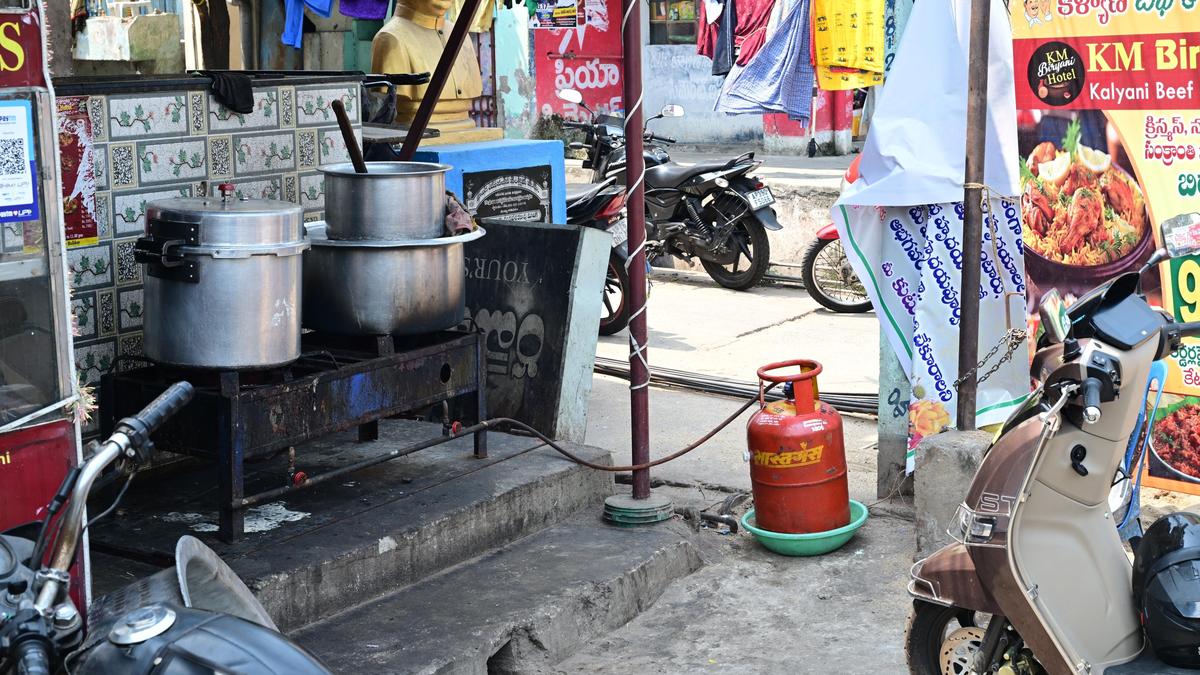
Small food businesses and roadside vendors in Vijayawada are facing a difficult time due to a sudden shortage of Liquefied Petroleum Gas (LPG). These small-scale entrepreneurs rely on gas cylinders to cook food every day, but the current supply issues are making it hard for them to stay in business. Many vendors have been forced to reduce their working hours, while others have closed their stalls completely until the situation improves. This crisis is affecting the livelihoods of thousands of people who depend on daily sales to support their families.
Main Impact
The shortage of LPG has hit the street food sector harder than any other industry in the city. Unlike large restaurants that may have backup supplies or more money to deal with price hikes, roadside vendors operate on very thin profit margins. When gas becomes hard to find or too expensive, these small businesses cannot survive. The most immediate effect is the disappearance of many popular food carts from the streets, which also limits the food options for low-income workers who rely on these stalls for cheap meals.
Key Details
What Happened
In recent weeks, the supply of gas cylinders in Vijayawada has become unstable. Vendors report that they have to wait much longer than usual to get a refill. Some have tried to buy gas from different sources, but the prices are often much higher than the official rates. Because these vendors sell food at low prices, they cannot easily increase their costs to cover the extra expense of gas. As a result, many have decided that it is cheaper to stay closed than to run a business at a loss.
Important Numbers and Facts
Vijayawada is home to thousands of small food stalls, including tiffin centers, tea shops, and snack carts. A typical small food cart uses at least one commercial gas cylinder every few days. With the current crisis, some vendors report waiting three to five days longer than usual for a delivery. In some areas, the number of active street food stalls has dropped by nearly 30 percent over the last two weeks. This has led to a significant loss in daily earnings for families who live day-to-day on their sales.
Background and Context
Street food is a vital part of life in Vijayawada. From early morning idli and dosa stalls to evening snack carts selling mirchi bajji, these businesses provide affordable food to students, laborers, and office workers. Over the years, almost all these vendors moved away from using coal or wood fires to using LPG because it is cleaner and faster. However, this shift has made them completely dependent on the gas supply chain. When the supply chain breaks, their entire way of making a living is put at risk. This is not just a fuel problem; it is a food security and employment problem for the local community.
Public or Industry Reaction
The reaction from the vendor community has been one of worry and frustration. Many stall owners have expressed that they feel ignored by local authorities. They argue that while large industries get plenty of attention, the small street vendors are left to struggle on their own. Customers are also feeling the impact. Many people who rely on these stalls for breakfast or dinner now have to find other, often more expensive, places to eat. Some regular customers have even started bringing their own food to work because their favorite local stalls are no longer open.
What This Means Going Forward
If the LPG supply does not return to normal soon, many of these small businesses may never reopen. The longer a stall stays closed, the harder it is for the owner to pay for basic needs like rent and groceries. There is also a risk that some vendors might turn to unsafe cooking methods, such as using low-quality fuels or illegal gas connections, just to keep their businesses running. Local leaders and gas agencies need to work together to ensure that small businesses get a fair share of the available supply. Without a steady flow of gas, the vibrant street food culture of the city could face a long-term decline.
Final Take
The current gas crisis in Vijayawada highlights how vulnerable small-scale workers are to changes in the energy market. While a few days of gas shortage might seem like a small problem for some, it is a total loss of income for a roadside vendor. Protecting these small businesses is essential for the local economy and for the thousands of people who rely on them every day for a hot meal. Quick action is needed to stabilize the supply and help these hardworking individuals get back to their spots on the street.
Frequently Asked Questions
Why are roadside eateries closing in Vijayawada?
They are closing because there is a shortage of LPG cylinders. Without gas, they cannot cook food, and many cannot afford the high prices of gas on the black market.
How does this affect the local people?
Many people, especially low-wage workers and students, rely on these stalls for affordable meals. When the stalls close, these people have to spend more money on food elsewhere.
What can be done to fix the problem?
The government and gas agencies need to improve the distribution of commercial gas cylinders and ensure that small vendors have access to fuel at fair prices.

