
Summary
In the city of Vijayawada, many people are struggling to survive and have turned to begging on the streets. This situation is caused by a mix of deep poverty, the loss of homes, and personal tragedies that leave individuals with no other options. While the government and local groups try to help these people find new ways to live, the current efforts are not enough to keep up with the growing number of people in need. This report looks at the difficult lives of those caught between the need to eat and the rules of the law.
Main Impact
The rise in the number of people begging has a major effect on the social fabric of the city. It shows that many citizens are falling through the cracks of the current support system. When people lose their jobs or are forced out of their homes, they often have nowhere to turn. This leads to a cycle of poverty that is hard to break. The impact is felt most by the elderly and children, who are the most vulnerable groups on the street. For the city, it creates a challenge in balancing the law with the basic human need for food and shelter.
Key Details
What Happened
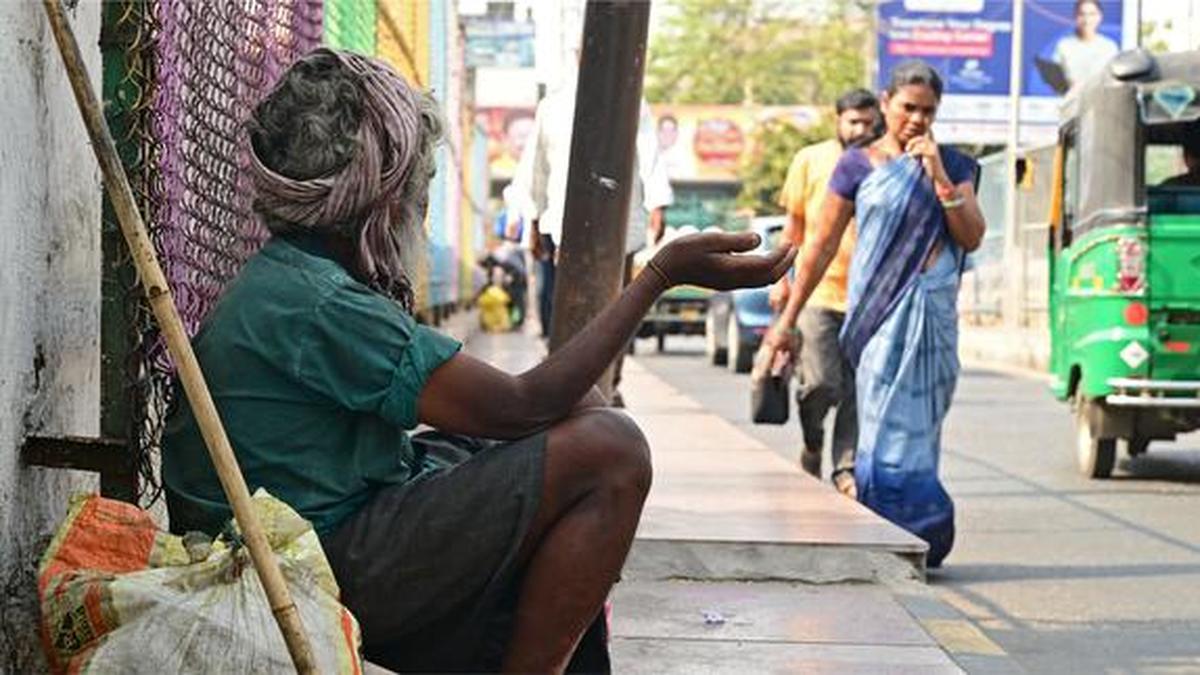
Recent reports from the streets of Vijayawada show that begging is not always a choice but a last resort for many. People are often seen at busy traffic lights, near temples, and at railway stations. Many of these individuals once had normal lives, jobs, and families. However, sudden setbacks like a health crisis or the death of a family member left them with nothing. Others have moved from rural areas to the city hoping for work, only to find that there are no jobs available for them. Without money for rent or food, the street becomes their only home.
Important Numbers and Facts
While it is hard to count every person living on the street, officials note that the numbers have stayed high despite various programs. Many of those begging do not have official identity cards. Without these cards, they cannot sign up for government welfare programs or get free grain from shops. Data suggests that a large portion of the street population consists of people over the age of 60 who have been abandoned by their children. Additionally, many families living in temporary tents on the outskirts of the city are forced to beg when daily labor work is not available.
Background and Context
The issue of begging in Vijayawada is tied to several long-term problems. First, the cost of living has gone up, making it hard for low-income workers to afford basic needs. Second, social customs in some areas sometimes lead to the abandonment of widows or the elderly. Third, when natural disasters like floods happen in nearby villages, people lose their farms and move to the city. These people often lack the skills needed for city jobs. The law in many places treats begging as a crime, but social workers argue that punishing the poor does not solve the reason why they are poor in the first place.
Public or Industry Reaction
The public has mixed feelings about the situation. Many residents feel a sense of pity and regularly give small change or food to those in need. They believe that the government should do more to provide shelters. On the other hand, some business owners and commuters feel that the presence of many beggars at traffic signals can be a safety risk or a nuisance. The police often conduct drives to move people away from public areas, but these actions are usually temporary. Without a permanent place to stay, the people simply move to a different street and return later.
What This Means Going Forward
To solve this problem, the city needs a better plan for helping people start over. This is often called rehabilitation. It involves more than just giving someone a meal for a day. It means providing safe housing, medical care, and job training. For the elderly, it means building more government-run homes where they can live with dignity. For younger people, it means teaching them skills so they can earn a living. If the city only focuses on clearing the streets without addressing why people are there, the number of people begging will likely continue to grow as economic pressures increase.
Final Take
The struggle for survival on the streets of Vijayawada is a reminder of the gap between the rich and the poor. While the city grows and changes, many people are left behind with no safety net. Solving this issue requires a kind heart and a smart plan that looks at the root causes of poverty. True progress will only happen when every person has a way to support themselves without having to ask for help on a street corner.
Frequently Asked Questions
Why is begging increasing in Vijayawada?
It is increasing because of high living costs, lack of jobs for unskilled workers, and people being forced to leave their rural homes due to poverty or disasters.
Why don't these people use government help?
Many people on the streets do not have the necessary ID cards or documents to sign up for government aid. Some are also unaware of the programs that exist to help them.
What is being done to help them?
The government and some non-profit groups run shelters and occasionally provide food. However, there is a need for more long-term solutions like job training and permanent housing for the elderly.

