Summary
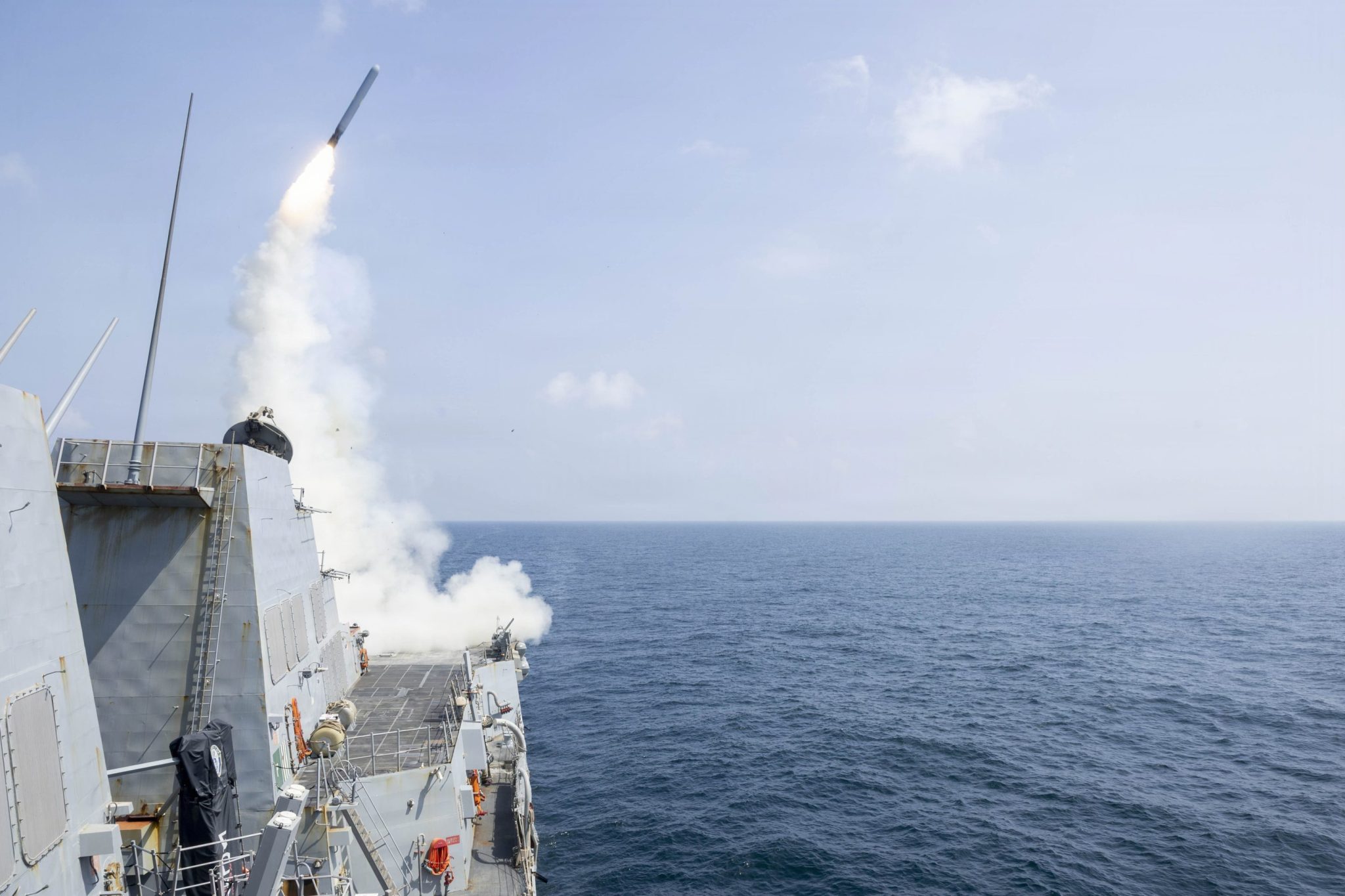
Modern warfare is changing because of a massive gap in the cost of weapons. Recent conflicts involving Iran have shown that cheap, mass-produced drones can cause huge financial problems for wealthy nations. While the United States and its allies have strong defenses, they are using multi-million dollar missiles to shoot down drones that cost very little to build. This imbalance is draining U.S. weapon supplies and forcing military leaders to change how they plan for future battles. It also highlights a major risk: the U.S. depends on China for many of the parts needed to build its own advanced weapons.
Main Impact
The biggest impact of this situation is the rapid depletion of the U.S. military's most advanced weapon stocks. Because the U.S. is using its best missiles to stop cheap attacks, it is running out of the tools it would need for a larger war. Experts warn that if a conflict started with a powerful country like China, the U.S. might not have enough ammunition to keep fighting. This has created a "near-term risk" where the military is technically strong but lacks the depth of supplies needed for a long-term struggle.
Key Details
What Happened
In the conflict with Iran, the Iranian military used Shahed drones to attack targets. These drones are simple and slow, but they are very cheap to make. To protect people and buildings, the U.S. and Israel used high-tech defense systems. Even though these defenses worked well and stopped most of the drones, the cost of doing so was much higher than the cost of the attack. This strategy is meant to wear down the enemy's bank account and weapon supplies rather than just winning a single battle.
Important Numbers and Facts
- Drone Cost: An Iranian Shahed drone costs between $20,000 and $50,000.
- Missile Cost: The U.S. uses PAC-3 missiles that cost $4 million each or THAAD interceptors that cost up to $15 million each to stop them.
- Stockpile Loss: The U.S. has already used about 50% of its THAAD interceptors and nearly half of its PAC-3 missiles during the Iran conflict.
- Replacement Time: It could take between one and four years to build enough new missiles to reach the levels the U.S. had before the war started.
- Delivery Delays: No new THAAD interceptors have been delivered since late 2023, and the next shipment is not expected until April 2027.
Background and Context
For a long time, Western militaries focused on building "exquisite" weapons. These are very expensive, highly accurate, and use the latest technology. The idea was that one perfect missile is better than a hundred bad ones. However, the war in Ukraine and the conflict in Iran have shown that "quantity has a quality all its own." If an enemy can send thousands of cheap drones, they can eventually overwhelm even the best defense systems. This is a deliberate strategy to make the U.S. spend too much money and run out of supplies.
Another major issue is where the parts for these weapons come from. Many of the electronics and materials used in U.S. missiles, like the Tomahawk or the Joint Direct Attack Munition, come from China. This is a problem because China is a main rival. If a war broke out with China, they could stop sending the parts the U.S. needs to build more weapons.
Public or Industry Reaction
Military experts and financial analysts are calling this situation "obscene economics." They argue that the current way of fighting is not sustainable. In response, the Pentagon is looking for new ways to build weapons. Newer defense companies are trying to find ways to mass-produce drones and missiles much faster and cheaper than traditional companies. The U.S. military has even started using its own version of the Shahed drone, called the LUCAS drone, to show it can also play the game of using cheap, effective tools.
What This Means Going Forward
In the future, the strongest military will not necessarily be the one with the most expensive jets or ships. Instead, it will be the one that uses the right tool for the right job at the right price. The U.S. will likely continue to use its expensive planes and ships, but it will also need to build thousands of cheap drones to go along with them. There is also a major push to move supply chains away from China. If the U.S. cannot make its own parts at home or get them from friendly nations, it remains at high risk during a global crisis.
Final Take
The era of relying only on a few high-priced weapons is ending. To stay safe, the U.S. must learn to build simple, effective weapons in huge numbers. Success in modern conflict is now measured by how well a country can manage its budget and its factory production lines. If the U.S. cannot fix its supply chain and lower the cost of its defenses, it may find itself unable to win a long war against a patient enemy.
Frequently Asked Questions
Why is the U.S. using expensive missiles against cheap drones?
The U.S. uses these missiles because they are very reliable at hitting targets. Even though the drones are cheap, they can still destroy buildings or kill people if they are not stopped. At the moment, these expensive missiles are the main tools available to ensure the drones are destroyed before they hit their targets.
How does China affect U.S. military production?
China provides many of the raw materials and electronic parts used in American weapons. If China stops these shipments, the U.S. would struggle to build new missiles and high-tech equipment. This creates a major security risk for the U.S. military.
What is the LUCAS drone?
The LUCAS drone is a U.S.-made weapon that is similar to the cheap drones used by Iran. The Pentagon is developing it so the U.S. can have its own mass-produced, low-cost weapon to use in battles without spending millions of dollars on every shot.