Summary
United States and Iranian officials have started a new round of indirect talks in Geneva, Switzerland. These meetings are being described as a final attempt to stop a growing conflict and reach a deal regarding Iran’s nuclear program. While both sides are present in the same city, they are not meeting face-to-face, using middleman to pass messages instead. The outcome of these discussions is uncertain, but the stakes for global security are very high.
Main Impact
The primary goal of these talks is to prevent a full-scale war in the Middle East. For months, tensions have been rising, leading to fears that a single mistake could start a much larger fight. If these negotiations succeed, it could lead to a new agreement that limits Iran's nuclear activities in exchange for lifting economic sanctions. This would help stabilize global oil markets and improve safety in the region. However, if the talks fail, the risk of military action or even stricter economic penalties increases significantly.
Key Details
What Happened
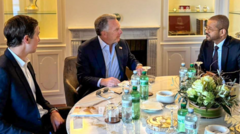
Diplomats from Washington and Tehran arrived in Geneva this week for what many call "proximity talks." Because the two countries do not have official diplomatic relations, they do not sit at the same table. Instead, officials from European countries and other international groups walk between different rooms to share proposals and responses. This method is slow, but it allows both sides to communicate without the political pressure of a direct meeting.
Important Numbers and Facts
The talks focus on returning to a version of the 2015 nuclear deal, which the U.S. left several years ago. Since then, reports show that Iran has increased its supply of enriched uranium. Experts say the amount of material Iran has now is much higher than what was allowed under the old agreement. On the other side, the U.S. has placed hundreds of sanctions on Iran’s economy, which has made life difficult for many people living there. The current goal is to find a middle ground where Iran slows its nuclear work and the U.S. provides some financial relief.
Background and Context
The relationship between the United States and Iran has been difficult for decades. The main point of worry for the U.S. and its allies is whether Iran is trying to build a nuclear weapon. Iran has always said its nuclear program is for peaceful things, like making electricity and helping with medical research. In 2015, a big deal was signed to limit Iran's work, but that deal fell apart in 2018. Since then, both countries have been stuck in a cycle of threats and economic pressure.
Geneva was chosen for these talks because Switzerland has a long history of being a neutral place where enemies can talk. The Swiss government often helps by acting as a bridge between countries that do not get along. These new talks are happening now because both sides feel that time is running out to find a peaceful solution before the situation gets out of control.
Public or Industry Reaction
World leaders have expressed a mix of hope and worry about the Geneva meetings. European leaders have praised the start of the talks, saying that diplomacy is the only way to solve the problem. They believe that a deal is possible if both sides are willing to make small changes. However, some political leaders in both the U.S. and Iran are skeptical. Some American lawmakers worry that Iran is just using the talks to buy more time, while some Iranian officials believe the U.S. cannot be trusted to keep its promises.
In the business world, oil traders are watching the news closely. If a deal is reached, Iran could start selling more oil to the world, which might lower gas prices. If the talks go poorly, prices could go up because of the fear of conflict in the areas where oil is produced.
What This Means Going Forward
The next few days will be very important. Diplomats will look for small areas where they can agree to build trust. If they can agree on even minor points, it might lead to a larger meeting later this year. If they cannot agree on anything, the U.S. may look for ways to increase pressure through more sanctions or by working more closely with military allies in the region.
The biggest challenge is that both sides want the other to take the first step. Iran wants the sanctions removed before it stops its nuclear work. The U.S. wants to see Iran stop its nuclear work before it removes any sanctions. Finding a way for both things to happen at the same time is the main task for the people in Geneva right now.
Final Take
These talks represent a critical moment for international relations. While the path to a full agreement is difficult and full of obstacles, the fact that both sides are talking at all is a positive sign. The world is waiting to see if words can replace threats and if a peaceful path can be found to end years of tension. Success in Geneva would not just be a win for these two countries, but for global peace as a whole.
Frequently Asked Questions
Why are the talks called "indirect"?
They are called indirect because the U.S. and Iranian officials do not talk to each other in the same room. They use people from other countries to carry messages back and forth.
What does Iran want from these meetings?
Iran mainly wants the United States to remove economic sanctions. These sanctions have made it hard for Iran to trade with other countries and have hurt its economy.
What happens if no agreement is reached?
If the talks fail, tensions will likely stay high. This could lead to more sanctions, more nuclear activity from Iran, and a higher risk of military conflict in the Middle East.