Summary
The U.S. Army has signed a massive deal with the defense technology company Anduril, worth up to $20 billion over the next decade. This agreement marks a major shift in how the Pentagon does business with Silicon Valley startups. Instead of small, experimental projects, the military is now giving young tech firms the same long-term, high-stakes responsibilities as traditional defense giants. This move shows that the government is ready to rely on modern software and autonomous systems for its most critical defense needs.
Main Impact
This deal represents a turning point for the defense industry. For years, newer tech companies struggled to move past the "prototype" stage with the military. By signing a contract with a $20 billion ceiling, the Army is signaling that Anduril is no longer just a startup, but a major player. This shift forces newer companies to prove they can handle large-scale manufacturing and supply chain management, just like established contractors have done for decades. It also introduces significant financial risks for the company, as they must now deliver complex technology at a set price.
Key Details
What Happened
The U.S. Army announced a new "enterprise contract" that brings together more than 120 existing orders under one single agreement. This makes it much easier and faster for the military to buy technology from Anduril in the future. The deal focuses heavily on counter-drone systems, which have become essential in modern warfare. Almost immediately after signing the big agreement, the Army issued its first specific order under the new system, worth $87 million.
Important Numbers and Facts
- Total Value: Up to $20 billion over 5 to 10 years.
- Consolidation: Roughly 120 to 130 existing smaller contracts are now under one umbrella.
- Company Growth: Anduril was founded in 2017 and is currently seeking a valuation of $60 billion.
- Comparison: This deal is twice as large as a similar $10 billion agreement signed with the data company Palantir last year.
Background and Context
For a long time, the U.S. military relied almost entirely on a few massive companies like Boeing and Lockheed Martin. These companies are known as "primes." While startups often had better software or faster innovation, they rarely had the size or the money to win the biggest contracts. The Pentagon’s acquisition system was often criticized for being too slow and rewarding companies that made good presentations rather than working products.
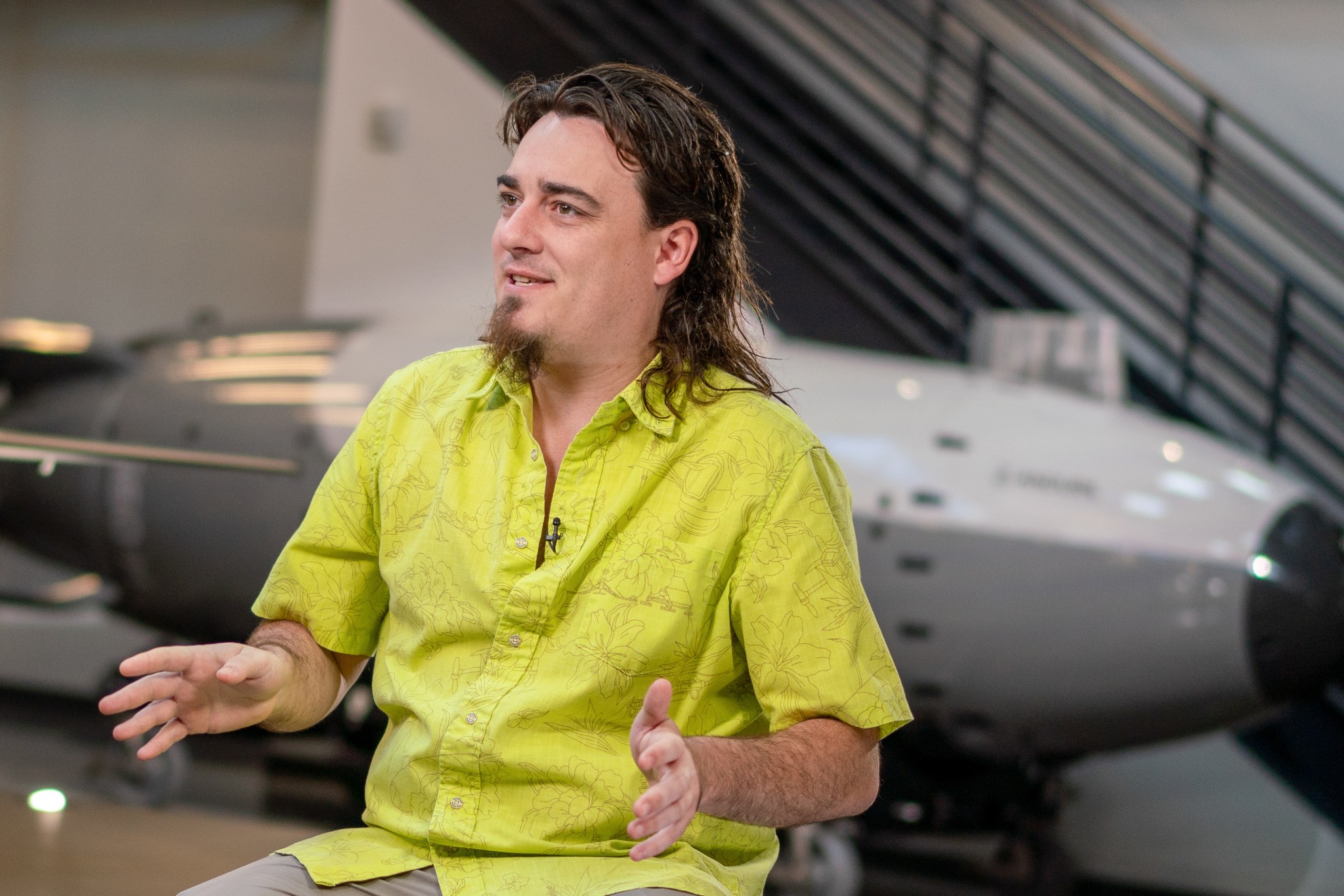
Anduril, founded by Palmer Luckey, changed this approach by building its own products first and then selling them to the government. The company focuses on "software-defined" hardware, meaning their drones and sensors are powered by advanced artificial intelligence. This deal shows that the Army believes this technology is now mature enough to be used across the entire force, rather than just in small test groups.
Public or Industry Reaction
Industry experts see this as a "meaningful signal" to the entire tech world. Steven Simoni, a cofounder of another defense startup, noted that the military is finally moving away from just looking at prototypes. He explained that the government now wants to back companies that can actually build and maintain real systems in the field. Analysts from firms like PitchBook suggest that this deal proves the government sees Anduril’s technology as something that can be scaled up easily, rather than just a one-time experiment.
What This Means Going Forward
While the $20 billion figure is impressive, it comes with a catch. These are "fixed-price" contracts. This means the Army agrees to pay a specific amount, and if the costs of building the technology go up, Anduril has to pay the difference. This is a major risk. In the past, even giant companies like Boeing have lost billions of dollars because they couldn't keep costs under control on fixed-price deals. For example, Boeing lost over $7 billion on a tanker aircraft project due to technical delays and design flaws.
If Anduril can manage its costs and deliver on time, it will make a significant profit and solidify its place as a top-tier defense contractor. However, if they run into manufacturing problems or supply chain issues, the financial pressure could be intense. The Army is essentially betting that Anduril is ready to act like a mature industrial company, not just a software startup.
Final Take
The era of treating tech startups as mere experiments is ending. By committing to a multi-billion dollar partnership, the U.S. Army is embracing a future where software and AI are at the heart of defense. This deal sets a new standard for Silicon Valley, proving that if a company can build reliable hardware and scale its production, the Pentagon is willing to write the big checks. The success or failure of this partnership will likely determine how the military buys technology for the next generation.
Frequently Asked Questions
What is a fixed-price contract?
A fixed-price contract is an agreement where the buyer pays a set amount regardless of how much it costs the seller to produce the item. If the seller spends more than expected, they lose money. If they spend less, they keep the extra profit.
What kind of technology does Anduril provide?
Anduril specializes in autonomous systems, including drones, anti-drone defense systems, and AI-powered software that helps military commanders monitor and protect borders and bases.
Why is this deal different from previous military contracts?
Most startups only get small, short-term contracts for research. This deal is an "enterprise" agreement, meaning it covers a wide range of needs over many years, treating the startup like a major, established defense partner.