Summary
The United States launched airstrikes on Iranian targets in the Strait of Hormuz after several oil tankers were hit in the area. The US says the strikes are meant to impose "heavy costs" on Iran for the attacks. Iran has warned it will "take decisive measures" in response. This marks a major escalation in tensions between the two countries in a key global shipping route.
Main Impact
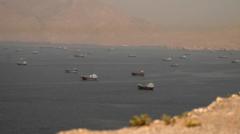
The US military carried out strikes on Iranian positions in the Strait of Hormuz late Tuesday. The action came after at least three oil tankers were damaged by explosions in the narrow waterway. The US blames Iran for the tanker attacks. Iran denies involvement and says the US strikes are an act of aggression. The conflict threatens to disrupt global oil supplies and raise energy prices worldwide.
Key Details
What Happened
US warplanes and naval forces targeted Iranian military sites along the coast of the Strait of Hormuz. The Pentagon said the strikes hit radar systems, missile batteries, and small boat bases used by Iran's Revolutionary Guard. The US says these sites were used to plan and carry out the tanker attacks. Iran's state media reported that several military personnel were killed or wounded in the strikes.
Important Numbers and Facts
The tanker attacks happened on Monday and Tuesday. Three tankers were hit by explosions. One tanker was carrying crude oil from Saudi Arabia. Another was a Japanese-owned vessel. The third was a Liberian-flagged ship. No crew members were killed, but some were injured. The Strait of Hormuz is a narrow passage where about 20% of the world's oil passes through each day. The US has about 50,000 military personnel in the region.
Background and Context
Tensions between the US and Iran have been high for years. The US pulled out of a nuclear deal with Iran in 2018 and reimposed sanctions. Iran has since increased its nuclear activities and attacked oil tankers in the past. The Strait of Hormuz is a critical chokepoint for global energy supplies. Any disruption there can cause oil prices to spike. The US and its allies have been trying to protect shipping in the area. Iran sees the US military presence as a threat to its security.
Public or Industry Reaction
Oil prices jumped by more than 5% after news of the strikes broke. Shipping companies are warning of delays and higher insurance costs for vessels passing through the Strait. Some countries in the region, like Saudi Arabia and the United Arab Emirates, have called for calm. Russia and China condemned the US strikes and urged restraint. Iran's government said it will respond "at a time and place of its choosing." The United Nations called for an immediate de-escalation.
What This Means Going Forward
The situation is very dangerous. Both sides have strong military forces in the region. A small mistake could lead to a wider war. The US says it does not want a war but will defend its interests. Iran says it will not back down. Global oil markets are likely to stay unstable. Countries that depend on oil from the Middle East may face higher prices. Diplomatic efforts to reduce tensions have so far failed. The next few days will be critical.
Final Take
The US strikes on Iran mark a serious turning point in a long-running conflict. The risk of a broader war is now higher than it has been in years. Both sides are showing they are ready to use force. The world is watching closely. The outcome will affect energy prices, global security, and the lives of millions of people in the region.
Frequently Asked Questions
Why did the US strike Iran?
The US says it struck Iran because Iran attacked oil tankers in the Strait of Hormuz. The US wants to stop further attacks and protect global shipping.
What is the Strait of Hormuz?
The Strait of Hormuz is a narrow waterway between Iran and Oman. It is a key route for oil tankers carrying crude oil from the Middle East to the rest of the world.
Could this lead to a war?
Yes, the risk of a wider war is high. Both the US and Iran have strong military forces in the area. Any further attacks or mistakes could lead to a larger conflict.