Summary
The United Kingdom has officially decided not to participate in a naval blockade of the Strait of Hormuz proposed by U.S. President Donald Trump. This decision highlights a growing disagreement between Prime Minister Keir Starmer and the American president regarding how to handle the ongoing conflict with Iran. While the U.S. is moving toward a more aggressive military stance to control the waterway, the British government is focusing on keeping the path open for trade without using direct force. This choice marks a significant moment in the relationship between the two countries, as they struggle to find a common strategy in the Middle East.
Main Impact
The refusal of the UK to join the blockade creates a clear split in Western military policy. The Strait of Hormuz is one of the most important shipping lanes in the world, and any military action there has a direct effect on global oil and gas prices. By staying out of the blockade, the UK is trying to prevent the conflict from growing into a larger war. However, this move has also led to a public falling out between the leaders of the two nations. President Trump has criticized the UK’s lack of support, which could make future cooperation on security and trade more difficult for both sides.
Key Details
What Happened
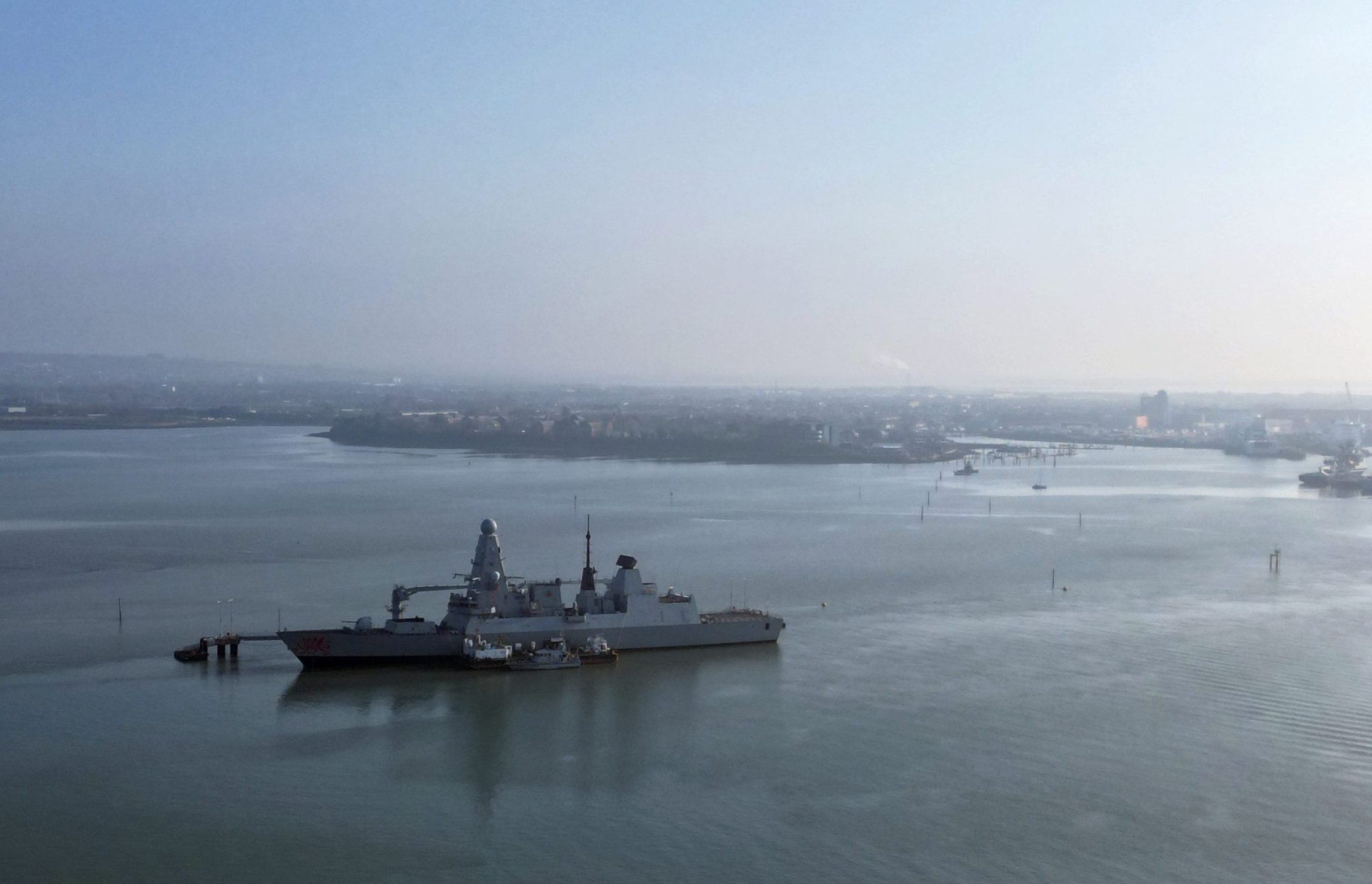
On Sunday, President Trump announced on social media that the United States Navy would immediately begin blockading all ships trying to enter or leave the Strait of Hormuz. He stated that the goal is to stop Iranian influence and protect American interests. He also issued a stern warning, saying that any Iranian forces that fire upon U.S. ships would face immediate and total destruction. Shortly after this announcement, the British government clarified that it would not be a part of this specific military operation. Instead, the UK is looking for ways to ensure ships can move freely through the area using different methods, such as mine-clearing technology.
Important Numbers and Facts
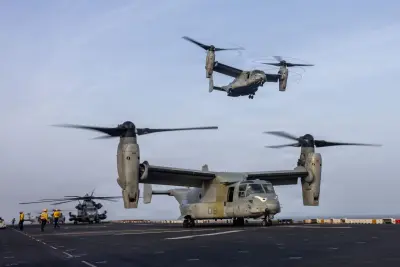
The Strait of Hormuz is a narrow stretch of water that connects the Persian Gulf with the Gulf of Oman. It is the only way for many oil-producing countries to ship their products to the rest of the world. About 20% to 30% of the world's total oil supply passes through this point every day. Because of this, any threat to close the strait usually causes energy prices to rise quickly. In terms of military presence, the UK has already deployed autonomous mine-hunting drones in the region. These are high-tech, underwater robots that can find and remove sea mines without putting sailors in danger. While Trump claimed the UK was sending "minesweepers" to help his plan, the UK government clarified that these assets are for a separate, defensive mission and not for the blockade.
Background and Context
The tension between the U.S. and Iran has been high for a long time, but it has recently reached a breaking point. The U.S. believes that a full blockade is the only way to stop Iran from attacking commercial ships. The UK, however, has a different view. Prime Minister Starmer has repeatedly said that this is "not our war." He wants to protect British interests and values without getting pulled into a long and costly military fight. Earlier in the conflict, Starmer refused to let the U.S. use British military bases for initial attacks on Iran. While he later allowed the bases to be used for "defensive" missions, he has remained very careful about how much the UK gets involved.
Public or Industry Reaction
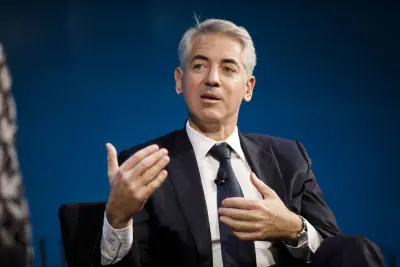
President Trump has reacted angrily to the UK's decision. In a recent television interview, he compared Prime Minister Starmer to Neville Chamberlain. Chamberlain was a British leader before World War II who is often remembered for trying to avoid war with Germany by giving in to their demands. By using this name, Trump is suggesting that Starmer is being weak and failing to face a dangerous enemy. Trump also criticized the UK for offering military help only after a conflict ends, rather than during the fight. On the other side, Starmer has defended his position, stating that the UK will be guided by its own principles and will not be pressured into actions that go against its values. Other countries in the region are also watching closely, with many hesitant to join any military action until a clear peace plan is in place.
What This Means Going Forward
In the coming days, representatives from the UK and other allied countries will meet to discuss how to keep the Strait of Hormuz open. Most of these countries are looking for a diplomatic solution rather than a military one. They fear that a blockade could lead to a full-scale war that would destroy the global economy. The U.S. is likely to continue its blockade alone or with a very small group of allies. This situation puts the UK in a tough spot. It must try to maintain its "Special Relationship" with the U.S. while also standing its ground on how to handle Iran. If the blockade leads to violence, the UK may find it even harder to stay out of the conflict.
Final Take
The disagreement over the Strait of Hormuz shows a major change in how the UK and the U.S. view global security. While the U.S. is ready to use its full naval power to force a result, the UK is choosing a more cautious and independent path. This decision protects the UK from immediate military risks, but it also leaves the country isolated from its most powerful ally during a global crisis. The success of Starmer’s strategy will depend on whether diplomacy can truly keep the world’s most important energy route open without the need for a blockade.
Frequently Asked Questions
Why is the Strait of Hormuz so important?
It is a vital shipping route for global energy. A large portion of the world's oil and natural gas is transported through this narrow waterway, making it essential for the global economy.
What is a naval blockade?
A naval blockade is when a country uses its warships to stop all ships from entering or leaving a specific area. It is often used as a way to pressure an enemy by cutting off their trade.
Why did Trump call Starmer "Neville Chamberlain"?
Trump used this name as an insult to suggest that Starmer is being weak and trying to avoid a necessary fight. It refers to a historical leader who is criticized for not standing up to a threat early enough.