
Summary
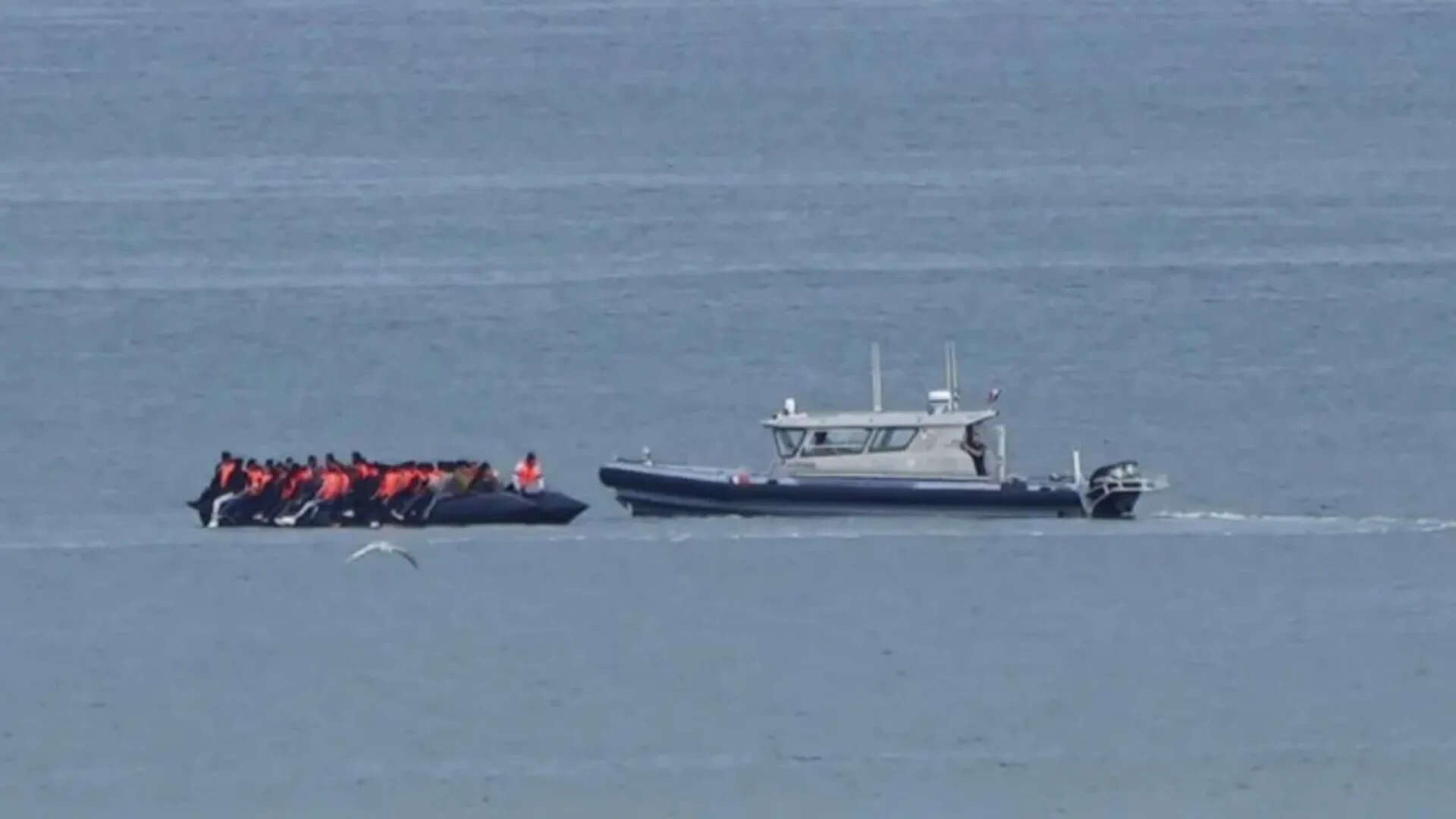
The United Kingdom has officially signed a major new agreement with France to address the ongoing issue of small boats crossing the English Channel. Under this deal, the UK will provide £650 million in funding to France over the coming years. This money is intended to strengthen border security, increase the number of patrols on French beaches, and improve the technology used to track illegal crossings. The main goal of this partnership is to stop human smuggling gangs and prevent dangerous journeys across one of the world's busiest shipping lanes.
Main Impact
The most immediate impact of this deal is a significant boost in the resources available to French law enforcement. By providing hundreds of millions of pounds, the UK is helping France hire more police officers and buy high-tech equipment. This includes drones, night-vision goggles, and better radar systems. The hope is that a larger presence on the coast will act as a deterrent, making it much harder for smuggling groups to launch boats without being caught. This agreement also signals a closer working relationship between London and Paris on the issue of illegal migration.
Key Details
What Happened
Government officials from both the UK and France met to finalize the terms of this multi-year security plan. The deal focuses on stopping the "small boats" crisis, which has seen thousands of people attempt to reach British shores in flimsy, overcrowded rafts. The UK government has made "stopping the boats" a top priority, and this financial package is the largest of its kind to date. The funding will be paid out in stages, with specific targets set for how the money should be used to improve border control.
Important Numbers and Facts
The deal involves a total payment of £650 million from the UK to France. A large portion of this money will go toward hiring over 500 additional French officers to patrol the coastline. Additionally, the funds will support the construction of a new detention center in France. This center will be used to house migrants who are stopped from crossing, providing a place to process them rather than letting them return immediately to the camps near the coast. The agreement also includes more funding for intelligence sharing between the two countries to help catch the leaders of human trafficking networks.
Background and Context
The English Channel is a very dangerous stretch of water. Despite the risks, the number of people trying to cross in small boats has risen sharply over the last few years. Many of these individuals are fleeing conflict or poverty, but they often fall victim to criminal gangs who charge them thousands of dollars for a spot on a boat. These boats are often not safe for the open sea, leading to many tragic accidents and deaths. The UK government faces heavy pressure from the public to manage its borders more effectively, while France has struggled to monitor hundreds of miles of coastline with limited resources. Previous deals have been made, but this new £650 million agreement is much larger and more detailed than anything seen before.
Public or Industry Reaction
The reaction to this deal has been mixed. Supporters of the government say that this is a necessary step to protect national borders and save lives. They argue that by working with France, the UK can stop the problem at its source before the boats ever enter the water. However, some critics believe that spending such a large amount of money will not solve the root cause of the problem. Human rights groups have pointed out that as long as people feel they have no safe or legal way to apply for asylum, they will continue to take risks. Some political opponents also question whether the French police will be able to stop every boat, given how long and difficult the coastline is to watch 24 hours a day.
What This Means Going Forward
In the coming months, the success of this deal will be judged by the number of boat crossings. If the numbers go down, the government will likely point to this agreement as a major victory. If the numbers remain high, there will be more questions about whether the £650 million was well spent. We can expect to see more drones in the sky over northern France and more police vehicles on the sand. Both countries have also agreed to use more advanced data and surveillance tools to track the movement of boats and engines before they even reach the beach. This long-term plan suggests that both the UK and France realize that the migration issue cannot be solved overnight and requires a permanent increase in security.
Final Take
This £650 million deal represents a massive financial and political commitment to securing the English Channel. It shows that the UK is willing to pay a high price for international help to manage its borders. While the extra police and technology will certainly make it harder for smugglers to operate, the real test will be whether these measures can truly end the era of small boat crossings. For now, the focus remains on enforcement and deterrence as the primary tools to handle this complex humanitarian and political challenge.
Frequently Asked Questions
Why is the UK giving money to France?
The UK is providing this money to help France pay for more police officers, better technology, and detention centers. The goal is to stop migrants from launching boats from French beaches toward the UK.
How will the £650 million be spent?
The funds will be used to hire over 500 extra officers, buy surveillance equipment like drones and cameras, and build a new center to hold migrants who are caught trying to cross the Channel.
Will this deal stop all small boat crossings?
While the government hopes this will significantly reduce the number of crossings, it is difficult to stop every boat. The success of the deal depends on how effectively the new resources are used and whether smuggling gangs find new ways to operate.

