
Summary
On April 23, 2026, millions of voters across West Bengal and Tamil Nadu headed to the polls for critical assembly elections. By 1:00 PM, West Bengal reported a high voter turnout of 62 per cent, while Tamil Nadu saw nearly 57 per cent. While the voting process was active, the day was marked by reports of local violence in Bengal and technical issues with voting machines in several areas. These elections are seen as a major test for regional leaders and will influence the political direction of the country.
Main Impact
The high turnout in both states suggests a strong desire among citizens to participate in the democratic process. In West Bengal, the ruling Trinamool Congress (TMC) is fighting to hold onto power for a fourth term, while the BJP is pushing to expand its influence. In Tamil Nadu, the DMK-led government is seeking a second consecutive win against the AIADMK-led alliance. The results, which will be announced on May 4, will determine the balance of power in these two large states and could signal shifts in national political trends.
Key Details
What Happened
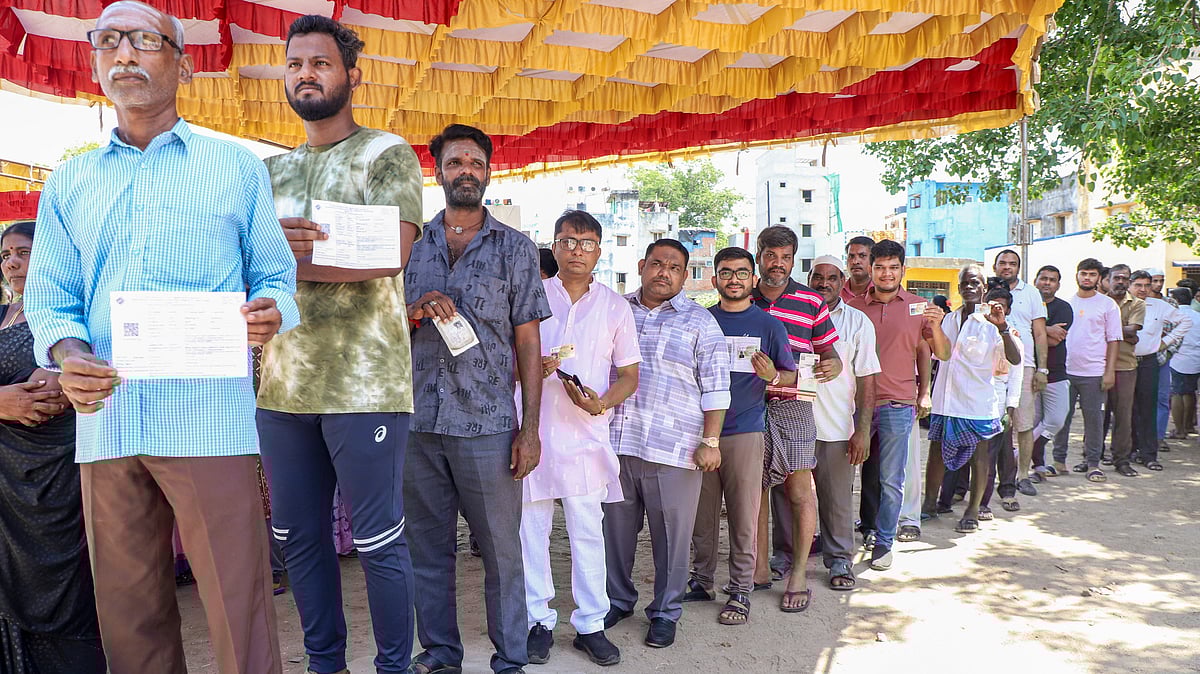
Voting began at 7:00 AM across 152 constituencies in West Bengal and all 234 constituencies in Tamil Nadu. In West Bengal, the first phase of voting covered 16 districts. However, the day was not entirely peaceful. In Murshidabad, clashes broke out between political workers, and reports emerged of crude bombs being used. A BJP candidate, Suvendu Sarkar, claimed he was attacked by a group of locals while visiting a polling booth. In Tamil Nadu, the process was generally smoother, though some voters with disabilities complained that polling stations lacked proper ramps and assistance.
Important Numbers and Facts
- West Bengal Turnout: 62 per cent by 1:00 PM, with Paschim Medinipur leading at over 65 per cent.
- Tamil Nadu Turnout: 56.81 per cent by 1:00 PM, with Tiruppur district seeing the highest participation.
- Total Voters: Over 9 crore people were eligible to vote across both states today.
- Candidates: More than 4,000 candidates are in the fray for 386 total seats.
- Maharashtra By-polls: Baramati recorded 20.5 per cent and Rahuri saw 18.2 per cent turnout by 11:00 AM.
Background and Context
These elections are happening at a time of intense political competition. West Bengal uses a multi-phase voting system because of its large size and history of election-related tension. The state has seen a fierce battle between Mamata Banerjee’s TMC and the BJP over the last few years. In Tamil Nadu, the political scene has traditionally been a fight between two main parties, the DMK and the AIADMK. However, this year, the entry of actor Vijay’s new party, Tamilaga Vettri Kazhagam (TVK), has added a new element to the race, especially among younger voters.
Public or Industry Reaction
Political leaders have been quick to comment on the day's events. Congress President Mallikarjun Kharge urged people to vote in large numbers to protect democracy. Meanwhile, former law minister Kapil Sibal criticized the Election Commission, suggesting that the process in Bengal was not being handled fairly. In Tamil Nadu, TVK chief Vijay asked the commission to extend voting hours by two hours because the process was moving slowly at some booths. Many voters in Bengal expressed frustration over failing voting machines, which forced them to wait for hours in extreme heat reaching 40 degrees Celsius.
What This Means Going Forward
The high voter participation usually indicates a high level of engagement, but it can also mean that voters are eager for change. The violence in West Bengal remains a concern for the upcoming phases of the election. Security forces will likely stay on high alert to prevent further clashes. In Tamil Nadu, the final turnout figures will show if the new third-party option managed to pull votes away from the two main alliances. All eyes are now on May 4, when the counting of votes will reveal the final winners.
Final Take
Despite the heat, technical glitches, and reports of local conflict, the massive turnout shows that the public remains committed to choosing their leaders. The 2026 elections are proving to be a hard-fought battle where every vote will count. The ability of the Election Commission to manage the remaining phases in Bengal and address technical issues will be vital for a fair result.
Frequently Asked Questions
When will the election results be announced?
The counting of votes for the West Bengal and Tamil Nadu assembly elections is scheduled to take place on May 4, 2026.
Why were there delays in voting in some areas?
In several locations, particularly in West Bengal, electronic voting machines (EVMs) suffered technical failures. In some booths, machines had to be replaced multiple times, causing long wait times.
What happened in the Maharashtra by-elections?
By-elections were held in Baramati and Rahuri. The Baramati seat became vacant after the death of leader Ajit Pawar, and his wife, Sunetra Pawar, is one of the main candidates contesting the seat.

