Summary
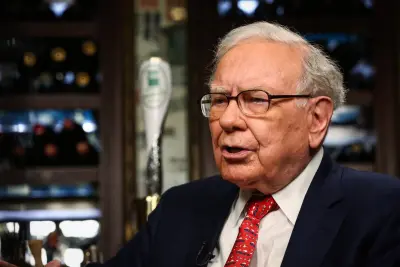
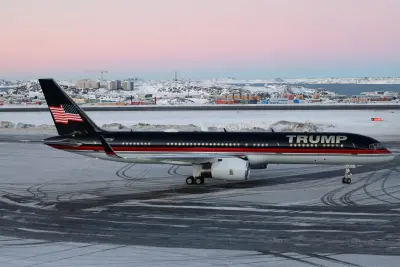
President Trump has made it clear that he is not worried about the possibility of rising gas prices following a major military operation against Iran. He told reporters that while fuel costs might go up, the success of the mission is a much higher priority for the country. This statement shows a shift in focus, where national security goals are being placed ahead of the immediate economic concerns of American drivers. The President’s blunt "if they rise, they rise" comment suggests that the administration is prepared for the financial fallout of its foreign policy.
Main Impact
The most direct result of this stance is a likely increase in the cost of living for many people across the United States. When gas prices go up, it does not just affect people at the pump. The cost of moving goods across the country also rises, which often leads to higher prices for groceries and other daily needs. By signaling that energy costs will not stop military actions, the government is telling the public to prepare for a period of more expensive fuel.
Key Details
What Happened
During a recent discussion about the ongoing situation with Iran, the President was asked about the economic risks of his decisions. Specifically, reporters wanted to know if he was concerned that a conflict would cause oil prices to jump. He responded by saying that the operation against Iran was "far more important" than the price of gas. This confirms that the administration is willing to accept economic pressure if it means achieving its goals in the Middle East.
Important Numbers and Facts
In the past, major tensions in the Middle East have caused crude oil prices to spike by 10% or more in a very short time. Since the United States is one of the largest consumers of oil in the world, even a small change in global prices can lead to billions of dollars in extra costs for citizens. Current estimates suggest that if the situation does not calm down, gas prices could stay at high levels for several months, impacting summer travel and holiday spending.
Background and Context
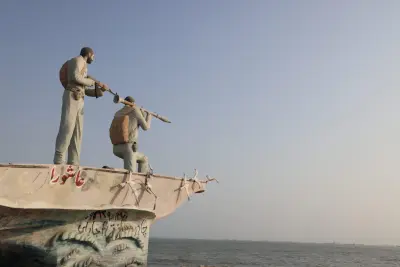
Iran is a key player in the global energy market because of its location. A large amount of the world's oil passes through the Strait of Hormuz, a narrow waterway near Iran's coast. When there is a threat of war or military action in this area, oil traders get nervous. This fear causes the price of oil to go up even before any actual supply is lost. While the United States produces more of its own oil than it used to, it is still part of a global market where prices are set based on international events.
Public or Industry Reaction
The reaction to the President's comments has been mixed. Some military experts agree that national security should always come first and that the threat from Iran must be handled regardless of the cost. However, consumer groups and some economists are worried. They argue that high energy prices act like a hidden tax on the working class. Political opponents have also used this opportunity to claim that the administration is out of touch with the financial struggles of average families who are already dealing with inflation.
What This Means Going Forward
In the coming weeks, the government may try to balance these high prices by encouraging more oil production within the United States. There is also the possibility that the government will release oil from the Strategic Petroleum Reserve to help keep prices stable. However, as long as the conflict with Iran remains the top priority, the market will likely stay volatile. Drivers should expect to see changes at the gas station as the situation develops. The long-term impact will depend on how long the military operation lasts and whether other countries in the region get involved.
Final Take
The decision to prioritize military goals over gas prices is a bold move that carries significant political risk. It shows a government that is focused on long-term security even if it causes short-term pain for the public. Whether the American people will support this trade-off remains to be seen, but for now, the message from the top is clear: the mission comes first, and the economy will have to adjust.
Frequently Asked Questions
Why do tensions with Iran make gas prices go up?
Iran is located near major oil shipping lanes. When there is a conflict, investors worry that oil supplies will be blocked or damaged, which causes the global price of oil to rise quickly.
Will the President do anything to stop the price hike?
While the President said he is not worried about the rise, the government has tools like the Strategic Petroleum Reserve that can be used to add more oil to the market and help lower prices if they get too high.
How much could gas prices actually increase?
It is hard to give an exact number, but historical trends show that major Middle East conflicts can add anywhere from 20 to 50 cents per gallon to the price of gas in a short period.