
Summary
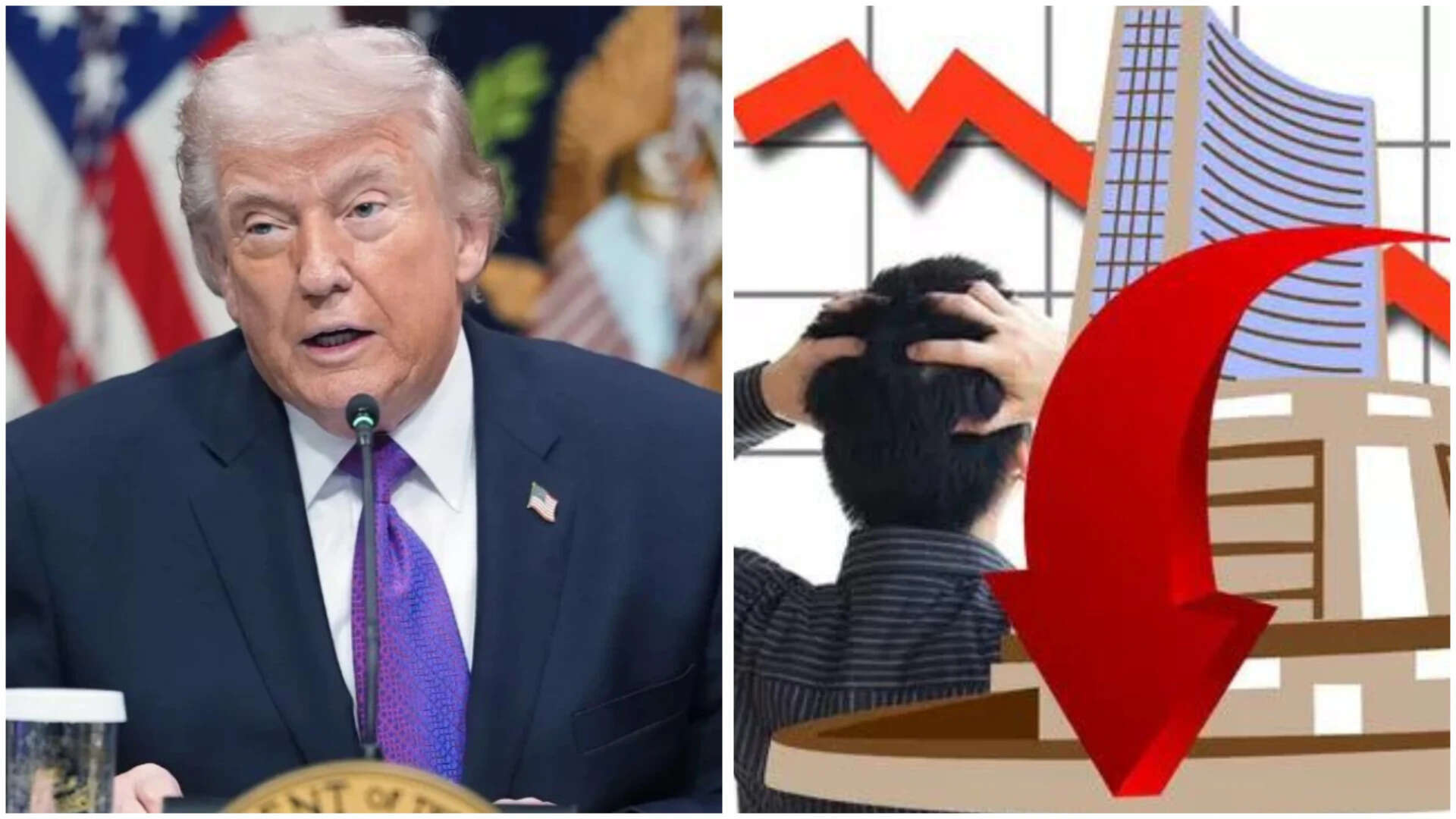
US President Donald Trump has announced a five-day pause on planned military strikes against Iranian infrastructure. This decision comes after what the US administration described as productive discussions, though the Iranian government has publicly mocked the move as a sign of weakness. The news caused a sharp drop in global oil prices, but the Indian stock market suffered a massive crash, with the Sensex falling by 1,800 points. Prime Minister Narendra Modi has warned that the ongoing conflict in the Middle East presents serious challenges for India’s economy and security.
Main Impact
The immediate impact of this announcement is a mix of temporary relief and deep financial worry. While the five-day halt on strikes led to a quick drop in Brent crude oil prices, the uncertainty of what happens after the pause has spooked investors. In India, the stock market saw one of its worst days in recent history. The crash wiped out trillions of rupees in investor wealth, showing how closely India’s financial health is tied to global peace and oil supply chains. If the conflict resumes after the five-day window, the economic pressure could increase significantly.
Key Details
What Happened
The US government had been preparing to hit key Iranian facilities, including energy and transport hubs. However, President Trump decided to delay these actions for five days to allow for further talks. Despite the US calling this a diplomatic window, officials in Tehran reacted with scorn. They claimed the US was "backing down" because it feared the consequences of a full-scale war. This war of words has kept the global community on edge, as no one is sure if a long-term peace deal is actually possible.
Important Numbers and Facts
The financial damage from the day’s events was widespread. The Sensex, India’s main stock market index, plunged by 1,800 points in a single trading session. This resulted in a loss of approximately Rs 14 lakh crore for investors. Brent crude oil prices, which had been rising due to war fears, saw a sudden dip following the news of the five-day pause. However, market experts warn that this price drop might be short-lived if the five-day deadline passes without a permanent agreement.
Background and Context
The tension between the US and Iran has been a major concern for the global economy for years. The Middle East is a vital region for oil production and shipping. Any threat of war there usually leads to higher fuel prices across the world. For a country like India, which imports most of its oil, high prices lead to inflation and higher costs for everyday goods. This is why the Indian government and local markets react so strongly to any news of conflict or potential strikes in the region. The current situation is particularly sensitive because it involves direct threats to infrastructure that could stop oil flow entirely.
Public or Industry Reaction
Prime Minister Narendra Modi addressed the situation, noting that the Middle East conflict is creating "unprecedented challenges" for India. He highlighted that the instability affects trade, energy security, and the safety of Indian citizens working in the region. Financial analysts have also expressed concern, stating that the 1,800-point drop in the Sensex reflects a "panic mode" among investors. While some see the five-day pause as a good sign, many traders are selling their stocks to avoid further losses in case the situation gets worse next week.
What This Means Going Forward
The next five days will be critical for global diplomacy. If the US and Iran can find common ground during this pause, oil prices may stabilize, and stock markets could recover some of their losses. However, if the talks fail, the risk of military action will return. This would likely lead to another spike in oil prices and more volatility in the markets. India will be watching closely, as the government may need to take steps to protect the economy from rising fuel costs and further stock market instability.
Final Take
The five-day halt on strikes offers a small window of hope, but the mocking response from Tehran suggests that a peaceful resolution is still far away. For now, the world is in a waiting game. Investors and world leaders are bracing for what happens when the clock runs out. The massive loss in the Indian stock market serves as a reminder of how fragile global stability is and how quickly international conflicts can hit the pockets of regular people.
Frequently Asked Questions
Why did the Indian stock market crash?
The market crashed because investors are afraid that the conflict between the US and Iran will lead to higher oil prices and disrupt global trade. This fear caused many people to sell their stocks quickly, leading to an 1,800-point drop.
What is the "five-day halt" mentioned by Trump?
It is a temporary pause in planned military attacks on Iranian infrastructure. The US says it is giving time for talks, while Iran claims the US is hesitating to start a war.
How does this conflict affect regular people in India?
When there is tension in the Middle East, oil prices usually go up. Since India imports a lot of oil, this can lead to more expensive petrol, diesel, and transport costs, which eventually makes food and other goods more expensive.



