
Summary
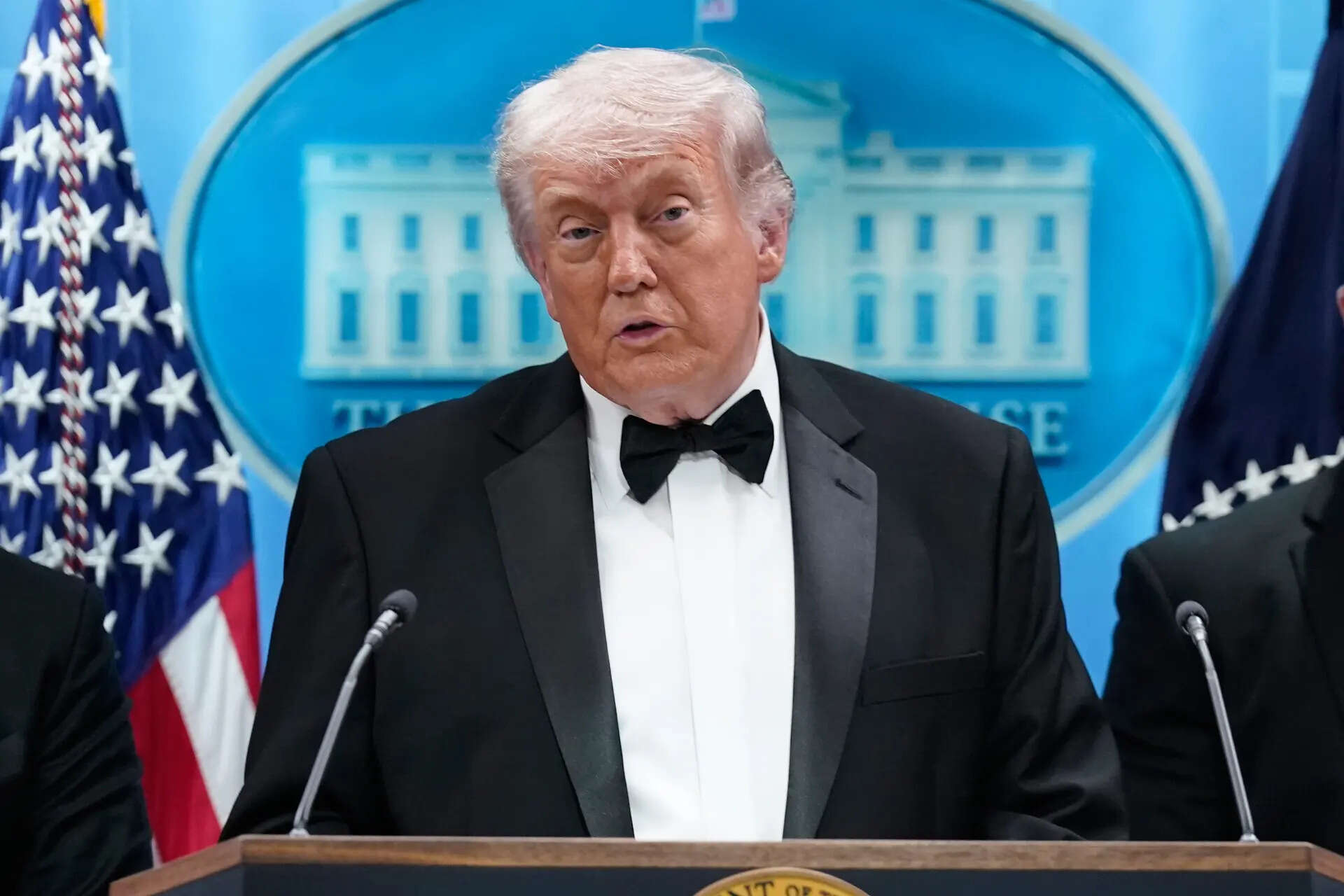
Donald Trump has sent a clear message to the leaders of Iran regarding future talks. He stated that while he is open to receiving a phone call from them, there is a major condition that must be met first. Iran must agree that it will never possess nuclear weapons. Without this specific commitment, Trump believes there is no reason for both sides to sit down and talk. This statement highlights a firm stance on national security and international relations.
Main Impact
This development sets a strict boundary for any future diplomacy between the United States and Iran. By making "no nuclear weapons" a starting point, the U.S. is signaling that it will not move away from its long-standing pressure campaign. This approach affects more than just the two countries involved. It has a direct impact on the stability of the Middle East and influences how other world powers, like those in Europe and Asia, handle their own trade and security deals with Iran.
Key Details
What Happened
In a recent public statement, Donald Trump addressed the ongoing tension with Iran. He mentioned that the Iranian government knows how to reach him if they want to negotiate. However, he was very direct about his expectations. He noted that a meeting would be a waste of time if the goal of the Iranian government is still to develop nuclear technology for military use. He wants a deal that ensures Iran remains a non-nuclear state forever.
Important Numbers and Facts
The history of this conflict involves several key milestones. In 2015, a major nuclear deal known as the JCPOA was signed by Iran and several world powers. Under that deal, Iran agreed to limit its nuclear activities in exchange for the removal of economic sanctions. However, the U.S. withdrew from this agreement in 2018, claiming it was not strong enough. Since then, hundreds of sanctions have been placed back on Iran, significantly affecting its economy and oil exports. Trump’s current demand suggests he wants a new agreement that is much stricter than the 2015 version.
Background and Context
The issue of Iran’s nuclear program has been a global concern for decades. Many countries fear that if Iran develops a nuclear bomb, it could lead to a dangerous arms race in the Middle East. This would put neighbors and international allies at risk. The United States has used economic pressure, often called "maximum pressure," to try and force Iran back to the bargaining table. The goal is to create a deal that covers not just nuclear weapons, but also long-range missiles and support for various groups in the region.
For the average person, this conflict matters because it affects global energy prices. Iran is a major oil producer. When tensions rise, the price of oil often goes up, which can make gasoline and electricity more expensive around the world. Understanding these talks helps people see why prices at the pump might change based on news from the other side of the world.
Public or Industry Reaction
Political experts have mixed views on this latest statement. Some believe that a firm hand is the only way to get Iran to change its path. They argue that showing any weakness would only encourage more nuclear development. On the other hand, some diplomats worry that setting such a hard condition before a meeting even starts might prevent any progress from happening at all. They suggest that small steps are better than demanding everything at once.
Inside Iran, the reaction is usually one of caution. Iranian leaders have often said they will not talk to the U.S. unless sanctions are lifted first. This creates a "chicken and egg" problem where neither side wants to be the first to give in. Meanwhile, global markets remain watchful, as any sign of a real meeting could lead to a drop in oil prices and a boost in international trade confidence.
What This Means Going Forward
The next steps depend entirely on how Iran chooses to respond. If they reach out and agree to the condition, we could see a historic summit. If they refuse, the current state of high tension and heavy sanctions will likely continue. This could lead to further economic struggles for the Iranian people. For the U.S., the focus will remain on monitoring Iran's nuclear facilities and working with allies to keep the pressure high. The risk of a military conflict remains low as long as both sides prefer talking, even if they cannot agree on the rules for those talks yet.
Final Take
The demand for a nuclear-free Iran is a clear line in the sand. It shows that the U.S. is not interested in small talk or temporary fixes. By putting the responsibility on Iran to make the first move, the U.S. is maintaining its position of power. Whether this leads to a new peace deal or more years of sanctions depends on if both nations can find a middle ground that satisfies their security needs.
Frequently Asked Questions
Why does the U.S. insist on "no nukes" for Iran?
The U.S. believes that a nuclear-armed Iran would threaten the safety of the Middle East and its allies. It wants to prevent a situation where multiple countries in the region feel they need their own nuclear weapons to stay safe.
What happened to the old nuclear deal?
The U.S. left the 2015 nuclear deal in 2018. The current administration felt the old deal had too many loopholes and did not stop Iran from developing missiles or participating in regional conflicts.
How do sanctions affect Iran?
Sanctions make it very hard for Iran to sell its oil and do business with other countries. This leads to high prices for goods inside Iran and makes it difficult for the government to fund its programs.

