
Summary
Law students from across India are coming together to protest a new government bill regarding transgender rights. More than 40 student groups from over 25 law schools have signed a joint statement against the Transgender Persons (Protection of Rights) Amendment Bill, 2026. These students argue that the proposed changes will hurt the rights of the transgender community and take away their ability to decide their own identity. The protest highlights a growing worry that the law moves backward instead of forward on human rights.
Main Impact
The biggest concern with this new bill is how it changes the way a person is legally recognized as transgender. If the bill becomes law, it will stop people from simply declaring their own gender identity. Instead, they would have to go through a strict process involving government officials and medical professionals. This change could make it much harder for transgender people to get the legal documents they need for work, education, and daily life. It also risks leaving out many people who do not fit into strict biological categories.
Key Details
What Happened
On March 20, 2026, a large group of law students and student organizations issued a formal statement against the bill. They are worried about the Transgender Persons (Protection of Rights) Amendment Bill, which was recently introduced in the Lok Sabha. The students say the government did not talk to the transgender community before writing these new rules. Because of this, the bill does not reflect the actual needs or lives of the people it affects.
Important Numbers and Facts
The opposition to the bill is widespread and includes some of the most respected law schools in the country. Here are the key facts regarding the protest:
- 40+ Student Organizations: Groups like the Students' Federation of India (SFI) and the All India Students' Association (AISA) are leading the movement.
- 25+ Law Schools: Students from top institutions like the National Law School of India University (NLSIU), NALSAR University of Law, Jamia Millia Islamia, and Government Law College Mumbai have joined the cause.
- March 13, 2026: This is the date the bill was first presented in the Lok Sabha without prior public discussion.
- Medical Boards: The bill requires a medical board to verify a person's identity, which was not required in the same way before.
Background and Context
To understand why this is such a big deal, we have to look back at a famous court case from 2014. In the NALSA v. Union of India case, the Supreme Court of India ruled that every person has the right to choose their own gender identity. This is called the principle of self-identification. It means that a person’s own sense of who they are is more important than what a doctor says or what is written on their birth certificate.
In 2019, a law was passed to protect transgender rights, but many activists felt it was already too weak. The new 2026 amendment makes things even more difficult. By requiring a medical board to "check" a person's gender, the government is going against what the Supreme Court decided years ago. Law students, who study these rules every day, say this is a violation of the constitution and basic human dignity.
Public or Industry Reaction
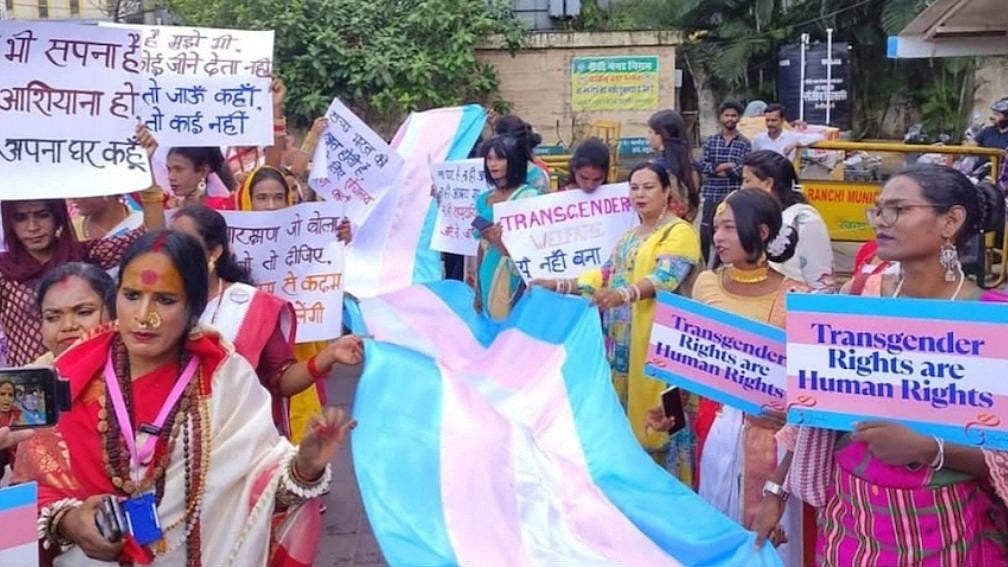
The reaction has not been limited to law schools. People have taken to the streets in major cities like Delhi, Pune, Hyderabad, and Kolkata. Protesters are holding signs and asking the government to withdraw the bill immediately. Many activists call the bill "draconian," which means it is unnecessarily harsh and cruel.
Political leaders have also started to speak out. Some members of the opposition have criticized the government for rushing the bill through without asking the National Council for Transgender Persons for their opinion. Student groups are now writing letters and meeting with Members of Parliament to try and stop the bill from passing in its current form.
What This Means Going Forward
If the government continues to push this bill, there will likely be more protests and possibly legal challenges in court. The law students argue that the bill narrows the definition of "transgender" so much that it might exclude trans men or people who identify as non-binary. This could lead to a situation where thousands of people lose their legal protections overnight.
The next few weeks will be very important. The government has not yet given a detailed answer to the students' concerns. If they do not change the bill, the transgender community and their supporters may take the matter back to the Supreme Court to protect the rights they won in 2014.
Final Take
The fight over this bill is about more than just paperwork; it is about the right to exist as oneself without fear of government interference. Law students are standing up because they see a direct threat to the legal principles of equality and privacy. For the transgender community, the outcome of this debate will decide whether they can live with dignity or if they will be forced to follow rules that do not recognize their true identity.
Frequently Asked Questions
What is self-identification in transgender rights?
Self-identification is the legal right for a person to decide their own gender identity without needing a medical exam or a doctor's certificate to prove it.
Why are law students protesting the 2026 Bill?
They believe the bill violates a Supreme Court ruling by forcing transgender people to go before a medical board and a district authority to get legal recognition.
Which cities have seen protests against the bill?
Protests and demonstrations have been reported in several major Indian cities, including Delhi, Kolkata, Pune, and Hyderabad.

