
Summary
The Lok Sabha has officially passed the Transgender Persons (Protection of Rights) Amendment Bill, 2026. This new law changes the legal definition of who is considered a transgender person in India. By narrowing the definition, the government aims to focus on specific social and cultural groups that face the highest levels of daily struggle and unfair treatment. However, the decision to remove self-identity from the law has caused a significant debate among lawmakers and activists.
Main Impact
The most significant impact of this bill is the removal of "self-perceived identity" as a way to define a transgender person. In the past, individuals could identify their own gender based on how they felt inside. The new law moves away from this idea. Instead, it focuses on people who belong to specific traditional and cultural groups. This change could limit who is eligible for government welfare programs, legal protections, and specific identity documents.
By narrowing the scope, the government says it can better help those who are most visible and vulnerable in society. On the other hand, critics argue that this excludes many people who do not fit into traditional categories but still face discrimination. This shift marks a major change in how the Indian legal system views gender and personal choice.
Key Details
What Happened
The bill was introduced and passed in the lower house of Parliament to update the existing 2019 law. The government argued that the previous definition was too broad and led to confusion in providing benefits. The new version of the law sets up a clearer system for how authorities should recognize transgender individuals. It also introduces a system of "graded punishments." This means that crimes against transgender people will now have specific penalties based on how serious the offense is.
Important Numbers and Facts
The 2026 Amendment Bill introduces several new rules for the legal system. One key feature is the designation of specific authorities who have the power to issue identity certificates. This moves the power away from a general application process to a more controlled administrative one. The bill also lists different levels of jail time and fines for those who harass or harm members of the community. These penalties are designed to be stricter than general laws to act as a deterrent against hate crimes and physical abuse.
Background and Context
To understand why this bill is so important, it is helpful to look at the history of transgender rights in India. In 2014, the Supreme Court of India made a famous ruling known as the NALSA judgment. This ruling stated that every person has the right to choose their own gender identity. It was seen as a huge win for human rights. Later, the government passed the 2019 Transgender Persons Act, which put some of these rights into law.
The 2026 Amendment is a response to how the 2019 Act has worked in practice. The government believes that the current system is being misused or is not reaching the right people. They want to focus on groups like the Hijra community, who have a long history in Indian culture but often live in poverty. By focusing on these specific groups, the government hopes to make its social programs more effective.
Public or Industry Reaction
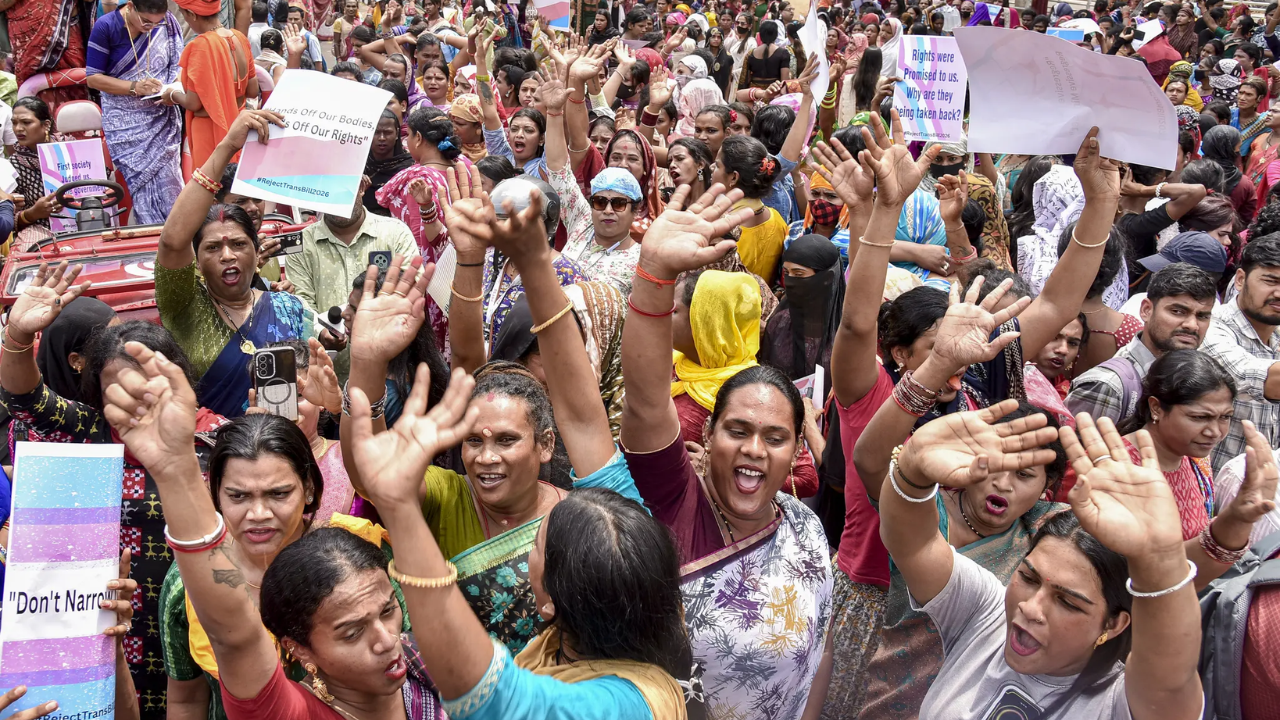
The reaction to the bill has been mixed. Members of the opposition in Parliament strongly criticized the move. They argued that the bill takes away the basic human right to self-determination. They believe that no one should have to prove their identity to a government official based on cultural standards. Some activists have expressed fear that this will push many transgender people back into the shadows because they no longer fit the government's strict definition.
However, some traditional community leaders have supported the move. They feel that the broad definition used previously allowed people who did not share their history or struggles to take advantage of benefits meant for them. They see this as a way to protect their unique cultural identity and ensure that resources go to those who need them most.
What This Means Going Forward
Now that the bill has passed the Lok Sabha, it will move to the next stages of the legislative process. If it becomes a full law, the government will need to set up new offices and train officials on how to apply the new definitions. There is a high chance that the law will be challenged in the Supreme Court. Lawyers may argue that it goes against the 2014 ruling that protected self-identity.
For the average citizen, this means the rules for identity cards and government support will change soon. It also means that the legal system will have more specific tools to punish those who commit crimes against the transgender community. The long-term effect on social inclusion remains to be seen, as the community is now divided on whether this law helps or hurts their cause.
Final Take
The passage of this bill shows a clear shift in government policy toward a more traditional and structured view of gender identity. While it promises better protection through stricter punishments, it removes the freedom of self-identity that many fought for years to achieve. The balance between protecting specific cultural groups and respecting individual rights will likely remain a major point of conflict in the coming years.
Frequently Asked Questions
What is the main change in the 2026 Transgender Bill?
The main change is that the law no longer recognizes "self-perceived identity." It now defines transgender individuals based on their membership in specific social and cultural groups.
Why did the government change the definition?
The government claims the change will help them focus resources and protections on the most vulnerable groups who face extreme discrimination, rather than having a definition that is too broad.
What are graded punishments?
Graded punishments are legal penalties that vary in severity. Under this bill, the punishment for a crime against a transgender person depends on the specific type and seriousness of the harm caused.



