
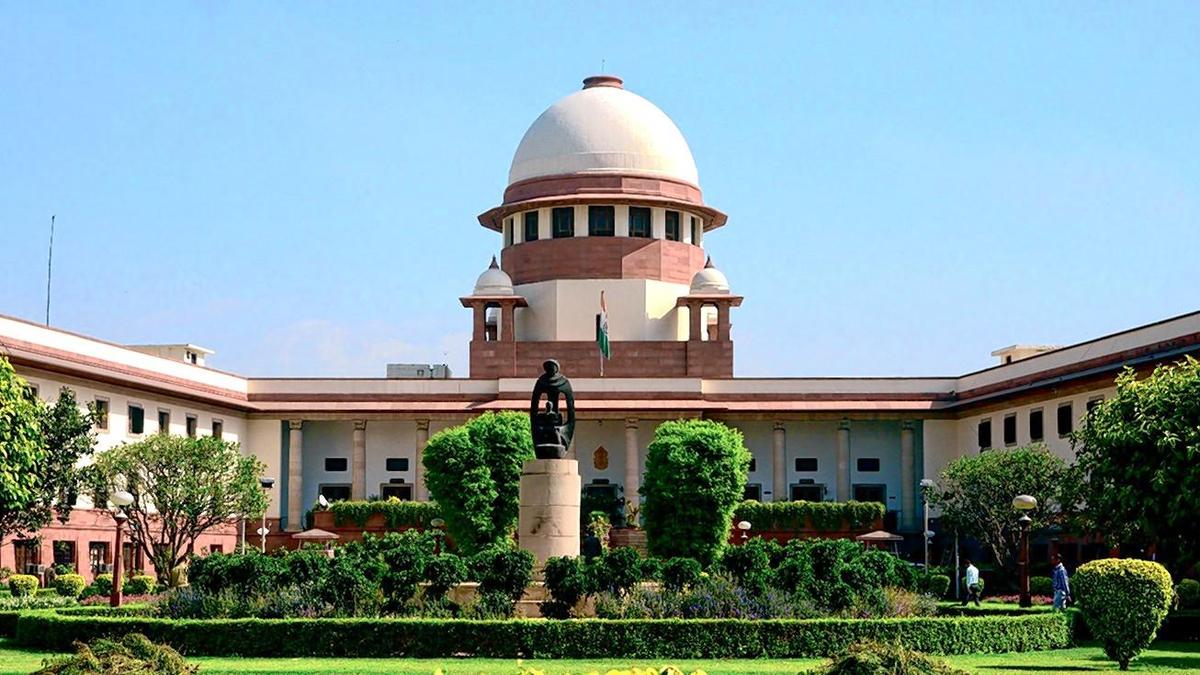
Summary
A student at the Tamil Nadu National Law University (TNNLU) has made headlines by refusing to remove a blog post that was critical of the Supreme Court. The student’s decision to stand by their writing has sparked a significant conversation about free speech within legal education. This move has gained widespread support from the university community, including current students and former graduates. The situation highlights the tension between academic freedom and the traditional respect expected toward the highest levels of the judiciary.
Main Impact
The primary impact of this event is the visible shift in how law students view their role in society. By refusing to take down the critical post, the student has challenged the idea that the judiciary is above public or academic critique. This act of defiance has united various groups within the university, creating a strong front against any potential pressure to silence student voices. It also sets a precedent for other law students across the country who may feel hesitant to share their honest views on legal rulings and court behavior.
Key Details
What Happened
The controversy began when a student at TNNLU published an article on a blog. In this piece, the student analyzed and criticized certain actions or decisions made by the Supreme Court. Shortly after the post went live, there were requests or pressures for the student to delete the content. Instead of complying, the student chose to keep the article online, arguing that as a law student, it is their duty to analyze the law and the institutions that uphold it. This refusal quickly became a point of discussion across the campus and on social media.
Important Numbers and Facts
The support for the student has been formal and organized. Specifically, the alumni batch of 2020-2025 issued a public statement of solidarity. This group represents hundreds of former students who are now entering the legal profession. Their support is crucial because it shows that the sentiment is shared by those who have already moved beyond the classroom. While the specific number of students involved in the initial protest is not fixed, the collective voice of the current student body and the recent alumni batch suggests a broad consensus at the university.
Background and Context
In India, law schools are often seen as the training grounds for the next generation of judges and lawyers. Because of this, there is often an unwritten rule that students should remain respectful of the judiciary to protect their future careers. However, the relationship between the public and the Supreme Court has been changing. More people are now using digital platforms to discuss how the law is applied. In this environment, law students find themselves in a difficult position. They are taught to think critically in class, but they often face risks when they apply that critical thinking to real-world court decisions.
TNNLU is a respected institution, and like many national law schools, it prides itself on academic excellence. When a student speaks out, it can sometimes create a conflict between the university's need to maintain a good relationship with the courts and the student's right to express an opinion. This case is a clear example of that conflict coming to the surface in a very public way.
Public or Industry Reaction
The reaction from the TNNLU community has been one of overwhelming support. Current students have praised the individual for their courage and for not backing down under pressure. They argue that the university should be a safe space for debate and that criticizing a court decision is a healthy part of a democracy. The statement from the 2020-2025 alumni batch was particularly strong. It emphasized that the legal profession needs people who are willing to speak the truth and hold powerful institutions accountable.
Outside of the university, legal experts and social media users have also weighed in. Many believe that this is a test of how much freedom of speech is actually allowed in professional education. While some might worry that such criticism could hurt the reputation of the court, the majority of the feedback suggests that a strong legal system should be able to handle and even benefit from honest critique.
What This Means Going Forward
Looking ahead, this situation could lead to changes in how law schools handle student publications and blogs. Universities may need to create clearer policies that protect students from being forced to delete their work. For the student involved, the path forward may involve some challenges, especially regarding future job placements or internships in the legal field. However, the strong support from alumni might help mitigate these risks by showing that the professional community values independent thought.
There is also the possibility that this event will encourage more students to start their own blogs or platforms for legal analysis. If more students feel empowered to speak up, it could lead to a more transparent and debated legal culture in India. The long-term effect will depend on whether the university administration chooses to support the student's right to speak or if they try to implement stricter rules on student expression.
Final Take
The refusal to take down the blog post is more than just a disagreement over a single article; it is a stand for the principle of free expression. Law students are trained to find flaws in arguments and to seek justice. When they are told to stay silent about the highest court in the land, it contradicts the very education they are receiving. By standing firm, this student has reminded the legal community that respect for the law does not mean staying silent about its perceived failures. The unity shown by the TNNLU students and alumni proves that the desire for an open and honest legal dialogue is stronger than the fear of controversy.
Frequently Asked Questions
Why did the student refuse to delete the blog post?
The student believed that as a law student, they have a responsibility to critically analyze the judiciary and that removing the post would go against the principles of free speech and academic honesty.
How did the university alumni react?
The 2020-2025 alumni batch issued a formal statement of solidarity, supporting the student’s right to express their views and praising their courage in standing by their work.
What are the potential risks for the student?
The student could face pressure from university authorities or find it difficult to secure certain positions in the legal field if their criticism is seen as disrespectful to the judiciary. However, the support from peers and alumni provides a significant safety net.



