Summary
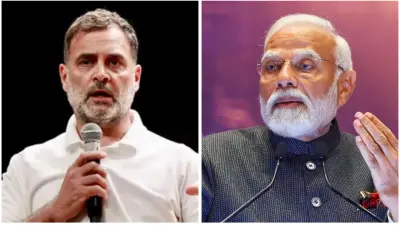
The Trinamool Congress (TMC) has launched a sharp verbal attack on Prime Minister Narendra Modi, accusing him of neglecting his duties in Parliament. The opposition party claims that the Prime Minister is choosing to campaign in states where elections are about to happen instead of participating in important legislative debates. By focusing on political rallies over government business, the TMC argues that he is behaving more like a campaign manager than the leader of the nation.
Main Impact
This criticism brings attention to a long-standing debate about how much time a Prime Minister should spend on party politics versus official governance. The TMC’s comments suggest that the government is avoiding accountability by not having its top leader present during crucial discussions in the House. This move could further widen the gap between the ruling party and the opposition, making it harder for Parliament to function smoothly during the current session.
Key Details
What Happened
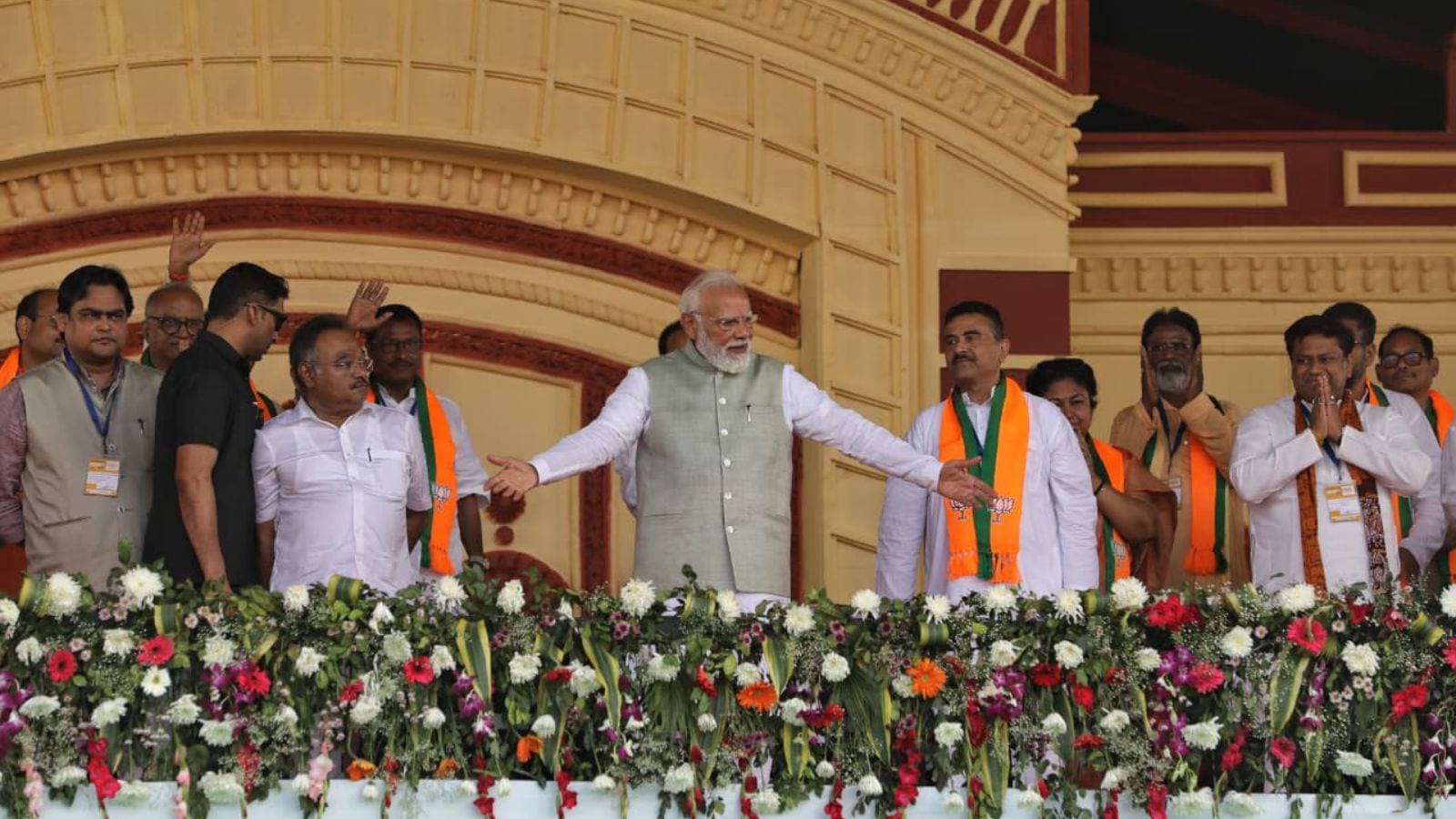
The controversy started when TMC leaders noticed the Prime Minister’s absence during several key sessions in Parliament. While the opposition wanted to discuss national issues and ask questions, the Prime Minister was seen traveling to states that are preparing for upcoming elections. The TMC used the term "prachar mantri," which means "publicity minister," to describe him. They believe his priority has shifted from running the country to winning votes for his party, the BJP.
Important Numbers and Facts
Opposition members have often tracked the attendance of the Prime Minister during major debates. In recent years, critics have pointed out that the Prime Minister rarely participates in the "Question Hour," a time when members of Parliament can ask ministers direct questions. The TMC highlighted that while several important bills were being discussed, the PM was busy addressing large crowds in poll-bound regions. This has led to claims that the executive branch is showing less respect for the legislative process.
Background and Context
In a democracy, Parliament is the place where the government must explain its actions to the people's representatives. The Prime Minister is the head of the government and is expected to lead these discussions. However, India has a very busy election cycle, with different states going to the polls almost every year. This often creates a conflict for top leaders who are also the main faces of their political parties. The BJP relies heavily on the Prime Minister’s popularity to win state elections, which often takes him away from the capital during session periods.
Public or Industry Reaction
The reaction to the TMC’s statement has been split along party lines. Other opposition parties, such as the Congress and the Left, have supported the TMC’s view. They argue that the Prime Minister’s absence makes the debates feel less significant. On the other hand, supporters of the BJP defend the Prime Minister. They say he is a hard-working leader who balances his duties perfectly. They argue that meeting people in different states is also a part of a leader's job and that he stays informed about Parliament even when he is not physically there.
What This Means Going Forward
This tension is likely to lead to more disruptions in Parliament. If the opposition feels ignored, they may resort to protests or walkouts, which stops the government from passing laws. In the long run, this could change how the public views the role of the Prime Minister. If the "prachar mantri" label sticks, it might hurt the government's image among voters who want to see more focus on policy and less on constant campaigning. As more states head to elections, the balance between being a party leader and a national leader will remain a major talking point.
Final Take
The strength of a democracy depends on the accountability of its leaders. While winning elections is necessary for any political party, the work of governing must remain the top priority. The current clash between the TMC and the Prime Minister highlights the need for a clear balance. For Parliament to be effective, the presence and participation of the nation's highest leaders are essential to ensure that the concerns of the people are addressed directly.
Frequently Asked Questions
What does "prachar mantri" mean?
The term "prachar mantri" translates to "publicity minister" or "campaign minister." The TMC used this term to suggest that the Prime Minister is focusing more on advertising and campaigning than on his official duties.
Why is the TMC criticizing the Prime Minister?
The TMC is unhappy because the Prime Minister has been absent from important debates in Parliament. They claim he is spending too much time visiting states that have upcoming elections instead of answering questions in the House.
Is the Prime Minister required to attend every Parliament session?
While there is no legal rule that says a Prime Minister must be present every single day, it is a long-standing tradition for the leader of the country to participate in major debates and be available for important votes and discussions.