Summary
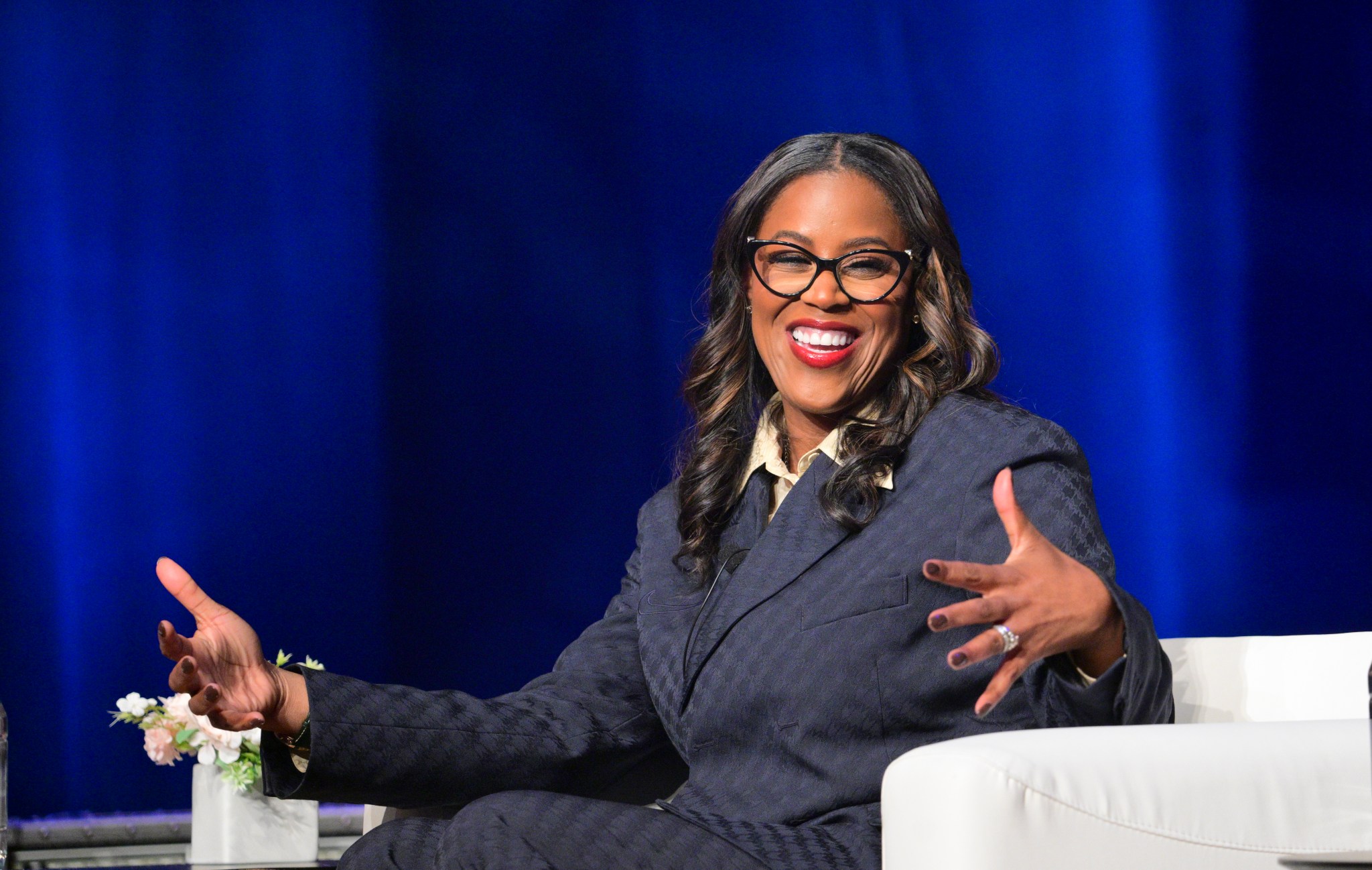
TIAA CEO Thasunda Duckett says executives should not let their job title become the center of who they are. She believes leaders should focus on personal qualities like curiosity and grit, which last long after a role ends. Duckett’s advice comes as many executives struggle to separate their identity from their position. She urges leaders to prepare for the day they no longer hold the title.
Main Impact
Duckett’s message challenges the common idea that a job title defines success. She argues that renting a title means it is temporary, while owning your character means keeping values that no one can take away. This approach helps leaders stay grounded and ready for change, even while in a top role. It also offers a new way to think about career growth and personal identity.
Key Details
What Happened
In a recent interview with Fortune editor-in-chief Alyson Shontell, Duckett shared her thoughts on identity and leadership. She said, “I rent my title. I own my character.” She explained that qualities like intellectual curiosity, grit, perseverance, and a strong moral compass belong to her, not the board or the company.
Important Numbers and Facts
Duckett is the CEO of TIAA, a major financial services company. She made these comments during a video interview with Fortune. Former GE CEO Jeff Immelt also spoke about how quickly the privileges of a top job can disappear after leaving. Duckett’s advice is meant for executives at all levels, not just those in the corner office.
Background and Context
Corporate culture often rewards people for their job titles. Promotions are seen as signs of success. Authority gives access and influence. Over time, it becomes hard to tell where the role ends and the person begins. Many executives spend years chasing the next promotion. Duckett says they should also invest in qualities that stay with them when the promotion is gone.
This idea is not common in business. Most advice focuses on how to get the title, not how to keep your identity after losing it. Duckett’s view is a reminder that leadership is about more than a position. It is about who you are as a person.
Public or Industry Reaction
Duckett’s comments have sparked discussion among business leaders and career experts. Many agree that separating identity from title is hard but important. Some point to Immelt’s experience as proof that the privileges of a CEO role can fade fast. Others say Duckett’s advice is useful for anyone in a high-pressure job, not just top executives.
The reaction shows that many people struggle with this issue. It also highlights a gap in leadership training, which often focuses on skills and strategy but not on personal identity.
What This Means Going Forward
Duckett’s advice could change how executives prepare for their careers. Instead of only planning for the next promotion, leaders might also think about life after the title. This includes building a strong sense of self that does not depend on a job. It also means preparing for transitions, whether they are planned or sudden.
For companies, this idea could lead to better support for leaders during career changes. It might also encourage more honest conversations about the challenges of high-level roles. Duckett’s message is clear: the title is temporary, but your character lasts.
Final Take
Thasunda Duckett offers a simple but powerful lesson for leaders at every level. Your job title is something you borrow. Your character is something you own. By focusing on personal qualities that no one can take away, you can navigate any career change with confidence. This advice is not just for CEOs. It is for anyone who wants to stay true to themselves, no matter what role they hold.
Frequently Asked Questions
What does it mean to rent your title?
Renting your title means understanding that your job role is temporary. You do not own it forever. One day, you will leave the position. Your character, on the other hand, is yours to keep no matter what job you have.
Why is it important to separate identity from job title?
Separating identity from job title helps you stay grounded. It prevents you from feeling lost or empty when you leave a role. It also helps you make better decisions because you are not driven by the need to keep the title.
How can leaders build an identity outside their job?
Leaders can build identity by focusing on personal values, hobbies, and relationships that are not tied to work. They can also practice self-reflection and seek feedback from people who know them outside the office. Duckett suggests investing in qualities like curiosity and perseverance, which last beyond any job.