Summary
The conflict between the United States and Iran has escalated again, forcing business leaders to rethink their plans. Over the weekend, airstrikes between the two countries pushed oil prices higher and raised new worries about inflation. CEOs now face a mix of rising energy costs, angry consumers, and new security threats. This comes at a time when companies were already dealing with tariffs and supply chain problems.
Main Impact
The biggest effect of the renewed U.S.–Iran war is on energy prices. Global oil demand has been falling, mainly because of slower growth in China and other Asian countries. But U.S. demand for oil is still strong, even though gas prices are already about 50% higher than they were before the conflict started. With nearly 1 billion barrels of global petroleum reserves already used up, and the peace deal between the U.S. and Iran now canceled, energy analysts expect oil prices to settle near $90 per barrel. In a worst-case scenario, prices could jump as high as $200 per barrel. This puts immediate pressure on companies that depend on fuel for transportation, manufacturing, and heating.
Key Details
What Happened
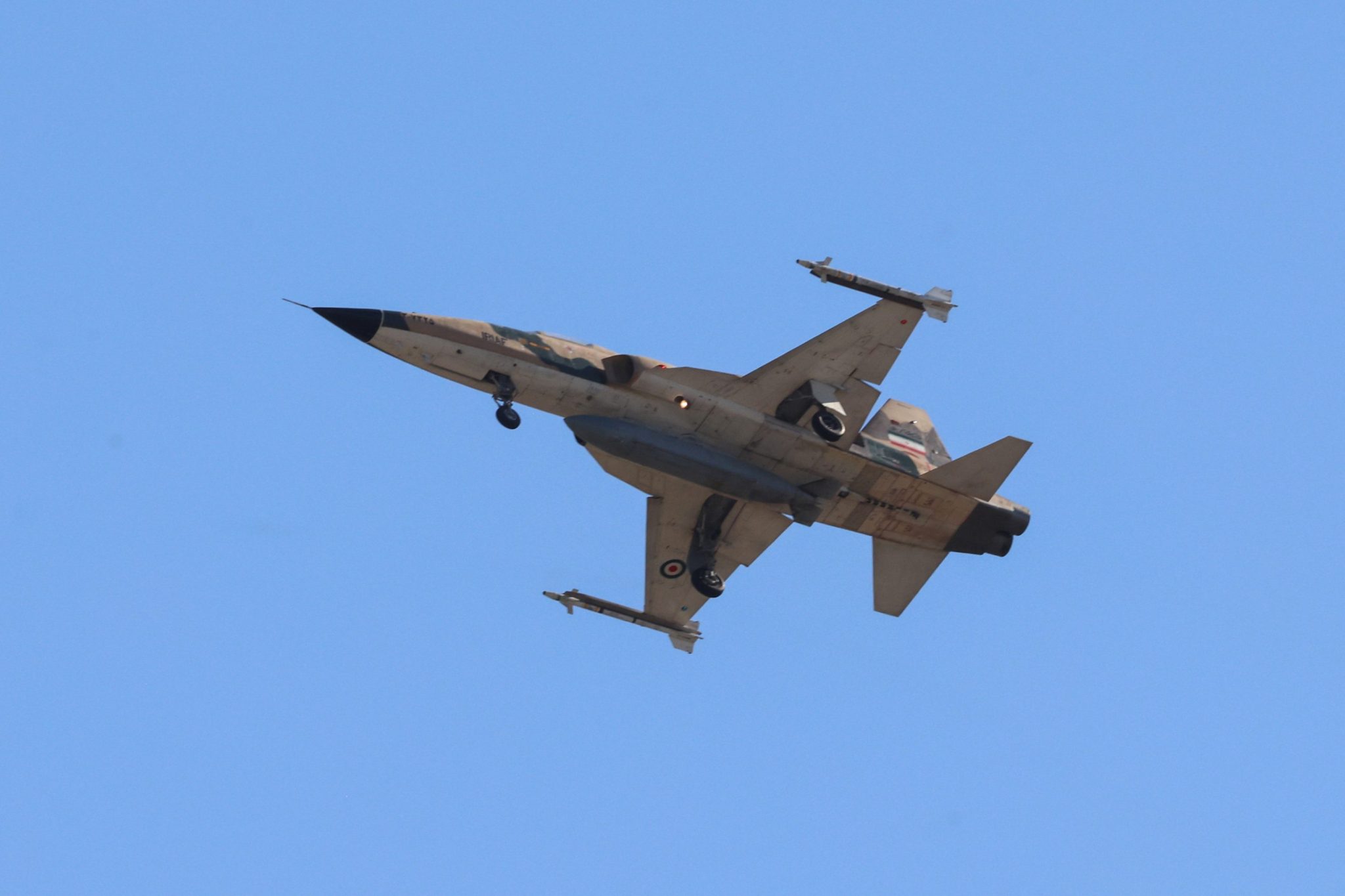
The U.S. and Iran exchanged airstrikes over the weekend, marking a major escalation in their long-running conflict. President Trump declared that the peace deal with Iran is over. Some shipping routes in the Strait of Hormuz, a critical waterway for global oil shipments, remain open. But few ships are likely to use them right now because of the danger. This has already caused crude oil prices to spike.
Important Numbers and Facts
Global oil demand is down, but U.S. consumption is up. Gas prices at the pump are about 50% higher than before the Iran war. Nearly 1 billion barrels of global petroleum reserves have been depleted. Energy analysts predict oil prices will settle around $90 per barrel, with a possible rise to $200. Last year, 51 U.S. electric and gas utility companies paid their CEOs a total of $626 million, which is $100 million more than in 2024. U.S. home prices have hit an all-time high, even as prices on the West Coast have fallen.
Background and Context
The U.S.–Iran conflict has been a source of instability for years. But the latest escalation comes at a difficult time for business leaders. They were already struggling to adjust their supply chains and sourcing strategies because of tariffs and retaliatory trade policies. Now, the war adds another layer of uncertainty. Higher energy prices can lead to higher costs for almost everything, from raw materials to shipping. This makes it harder for companies to keep prices low for customers. The Federal Reserve is also unhappy with the trend, because rising prices make it harder to control inflation.
Public or Industry Reaction
Consumers are already feeling the pain at the pump, and they are starting to look more closely at who is profiting. Americans often connect what they pay for gas with broader energy costs, including electricity and natural gas. The high energy consumption of data centers is one reason why many consumers dislike AI. Last year, utility CEOs earned record pay even as electricity bills rose. This could influence public opinion and policy debates, especially in an election year. Companies are also hiking prices, hoping customers will keep buying. But with home prices at record highs and inflation still a concern, many families are feeling squeezed.
What This Means Going Forward
CEOs are now on high alert. Iran is not just threatening revenge on political leaders. The Islamic Revolutionary Guard Corps and other Iran-linked groups are targeting U.S. companies, especially in tech and critical infrastructure. Business leaders must stay updated on government warnings about cyber threats and make sure their employees are trained in cybersecurity. At the same time, they have to balance these fears without overreacting. Travel advisories to the Middle East have eased, and most of the region is returning to normal. The challenge for leaders is to manage risk without letting fear disrupt their operations. There are no easy answers to inflation right now. AI is still too expensive to replace most human workers, so cost-cutting will remain difficult.
Final Take
The U.S.–Iran war is forcing CEOs to rewrite their playbooks once again. Rising energy costs, angry consumers, and new security threats are all piling up at once. Leaders who can adapt quickly and keep their teams safe will have the best chance of weathering this storm. But with no clear end in sight, the uncertainty is likely to continue for months.
Frequently Asked Questions
How will the U.S.–Iran war affect gas prices?
The war has already pushed oil prices higher. With shipping routes in the Strait of Hormuz at risk and global reserves running low, analysts expect gas prices to stay high. Prices could settle around $90 per barrel for oil, and in a worst case, they could reach $200.
What should CEOs do to protect their companies?
CEOs should stay updated on government warnings about cyber threats from Iran-linked groups. They should also review their supply chains and energy costs. Training employees on cybersecurity is important, but leaders should avoid overreacting to travel advisories.
Why is inflation still a problem for businesses?
Inflation remains high because of multiple factors: the U.S.–Iran war, tariffs, trade policies, and rising energy costs. Companies are hiking prices, but consumers are feeling the squeeze. The Federal Reserve is also concerned, making it harder for businesses to plan for the future.