Summary
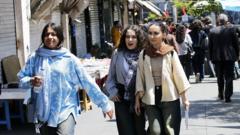
Life in Tehran currently presents a strange contrast between normal daily routines and a deep sense of fear. While the streets are filled with cars and shoppers, the people of Iran are facing a massive economic crisis and the growing threat of a regional war. High prices and a weak currency have made it difficult for families to afford basic goods. At the same time, recent military tensions have left many wondering if their city will soon become a target in a larger conflict.
Main Impact
The biggest impact on the people of Tehran is the feeling of being trapped between two major problems: a failing economy and the risk of military strikes. For years, international sanctions have made it hard for the country to trade with the rest of the world. This has caused the value of the local money, the rial, to drop significantly. Now, added to this financial pain is the very real possibility of a direct war with regional rivals. This double pressure is changing how people spend their money, how they plan for the future, and how they view their daily safety.
Key Details
What Happened
Reports from the ground in Tehran show that the city looks active, but the mood is heavy with worry. Shopkeepers report that while many people walk past their windows, very few are actually buying anything. The cost of food, clothing, and housing has risen so fast that most workers cannot keep up. Beyond the money issues, the government has been on high alert due to rising tensions in the Middle East. People are constantly checking the news to see if a new round of missiles or drone strikes will occur, making it impossible to feel truly at peace.
Important Numbers and Facts
The economic situation in Iran is reflected in several key areas. Inflation has stayed at very high levels, often moving above 40 percent for essential items. This means that a bag of groceries that cost a certain amount last year might cost nearly double today. The Iranian rial has hit record lows against the US dollar, making imported goods and travel impossible for the average person. Additionally, the memory of the eight-year war with Iraq in the 1980s still stays with older generations, who fear that the current generation might have to experience similar hardships if diplomacy fails.
Background and Context
To understand why things are so difficult in Tehran, it is important to look at the history of sanctions. For decades, other countries have limited Iran’s ability to sell oil and use international banks. These rules were put in place to pressure the government over its nuclear program and its actions in the region. While the government tries to show that the country is self-sufficient, the reality for ordinary people is much harder. The recent increase in fighting between regional groups and Israel has brought the threat of war closer to home than it has been in many years. For the people of Tehran, these are not just political headlines; they are threats to their homes and families.
Public or Industry Reaction
The reaction among the public is a mix of exhaustion and survival. Many residents are trying to protect what little wealth they have by buying gold or foreign currency, as they do not trust the local rial to hold its value. In the markets, there is a sense of shared struggle. People talk openly about the high prices of meat and fruit, which have become luxury items for many. Among the younger generation, there is a feeling of lost time. Many young professionals feel they cannot get married or buy a home because the economy is so unstable. While some people support the government’s tough stance, many others simply want a return to a normal life where they do not have to worry about the price of bread or the sound of sirens.
What This Means Going Forward
The future of life in Tehran depends on two main things: international talks and regional stability. If there is no move toward a new agreement to lift sanctions, the economy will likely continue to get worse. This could lead to more protests or social unrest as people reach their breaking point. On the military side, the risk of a mistake leading to a full-scale war remains high. If a larger conflict breaks out, the economic problems will become even more severe as resources are moved to the military. The next few months will be critical in seeing if leaders can find a way to lower the tension and provide some relief to the millions of people living under this shadow.
Final Take
Tehran is a city that has learned to survive through many years of hardship, but the current combination of poverty and the threat of war is testing people like never before. The busy streets may look like business as usual, but they hide a population that is tired of living in a constant state of emergency. For the average person in Iran, the hope is not for grand political victories, but for a stable economy and a sky free from the threat of conflict. The resilience of the people is strong, but it is being pushed to its absolute limit.
Frequently Asked Questions
Why is the economy in Iran so bad right now?
The economy is struggling because of long-term international sanctions that prevent Iran from trading easily. This has led to high inflation and a very weak local currency, making everyday items very expensive.
Is there a real danger of war in Tehran?
While there is no active fighting inside the city, tensions between Iran and its regional rivals have increased. This has led to fears that military strikes could happen, causing a lot of stress for the residents.
How are people in Tehran coping with these problems?
Many people are focusing on survival by cutting back on spending and trying to save money in gold. There is a general feeling of uncertainty, but people continue to go to work and school despite the difficult conditions.