
Summary
As the 2026 Tamil Nadu Assembly elections approach, Scheduled Tribe (ST) communities in the delta region are calling for urgent help to escape deep poverty. These families hope that the next government will fix long-standing issues regarding identity documents and financial aid. Currently, many tribal families are unable to access government welfare because they do not have the required identity proofs. This situation has left them stuck in a cycle of debt and poor living conditions.
Main Impact
The primary issue facing these communities is the denial of government funds. The Tamil Nadu Adi Dravidar Housing and Development Corporation, known as TAHDCO, is responsible for giving loans and grants to marginalized groups. However, activists say that TAHDCO is holding back money from ST families in the delta region. Without this financial support, these families cannot build proper homes, start small businesses, or pay for higher education for their children. This lack of support is making the wealth gap wider in the state.
Key Details
What Happened
For several years, tribal groups in districts like Thanjavur, Tiruvarur, and Nagapattinam have struggled to get official community certificates. These certificates are the most important documents needed to prove a person belongs to a Scheduled Tribe. Without them, the government does not recognize their status. Activists working on the ground report that even when funds are available for tribal welfare, officials refuse to release them because the applicants cannot produce "accepted identity proof." This has created a wall between the government's money and the people who need it most.
Important Numbers and Facts
The 2026 elections are seen as a vital moment for these groups to voice their concerns. In the delta region, thousands of families belong to various tribal communities. Many of these people work as daily wage laborers in fields or do seasonal jobs. Because they often move for work, keeping official records is difficult. TAHDCO has specific budgets meant for ST welfare, but a large portion of these funds remains unused or is diverted because the paperwork requirements are too strict for the average tribal family to meet.
Background and Context
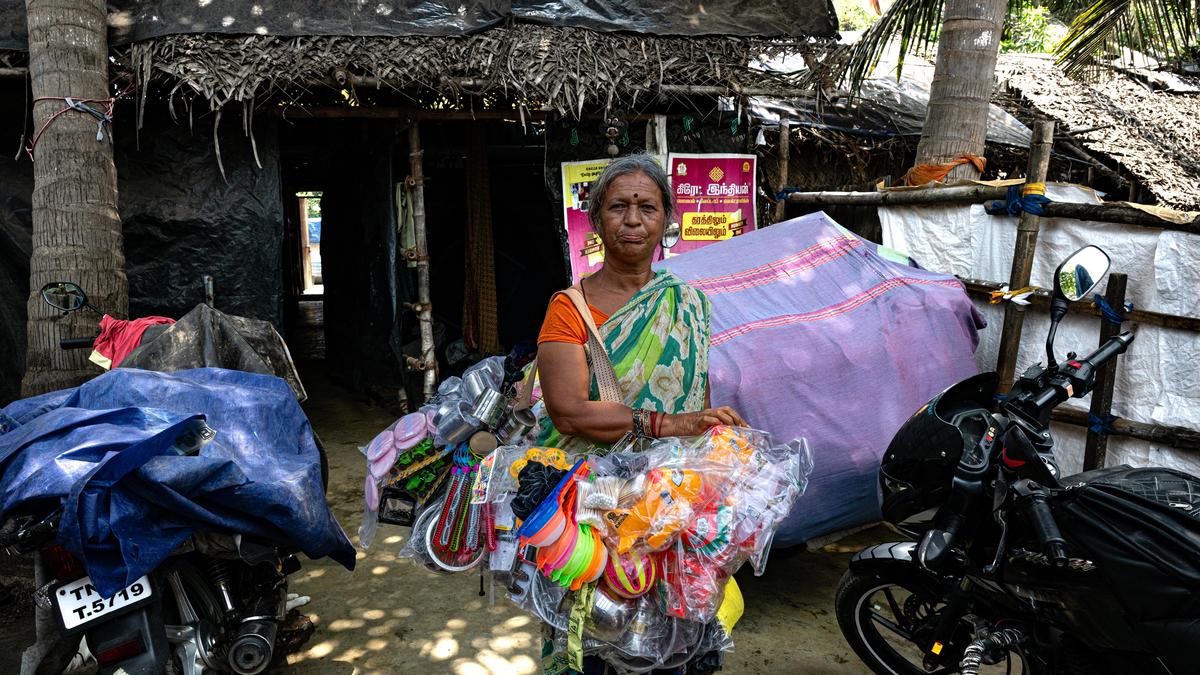
The delta region of Tamil Nadu is famous for its farming and rice production. While the region is productive, the tribal communities living there often live on the edges of society. They frequently live in temporary huts or small settlements that lack basic needs like clean water and electricity. The government created TAHDCO to help these specific groups by providing low-interest loans and housing subsidies. However, the system relies heavily on paperwork. For a person living in extreme poverty, getting a community certificate involves visiting many government offices and dealing with complex rules. Many tribal people find this process so hard that they simply give up, leaving them without any state protection.
Public or Industry Reaction
Social workers and tribal rights activists are becoming more vocal as the election draws near. They argue that the government should simplify the process for getting identity proofs. Instead of asking for old family records that many tribal people do not have, activists suggest that officials should conduct field visits to verify their status. There is a growing feeling of frustration among the youth in these communities. They see other groups receiving help while they remain stuck because of a missing piece of paper. Political experts believe that if a party promises a simpler way to get these certificates, they could win a lot of support from these neglected voters.
What This Means Going Forward
The 2026 election will likely see tribal rights become a bigger talking point in the delta region. If the next government does not change how TAHDCO operates, the poverty levels in these communities will continue to rise. There is a need for "special camps" where officials can issue identity cards and process loan applications all in one place. If the government continues to demand impossible paperwork, these families will remain invisible to the law. The next few years will show whether the state is willing to change its rules to help its most vulnerable citizens or if the cycle of poverty will continue for another generation.
Final Take
True progress in Tamil Nadu cannot happen if thousands of people are left behind because of bureaucratic hurdles. The struggle of the ST communities in the delta region shows that having a welfare program is not enough if the people cannot access it. As the state prepares for a new government in 2026, the focus must shift from just making promises to fixing the broken system of identity verification. Only then can these families find the redemption from poverty they have been seeking for decades.
Frequently Asked Questions
Why are ST families in the delta region not getting government help?
Most families lack the official community certificates required by the government. Without these papers, agencies like TAHDCO cannot release funds for housing or business loans.
What is TAHDCO and what does it do?
TAHDCO is a state-run corporation in Tamil Nadu that provides financial assistance, loans, and housing help to Scheduled Castes and Scheduled Tribes to help them improve their living standards.
How could the 2026 election change things for these communities?
The election gives these groups a chance to demand policy changes. They are hoping for a government that will make it easier to get identity documents and ensure that welfare money actually reaches the poor.



