
Summary
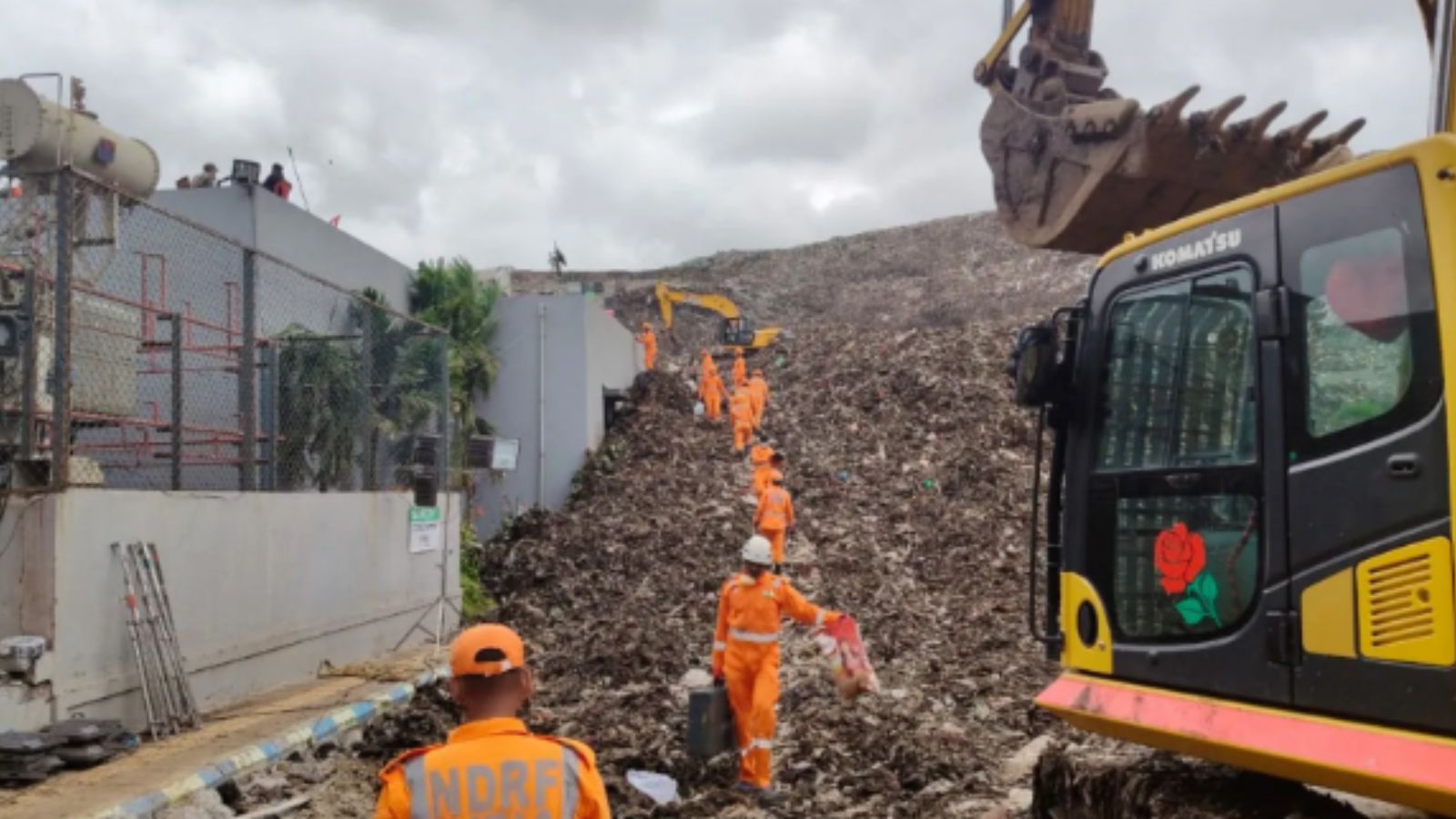
Following a deadly building collapse in Pune, the Brihanmumbai Municipal Corporation (BMC) has ordered a full safety audit of all landfill sites in Mumbai. The decision comes after concerns that garbage mounds at these sites could become unstable and pose a risk to nearby buildings and residents. The audit will check the structural safety of waste heaps and surrounding areas to prevent similar disasters.
Main Impact
The BMC’s order directly affects all active and closed landfill sites across Mumbai, including the massive Deonar dumping ground. The safety audit aims to identify any weak spots or risks that could lead to a collapse of garbage mounds. This move is a direct response to the Pune tragedy, where a building fell after the ground beneath it gave way, likely due to unstable landfill conditions. For Mumbai residents living near these sites, the audit brings hope for better safety measures and reduced risk of accidents.
Key Details
What Happened
On July 13, 2026, a building in Pune collapsed after the landfill it was built on shifted. Several people were injured, and the incident raised serious questions about the safety of construction near garbage dumps. In response, the BMC announced on July 14 that it would conduct a thorough safety audit of all landfill sites in Mumbai. The audit will be carried out by a team of engineers and safety experts.
Important Numbers and Facts
Mumbai has three major landfill sites: Deonar, Kanjurmarg, and Mulund. The Deonar site alone covers over 130 hectares and has been in use for decades. The audit will check the height and slope of garbage mounds, the stability of the ground, and the condition of nearby buildings. The BMC has set a deadline of 30 days to complete the audit and submit a report. Officials have not yet said what actions will be taken if risks are found.
Background and Context
Landfills in big cities like Mumbai are often built on low-lying land or marshes. Over time, layers of garbage pile up, creating large mounds. These mounds can become unstable, especially during heavy rain, which is common in Mumbai. When buildings are constructed too close to these sites, the ground can shift or sink, leading to structural damage. The Pune incident is not the first of its kind. Similar accidents have happened in other Indian cities, highlighting a need for stricter safety rules near landfills.
Public or Industry Reaction
Residents living near Mumbai’s landfills have welcomed the BMC’s decision. Many have long complained about the smell, pests, and the risk of landslides. Local community groups say they hope the audit will lead to real changes, not just a report that sits on a shelf. Environmental activists have also praised the move but stressed that long-term solutions, like reducing waste and better landfill management, are needed. Some experts have pointed out that audits alone are not enough and that regular monitoring should become a routine practice.
What This Means Going Forward
The safety audit is a first step, but its real value will depend on what happens next. If the audit finds serious risks, the BMC may have to relocate families living near landfills or reinforce the ground. This could be expensive and time-consuming. The audit may also lead to stricter rules for new construction near waste sites. For now, the focus is on preventing another disaster like the one in Pune. The BMC has said it will share the audit results with the public, which is a positive move for transparency.
Final Take
The Pune building collapse has forced Mumbai to take a hard look at the safety of its landfills. While the audit is a necessary step, it must be followed by concrete action. Without regular checks and better waste management, the risk of future accidents will remain. For the thousands of people living near these sites, safety cannot wait.
Frequently Asked Questions
Why did the BMC order a safety audit of landfills?
The BMC ordered the audit after a building collapse in Pune, which was linked to unstable ground near a landfill. The goal is to check if similar risks exist in Mumbai and prevent future accidents.
Which landfill sites will be checked in Mumbai?
The audit will cover all major landfill sites in Mumbai, including Deonar, Kanjurmarg, and Mulund. Both active and closed sites will be inspected.
What happens if the audit finds safety risks?
If risks are found, the BMC may take steps like reinforcing the ground, restricting construction near the site, or relocating residents. The exact actions will depend on the audit report, which is due in 30 days.



