
Summary
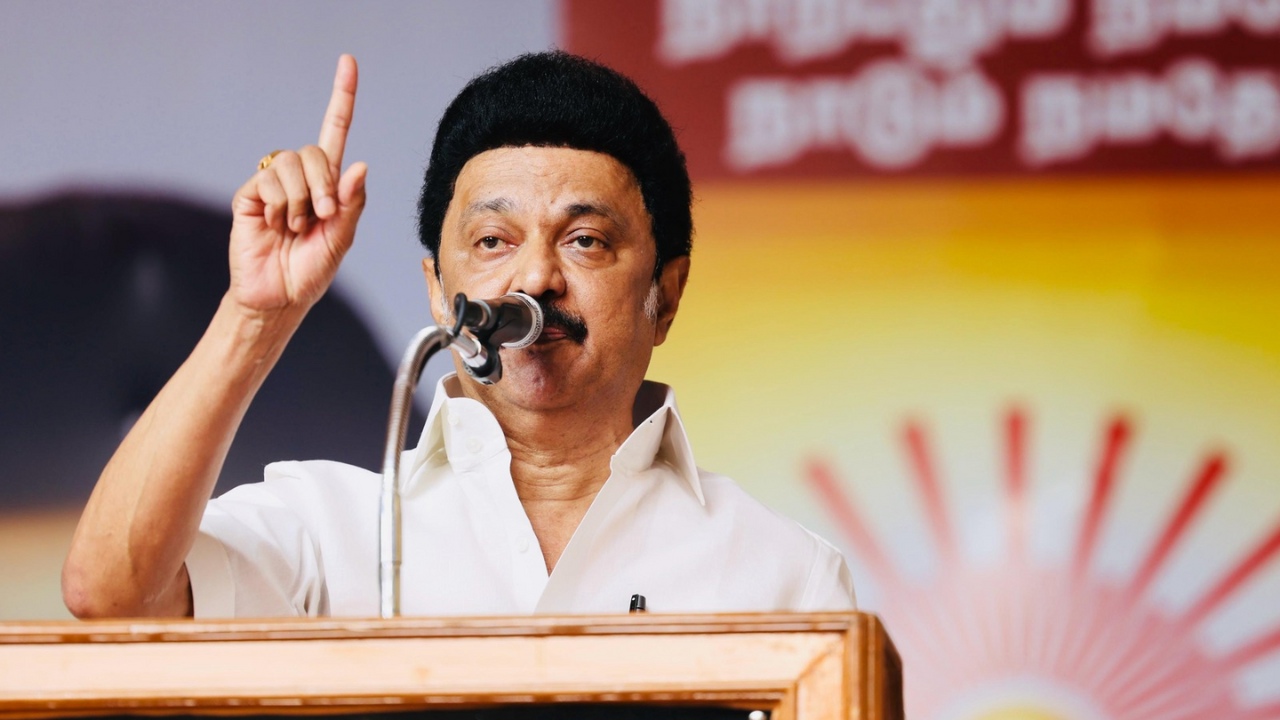
Tamil Nadu Chief Minister MK Stalin has introduced a new financial relief plan to help the food industry cope with a shortage of cooking gas. The state government is offering a subsidy of Rs 2 per unit of electricity for restaurants and eateries that switch from Liquefied Petroleum Gas (LPG) to electric stoves. This move is designed to protect small businesses from rising fuel costs and ensure that food services remain available to the public during the current supply crisis.
Main Impact
The primary impact of this decision is the immediate reduction in operating costs for thousands of food businesses across Tamil Nadu. By providing a discount on electricity, the government is making it more affordable for hotel and restaurant owners to change their cooking methods. This shift helps stabilize food prices for customers and reduces the heavy reliance on commercial gas cylinders, which have seen frequent price hikes and supply issues in recent months.
Key Details
What Happened
The Tamil Nadu government noticed that many food businesses were struggling because they could not get enough cooking gas. To solve this, Chief Minister MK Stalin announced that the state would support a transition to electric cooking. Businesses that move away from traditional gas burners and install electric induction or heavy-duty electric stoves will receive a direct discount on their power bills. This is part of a larger effort to manage the energy needs of the state more effectively.
Important Numbers and Facts
The government has set the subsidy at Rs 2 for every unit of electricity used by these businesses. To make the transition easier, the state is also offering subsidized loans. These loans are meant to help shop owners buy expensive electric cooking equipment without having to pay the full cost upfront. Additionally, the state has given permission for certain industries to use alternative fuels on a temporary basis to keep their factories running. The government is also closely watching how LPG is distributed to ensure that households and essential services get their fair share.
Background and Context
Cooking gas, or LPG, is the most common fuel used in Indian kitchens. However, the supply of this gas depends on global markets and complex transport systems. When there is a shortage, prices go up, and it becomes hard for small businesses to make a profit. Tamil Nadu is one of the most urbanized states in India, with a very high number of small hotels and street food stalls. These businesses are vital to the local economy and provide affordable meals to millions of workers. By encouraging a move to electricity, the state is trying to create a more stable system that does not rely entirely on imported gas.
Public or Industry Reaction
Many restaurant owners have welcomed the news, noting that the cost of commercial gas cylinders has been a major burden on their finances. However, some smaller vendors have expressed concerns about the initial cost of buying new electric stoves and whether their current electrical wiring can handle the extra load. Industry experts suggest that while the subsidy is a great start, the government may also need to help businesses upgrade their electrical connections to support heavy-duty cooking equipment. Farmers have also been considered in these measures, as the government aims to ensure that the power grid remains stable for agricultural needs during this transition.
What This Means Going Forward
This policy could mark the beginning of a long-term change in how food is prepared in the state. If the switch to electric cooking is successful, it could lead to a cleaner environment with fewer carbon emissions from gas stoves. The government will likely monitor the electricity usage patterns to ensure the power grid can handle the increased demand. In the coming months, we may see more businesses taking advantage of the subsidized loans to modernize their kitchens. This move also sets a pattern that other states might follow if they face similar fuel supply problems.
Final Take
The decision to provide an electricity subsidy is a practical solution to a difficult energy problem. It shows that the state government is willing to use financial tools to help small businesses adapt to changing market conditions. By making electricity cheaper than gas for cooking, Tamil Nadu is not only solving a short-term supply crisis but also pushing the food industry toward a more modern and potentially more sustainable future. The success of this plan will depend on how quickly businesses can make the switch and how well the state manages its overall power supply.
Frequently Asked Questions
Who can apply for the Rs 2 per unit power subsidy?
The subsidy is available for restaurants, eateries, and other food-related businesses in Tamil Nadu that officially switch from using LPG stoves to electric cooking equipment.
How does the government help with the cost of new equipment?
The state government is providing subsidized loans to help business owners purchase electric stoves and other necessary machinery, reducing the initial financial burden of switching fuels.
Why is the state encouraging a switch away from LPG?
The move is a response to a cooking gas supply crisis and rising fuel costs. Electricity is seen as a more stable and manageable alternative to help businesses keep their costs low and stay in operation.



