
Summary
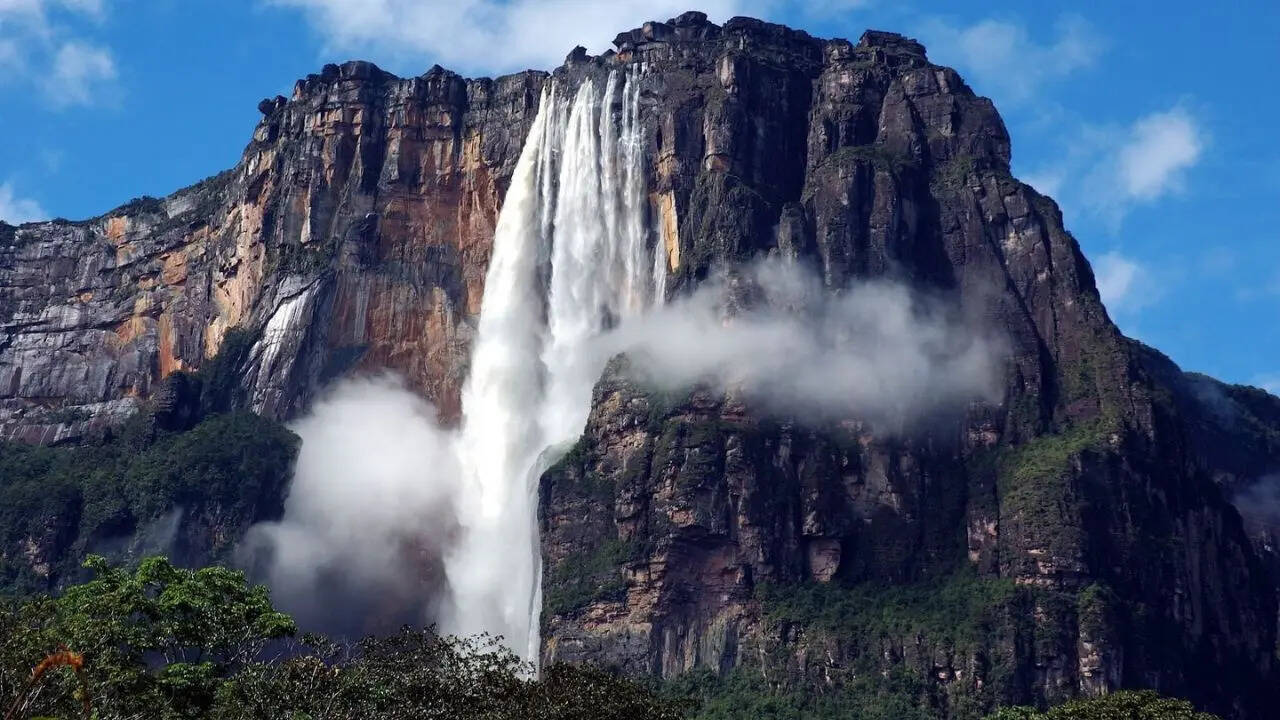
The world is home to many natural wonders, but few are as impressive as the tallest waterfalls. These massive flows of water drop from incredible heights, often hidden deep within remote forests or on steep mountain cliffs. From the famous Angel Falls in South America to the coastal drops of Hawaii, these landmarks show the amazing power of nature. Understanding where these waterfalls are and how they formed helps us appreciate the diversity of our planet.
Main Impact
These giant waterfalls play a major role in their local environments and economies. They attract thousands of tourists every year, which helps provide jobs and money for nearby communities. Beyond tourism, these sites are often part of protected national parks. They provide a home for unique plants and animals that can only live in high-moisture areas. Protecting these waterfalls is important for keeping the earth's water systems healthy and ensuring that people can enjoy these sights for a long time.
Key Details
What Happened
Geologists and explorers have spent years measuring the height of waterfalls to find the tallest ones. While some measurements are still debated, a clear list of the top ten has been established. These waterfalls are spread across different continents, including South America, Africa, Europe, and North America. Most of them are found in areas with high rainfall or near large glaciers that melt and feed the rivers above the cliffs.
Important Numbers and Facts
The following list highlights the ten tallest waterfalls currently recognized by experts around the world:
- Angel Falls (Venezuela): This is the tallest waterfall in the world. It has a total height of 979 meters. The water falls from a flat-top mountain called Auyán-tepui.
- Tugela Falls (South Africa): Located in the Drakensberg Mountains, this fall drops 948 meters. It consists of five distinct leaps.
- Tres Hermanas Falls (Peru): This waterfall is 914 meters tall. Its name means "Three Sisters," referring to the three different sections of the fall.
- Olo’upena Falls (United States): Found on the island of Molokai in Hawaii, this fall drops 900 meters down some of the highest seaside cliffs in the world.
- Yumbilla Falls (Peru): This fall is 896 meters high. It became more famous recently after researchers officially measured its full height.
- Vinnufossen (Norway): This is the tallest waterfall in Europe, standing at 860 meters. It is fed by a large glacier.
- Pu’uka’oku Falls (United States): Another Hawaiian giant, this fall is 840 meters tall and is located on the same cliffs as Olo’upena.
- James Bruce Falls (Canada): Located in British Columbia, this fall is 840 meters high. It is the tallest waterfall in North America.
- Browne Falls (New Zealand): This fall drops 836 meters into a fjord called Doubtful Sound. It starts from a mountain lake.
- Ramnefjellsfossen (Norway): Also known as Utigardsfossen, this fall is 818 meters tall and is known for its beautiful surroundings.
Background and Context
Measuring a waterfall is not as easy as it sounds. Scientists have to decide if they are measuring the longest single drop or the total height of all the drops combined. Many of the tallest waterfalls, like Tugela Falls, have several steps. Others, like Angel Falls, have one very long drop. The height can also change depending on the season. During dry months, some of these waterfalls might turn into a small mist, while in the rainy season, they become powerful and loud.
Public or Industry Reaction
Travelers and nature lovers often put these waterfalls on their "must-see" lists. However, environmental groups are concerned about the future of these sites. They point out that rising temperatures can melt the glaciers that feed waterfalls in Norway and Canada. In South America, changes in rain patterns can cause waterfalls to dry up for parts of the year. Governments are being asked to do more to protect the forests around these falls to keep the water flowing naturally.
What This Means Going Forward
As technology improves, we might see changes in how these waterfalls are ranked. Drones and new GPS tools allow explorers to get more accurate measurements in hard-to-reach places. This could lead to the discovery of new waterfalls or a change in the order of the current list. For travelers, it means that visiting these places might become easier as better paths and viewing areas are built. However, the main goal will remain the same: keeping these areas clean and wild so they do not lose their natural beauty.
Final Take
The tallest waterfalls in the world are a reminder of how powerful and grand nature can be. Whether they are dropping from a mountain in Venezuela or a cliff in Hawaii, they capture our attention and respect. By learning about these sites and protecting the environment, we ensure that these amazing water displays continue to flow for many years to come.
Frequently Asked Questions
Which waterfall is the tallest in the world?
Angel Falls in Venezuela is the tallest waterfall in the world, with a total height of 979 meters.
Are all of these waterfalls easy to visit?
No, many of the tallest waterfalls are in remote areas. For example, Olo’upena Falls in Hawaii is best seen from a boat or a helicopter because the cliffs are very steep.
Does the height of a waterfall ever change?
The physical height of the cliff usually stays the same, but the amount of water can change. Some waterfalls may look much smaller or even disappear during very dry weather.

