
Summary
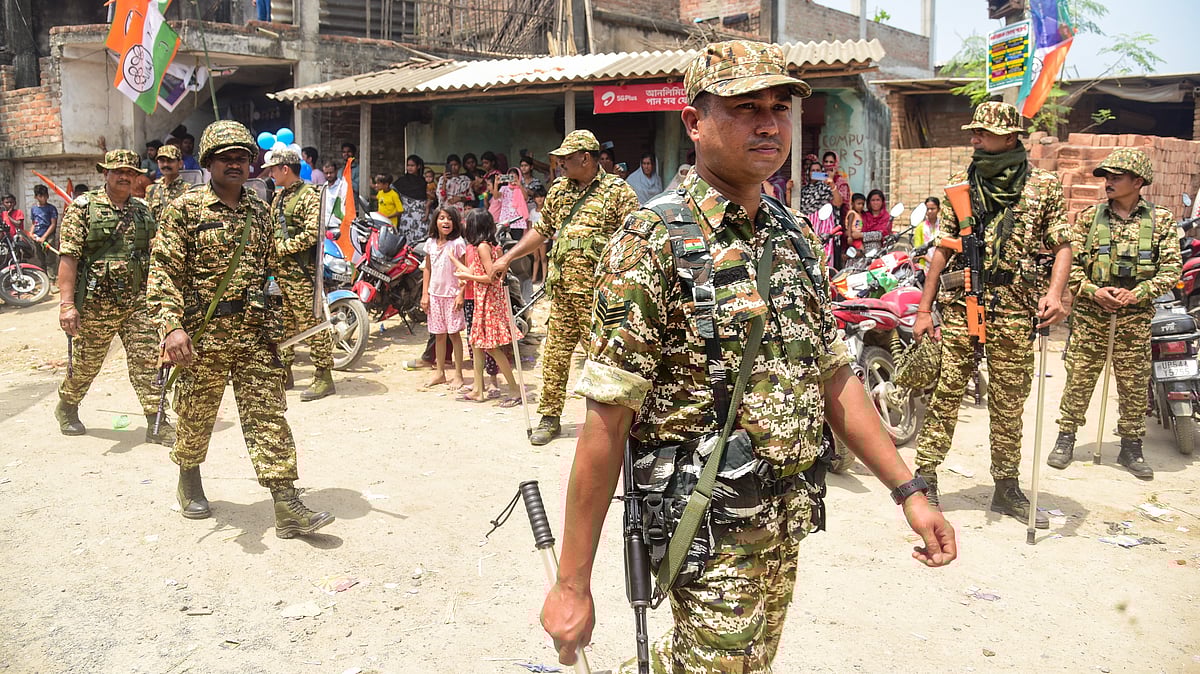
West Bengal is getting ready for the first phase of its Assembly elections on April 23, 2026. The Election Commission of India (ECI) has identified seven specific districts that will be under extra security watch. These areas have a long history of violence during voting periods over the last 15 years. To prevent any trouble, thousands of security personnel and special response teams are being sent to these locations to ensure that voters can cast their ballots safely and without fear.
Main Impact
The decision to put these seven districts under a "special scanner" changes how the election will be managed on the ground. By labeling many polling booths as "critical" or "hypersensitive," the ECI is taking a very firm stand against political intimidation. This move shifts much of the control from local police to central government forces. The goal is to create a neutral environment where no single political group can bully others. If successful, this could set a new standard for how peaceful elections are held in regions that usually struggle with safety during polls.
Key Details
What Happened
The Election Commission analyzed data from the past 15 years to find out which areas in West Bengal are most prone to election violence. Based on this study, they selected seven districts for high-level monitoring. These districts include Malda, Murshidabad, North Dinajpur, Cooch Behar, Birbhum, West Midnapore, and West Burdwan. In these places, the number of security officers will be much higher than usual. The first phase of the election will cover 152 different constituencies across 16 districts in total, but these seven are the top priority for safety officials.
Important Numbers and Facts
To keep order, the ECI has organized 2,193 Quick Response Teams (QRTs). These are mobile units that can reach a trouble spot very fast. Murshidabad will have the most protection, with 219 of these teams assigned to that district alone. Each team will be led by a high-ranking officer and will include soldiers from the Central Armed Police Forces. Additionally, every voter will have to go through two different identity checks. First, they will be checked by central soldiers, and then by a local booth officer before they are allowed to vote.
Background and Context
Elections in West Bengal have often been marked by reports of clashes between different political parties. In the past, there have been concerns about people being stopped from voting or booths being taken over by force. This is why the ECI uses historical data to plan its security. By looking at the last 15 years, they can see patterns of where trouble usually starts. This year, the stakes are high as 152 seats are being contested in the first phase. Recent reports also show that about 23 percent of the candidates running for office have criminal cases against them, which adds to the tension surrounding the event.
Public or Industry Reaction
Political parties in the state have very different views on these security measures. The Bharatiya Janata Party (BJP) and the Congress party have both said they like the idea of having more central forces. They argue that local police are sometimes too close to the ruling party and might not be fair. They believe the extra soldiers are the only way to have a truly free election. On the other side, the Trinamool Congress (TMC) has criticized the move. They claim that having so many armed soldiers everywhere might scare regular people and stop them from coming out to vote. They believe the state's own police are good enough to handle the job without outside help.
What This Means Going Forward
The success of this security plan will be tested on April 23. If the day passes without violence, it will be a major win for the Election Commission. However, the pressure is not just on the soldiers. Local police officials have been given a very serious warning. If they fail to do their jobs or show bias, it will go on their permanent work record. This could lead to them losing their jobs or having their retirement money cut. This strict rule is meant to make sure every officer stays neutral. The results of this first phase will likely influence how security is handled in the later stages of the election.
Final Take
The upcoming vote in West Bengal is a massive test of safety and fairness. By focusing on the most sensitive districts and using a double-check system for voters, the authorities are trying to eliminate the threat of violence. While the political debate over these measures continues, the main focus remains on the citizens. The real measure of success will be whether every voter feels safe enough to stand in line and make their voice heard without any pressure or fear.
Frequently Asked Questions
Which districts are under the highest security?
The seven districts under special watch are Malda, Murshidabad, North Dinajpur, Cooch Behar, Birbhum, West Midnapore, and West Burdwan.
How will voters be verified at the polling stations?
There is a two-step process. First, central security forces will check the voter's ID. After that, a booth-level officer will verify the person again before they can enter the voting area.
What are Quick Response Teams (QRTs)?
QRTs are special mobile security units made up of central soldiers and led by a police officer. They are designed to move quickly to any location where trouble or violence is reported.

