
Summary
The Supreme Court of India has decided not to stop the removal of more than 45,000 mangrove trees for a major road project in Mumbai. This decision allows the Brihanmumbai Municipal Corporation (BMC) to proceed with the Versova–Bhayandar coastal road. While environmental groups raised concerns about the loss of nature, the court ruled that the project is necessary to reduce traffic problems for the public. The court also noted that strict rules are in place to ensure new trees are planted to make up for the loss.
Main Impact
The ruling clears the way for a massive construction project that aims to change how people move through Mumbai. By allowing the removal of these mangroves, the court has prioritized urban growth and traffic relief over immediate environmental preservation. However, the impact is not just about roads; it also sets a standard for how the city must handle environmental damage. The BMC is now legally required to monitor the area for a decade and prove that they are successfully growing new mangroves elsewhere.
Key Details
What Happened
On Friday, a bench led by Chief Justice of India Surya Kant heard a challenge against a previous order from the Bombay High Court. An environmental group called Vanashakti had asked the court to stop the BMC from clearing the mangroves. They argued that the trees are vital for protecting the city. However, the Supreme Court agreed with the High Court's earlier decision. The judges stated that the road would bring significant benefits to the people of Mumbai by making travel easier and faster.
Important Numbers and Facts
The scale of this project is quite large. It involves using over 103 hectares of land. A total of 45,675 mangrove trees are affected by the plan. Out of these, the BMC intends to relocate 36,675 trees to different spots. The remaining 9,000 trees will be permanently cut down. To balance this out, the BMC has promised to plant new trees on an equal amount of land in the Chandrapur district. The court has ordered the BMC to provide progress reports every year for the next ten years to ensure this work actually happens.
Background and Context
Mumbai is one of the most crowded cities in the world, and its main roads are often blocked by heavy traffic. The Versova–Bhayandar coastal road is designed to act as a bypass, taking pressure off the Western Express Highway. While the road is meant to help drivers, mangroves are also very important for the city. These trees grow in salty water along the coast and act as a natural wall. They protect the land from storms and flooding, which are common problems in Mumbai. They also clean the air by soaking up carbon dioxide much faster than regular forests do. This creates a difficult choice between building better roads and keeping the city's natural defenses.
Public or Industry Reaction
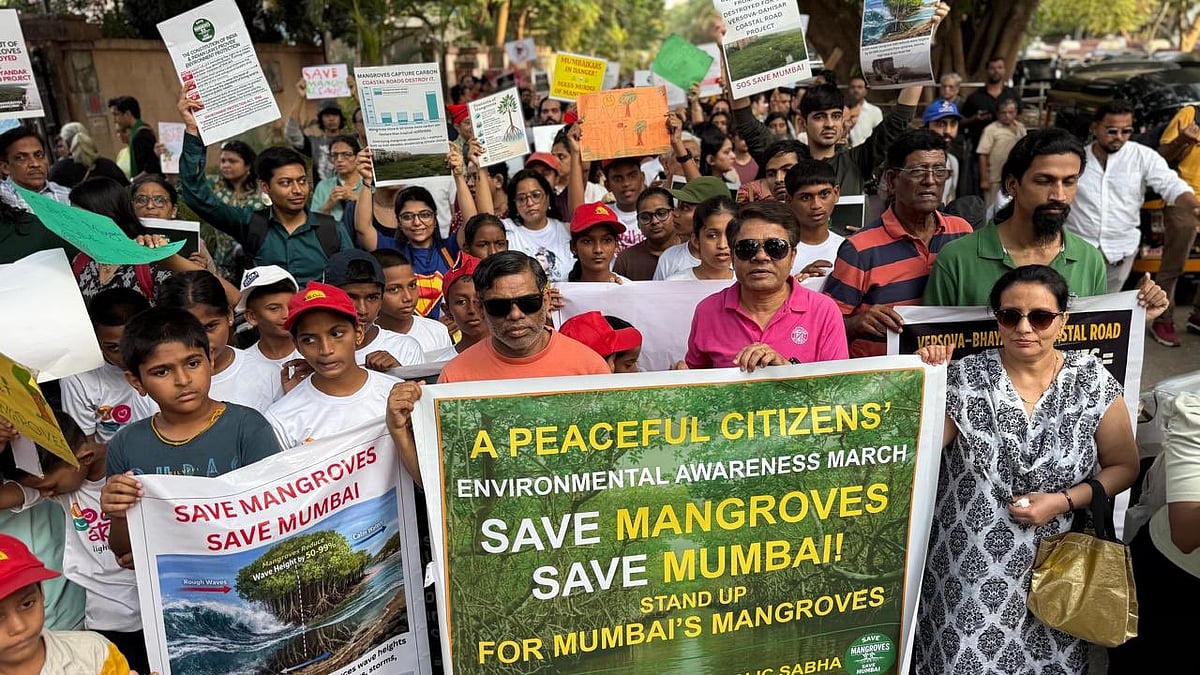
The reaction to this project is divided. Environmentalists are worried that removing so many trees will make Mumbai more likely to flood. Their lawyers argued that mangroves take many years to grow back and cannot be easily replaced. They even showed satellite images to suggest that the BMC's plans for planting new trees might not be as fresh as they claimed. On the other side, government officials argue that the road is a green project in its own way. They believe that by reducing traffic jams, cars will spend less time on the road, which will lead to lower air pollution and fewer carbon emissions in the long run.
What This Means Going Forward
Now that the legal hurdles are mostly cleared, construction is expected to move ahead quickly. The focus will now shift to how well the BMC follows the court's rules. They must show that the relocated mangroves survive and that the new forests in Chandrapur actually grow. If the BMC fails to meet these goals, they could face further legal trouble in the future. For the residents of Mumbai, this means they can look forward to shorter travel times, but they will also be watching closely to see if the city becomes more vulnerable to heavy rains and rising sea levels without its mangrove shield.
Final Take
This court decision highlights the ongoing struggle to balance the needs of a growing city with the need to protect the environment. While the new road promises to save time for millions of commuters, the permanent loss of thousands of mangroves is a high price to pay. The success of this project will depend on whether the government keeps its promise to restore the nature it is removing today.
Frequently Asked Questions
Why are mangroves important for Mumbai?
Mangroves act as a natural barrier against sea storms and help prevent flooding. They also absorb a large amount of carbon dioxide, which helps keep the air cleaner in a busy city.
What will happen to the trees that are removed?
Most of the trees, about 36,675 of them, will be moved to new locations. However, around 9,000 trees will be cut down completely. The city must plant new trees in another district to make up for this loss.
How will the court ensure the environment is protected?
The BMC must submit a report every year for ten years to the High Court. These reports must show the progress of the new tree planting and the health of the restored mangroves.

