
Summary
The Indian National Congress has recently highlighted a significant moment in history to address the current tensions in the Strait of Hormuz. As shipping routes face new threats and blockades, the party recalled the 1956 Suez Canal crisis and the pivotal role played by Indian diplomat V.K. Krishna Menon. By looking back at how India helped resolve a major global conflict decades ago, the party aims to emphasize the importance of strong, independent diplomacy in modern international relations.
Main Impact
The primary impact of this historical reminder is to shift the focus toward India's legacy as a global mediator. The Strait of Hormuz is one of the most vital maritime passages in the world, and any disruption there has immediate effects on global oil prices and trade stability. By referencing the Suez Canal crisis, the Congress party is suggesting that India has a long-standing tradition of solving complex international disputes through dialogue rather than force. This move serves as both a history lesson and a subtle critique of how modern foreign policy handles maritime security challenges.
Key Details
What Happened
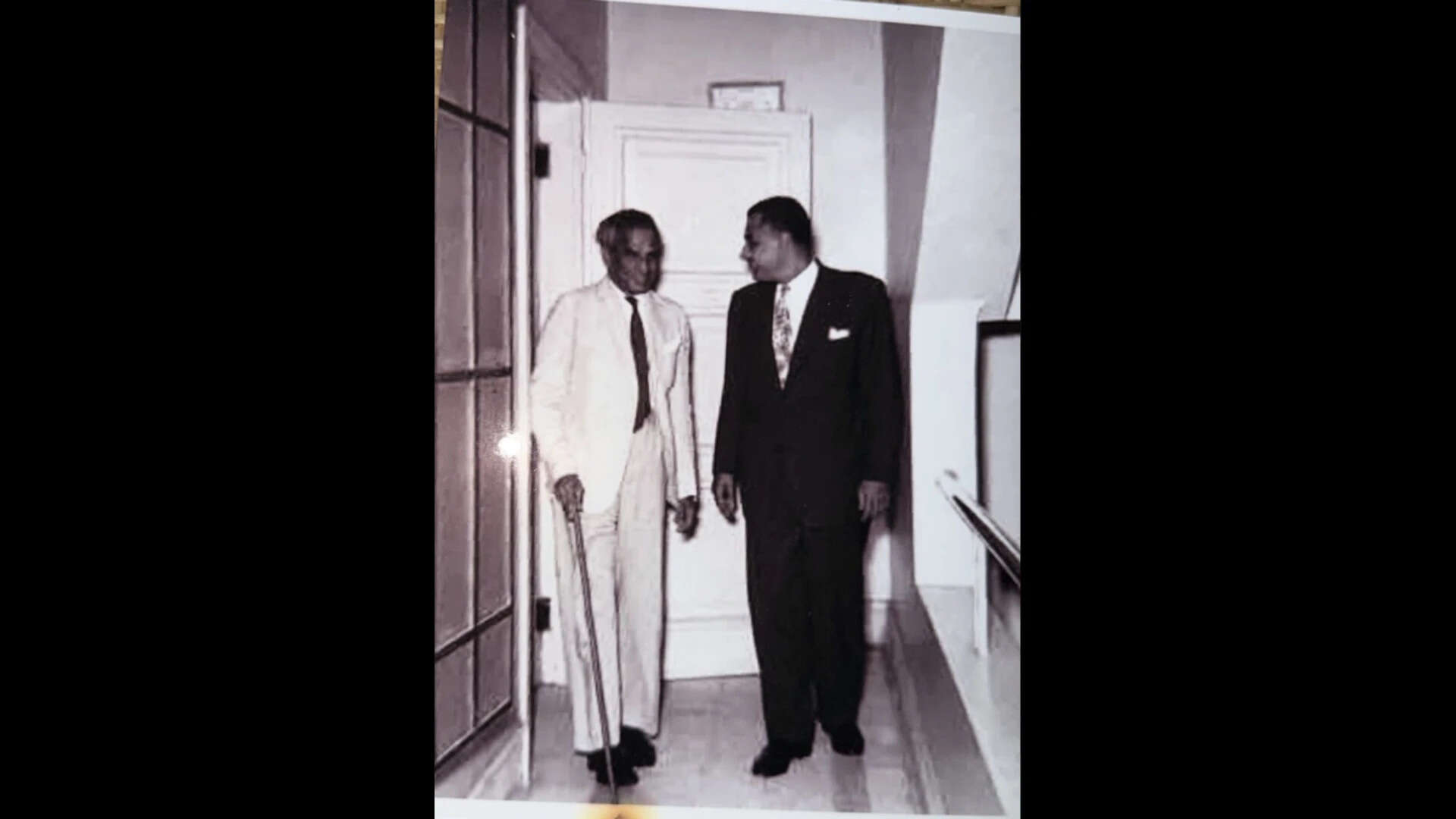
In recent weeks, the Strait of Hormuz has become a flashpoint for regional tension, leading to fears of a total blockade. This narrow waterway is essential for the movement of goods and energy supplies. In response to these developments, senior leaders of the Congress party shared historical accounts of the 1956 Suez crisis. They pointed out that when the world was on the brink of a major war over the canal, India stepped in to find a middle ground. V.K. Krishna Menon, acting under the guidance of then-Prime Minister Jawaharlal Nehru, proposed a plan that respected Egypt's rights while ensuring the canal remained open for international trade.
Important Numbers and Facts
The 1956 Suez Canal crisis began when Egypt decided to take control of the canal, which was previously managed by British and French interests. This led to a military invasion by the United Kingdom, France, and Israel. During this time, V.K. Krishna Menon spent weeks traveling between world capitals to negotiate a peace deal. His efforts were widely recognized as "succeeding admirably" because they prevented a much larger war. Today, the Strait of Hormuz carries nearly 20% of the world's total oil consumption, making it even more economically significant than the Suez Canal was in the 1950s.
Background and Context
To understand why this matters, one must look at how global trade works. Most of the world's goods and energy are moved by sea. There are certain "choke points" or narrow passages that are very easy to block but very hard to bypass. The Suez Canal and the Strait of Hormuz are the two most famous examples. In 1956, the crisis was about colonialism and national pride. Today, the tensions in the Strait of Hormuz are often linked to regional rivalries and security concerns. In both cases, a blockade means that ships cannot move, prices for gas and food go up, and the global economy suffers. India, as a major importer of oil, is always directly affected by these disruptions.
Public or Industry Reaction
The reaction to this historical comparison has been mixed. Supporters of the Congress party's message argue that India should return to its role as a "non-aligned" leader that can talk to all sides of a conflict. They believe that the lessons from V.K. Krishna Menon’s diplomacy are still relevant today. On the other hand, some political analysts suggest that the world has changed too much since 1956. They argue that modern conflicts involve different types of technology and non-state actors, making the old diplomatic strategies harder to apply. However, historians generally agree that India's role in the Suez crisis was one of its finest hours in international politics.
What This Means Going Forward
Looking ahead, the situation in the Strait of Hormuz remains uncertain. If the blockade continues or worsens, the international community will have to decide between military intervention or diplomatic negotiation. By bringing up the Suez crisis, the Congress party is advocating for the latter. This suggests that India should use its growing influence to bring conflicting parties to the table. For the average person, this means that the stability of fuel prices and the availability of imported goods may depend on how well these diplomatic efforts succeed. The next steps will likely involve high-level meetings between global powers to ensure that shipping lanes remain safe and open.
Final Take
History often repeats itself, and the challenges facing global shipping today are not entirely new. The reminder of V.K. Krishna Menon’s success in 1956 serves as a powerful example of how a single nation can influence global peace through persistent and clever negotiation. While the tools of diplomacy have changed, the need for a balanced and peaceful resolution to maritime blockades remains as urgent as ever. Protecting these vital waterways is not just about politics; it is about protecting the global economy that everyone relies on.
Frequently Asked Questions
What is the Strait of Hormuz?
The Strait of Hormuz is a narrow waterway between the Persian Gulf and the Gulf of Oman. It is the most important oil transit point in the world because a large portion of the world's petroleum passes through it every day.
Who was V.K. Krishna Menon?
V.K. Krishna Menon was a prominent Indian diplomat and politician who served as India's Defense Minister. He was famous for his work at the United Nations and his role in resolving international crises during the mid-20th century.
Why was the 1956 Suez Canal crisis important?
The Suez crisis was a major international conflict that occurred when Egypt nationalized the Suez Canal. It almost led to a global war, but it was eventually resolved through diplomacy, marking a turning point in how international disputes over trade routes are handled.



