Summary
Iran has offered to reopen the Strait of Hormuz, one of the world's most important oil shipping routes, in exchange for the United States ending its economic blockade and the current war. The proposal, delivered through Pakistani officials, suggests putting off difficult talks about Iran’s nuclear program until a later time. While the offer could lower record-high energy prices, President Donald Trump is expected to turn it down because it does not address his main goal of stopping Iran from building nuclear weapons.
Main Impact
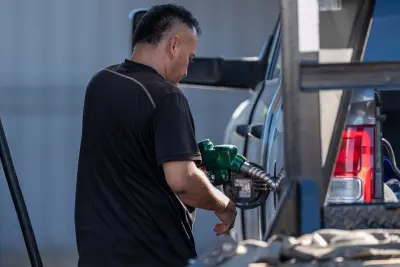
The ongoing closure of the Strait of Hormuz has sent shockwaves through the global economy. Because about 20% of the world's oil and gas passes through this narrow waterway, the shutdown has caused energy prices to spike. This has led to much higher costs for gasoline at the pump and has increased the price of everyday goods like food and fertilizer. For the United States, these rising costs are creating political pressure as important elections approach. For Iran, the U.S. blockade is cutting off the money it needs to run its government, creating a desperate situation for its leaders.
Key Details
What Happened
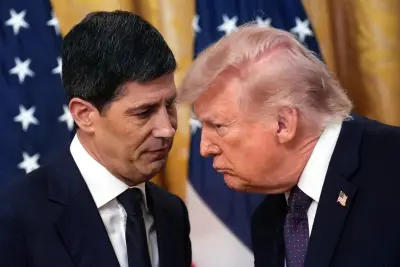
Over the weekend, Iranian officials met with mediators from Pakistan to discuss a way to end the fighting that began on February 28. Iran proposed a deal where they would allow ships to pass through the Strait of Hormuz again if the U.S. Navy stops blocking Iranian ports. A major part of this offer is that Iran wants to wait to discuss its nuclear activities. President Trump acknowledged receiving a "much better" proposal but signaled that he will not agree to any deal that allows Iran to keep the materials needed to make a nuclear bomb.
Important Numbers and Facts
The human and economic cost of the conflict has been high. Since the war started in late February, more than 3,375 people have died in Iran and over 2,500 have died in Lebanon. The U.S. has lost 13 service members in the region. Economically, the price of Brent crude oil has hit $108 per barrel, which is a 50% increase since the start of the war. Currently, a fragile ceasefire is in place, but it is only temporary and could end if negotiations fail.
Background and Context
The Strait of Hormuz is a small but vital stretch of water between Iran and Oman. It is the only way for oil tankers from countries like Saudi Arabia, Kuwait, and the United Arab Emirates to reach the open ocean. When Iran blocks this path, it stops the flow of energy to the rest of the world. The U.S. and Israel went to war with Iran earlier this year specifically to destroy its nuclear program. The U.S. uses a naval blockade to stop Iran from selling its own oil, hoping to force the country to give up its nuclear ambitions. Iran is now using its control of the waterway as a tool to fight back against these economic pressures.
Public or Industry Reaction
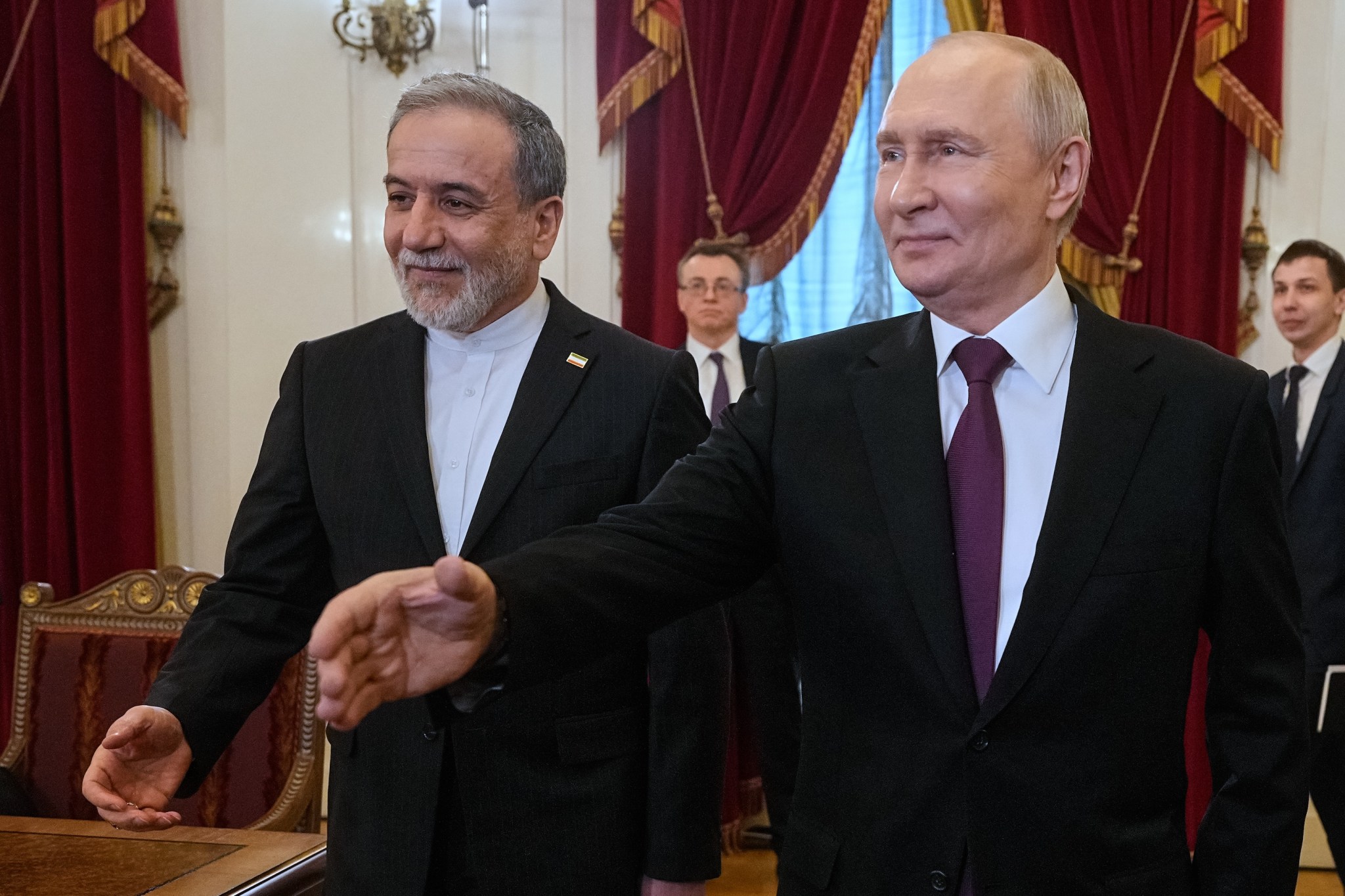
International leaders have shown mixed reactions to the news. Russian President Vladimir Putin met with Iran’s foreign minister and praised the Iranian people for their strength. Russia has remained a supporter of Iran throughout the conflict. Meanwhile, Pakistan and Oman are working hard as mediators to prevent the war from starting again. Within the oil industry, experts are worried that if the U.S. rejects this offer, oil prices will stay high for a long time. Gulf Arab nations, which rely on the strait to sell their oil, are also pushing for a solution that reopens the shipping lanes as soon as possible.
What This Means Going Forward
The next few weeks will be critical for the region. If President Trump continues to demand that Iran give up its nuclear fuel immediately, the ceasefire may break. Iran has also suggested a new plan to charge "tolls" or fees for ships passing through the strait, which could create new legal and political battles. If no agreement is reached, the U.S. blockade will continue, and Iran may keep the strait closed. This would likely keep global inflation high and could lead to more intense fighting in both Iran and Lebanon, where the group Hezbollah is also involved in the conflict.
Final Take
Iran’s offer shows that the U.S. blockade is working to bring them to the table, but the two sides are still very far apart on the biggest issue: nuclear weapons. While reopening the Strait of Hormuz would help the global economy and lower gas prices, the U.S. government seems unwilling to trade long-term security for short-term economic relief. Without a compromise on the nuclear issue, the world should prepare for continued tension and high energy costs.
Frequently Asked Questions
Why is the Strait of Hormuz so important?
It is the most important oil transit point in the world. About one-fifth of all traded oil and gas must pass through this narrow area to reach global markets.
Why did the U.S. go to war with Iran?
The U.S. and Israel launched military actions in February 2026 to prevent Iran from developing nuclear weapons and to reduce its influence in the Middle East.
How has the war affected oil prices?
Since the war began on February 28, oil prices have increased by about 50%, reaching over $100 per barrel due to shipping delays and the closure of the strait.