Summary
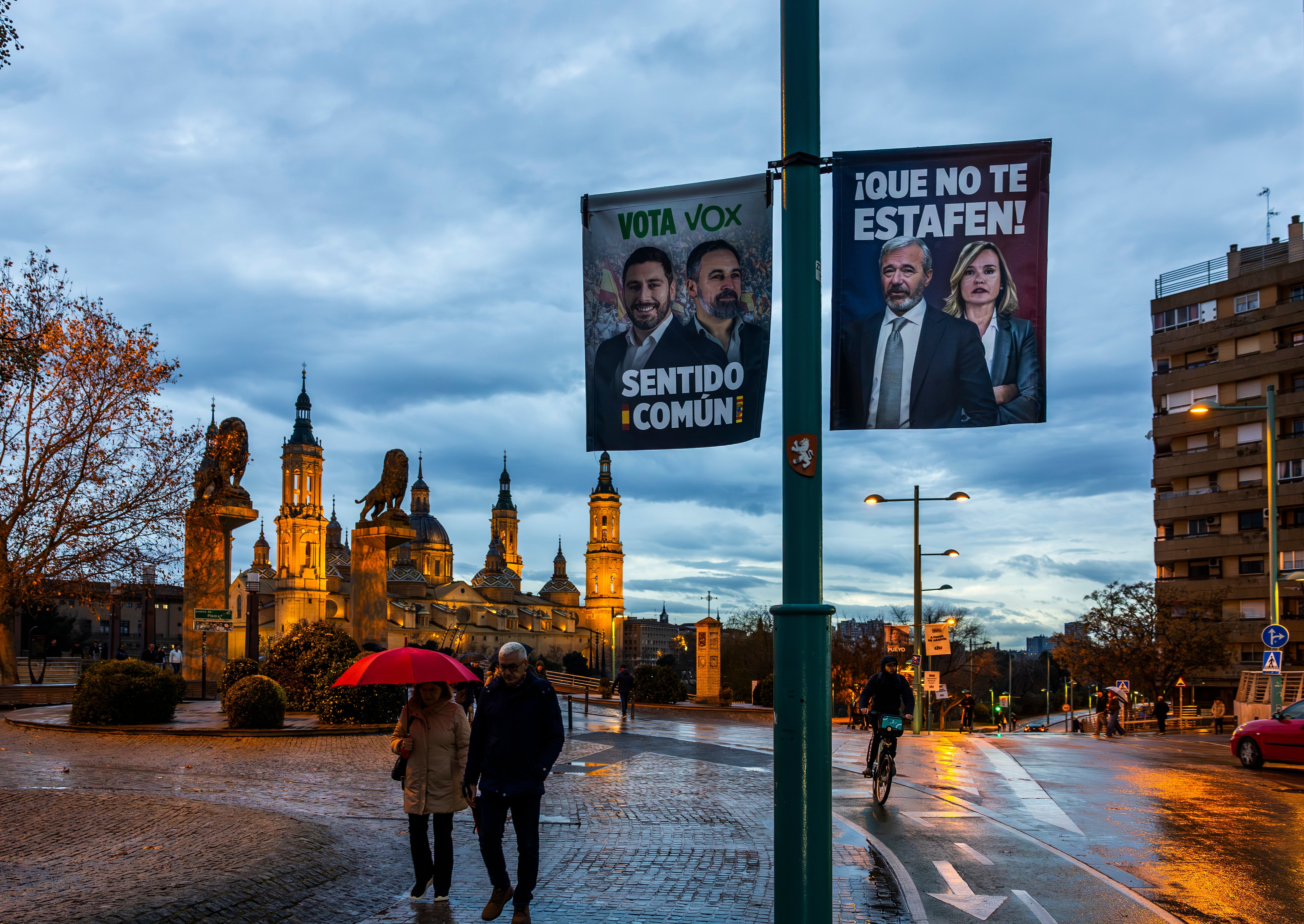
Recent regional elections in Spain have revealed a major shift in the country's political balance. Over the last few months, voters in Extremadura, Aragón, and Castilla y León went to the polls to choose their local leaders. While the People’s Party (PP) emerged as the winner in these areas, they did not gain enough votes to lead alone. This has left them dependent on Vox, a party that has seen the fastest growth in recent years. The results show a strengthening right-wing movement and a weakening left-wing block that is struggling with internal divisions.
Main Impact
The most significant outcome of these elections is the new power dynamic between the PP and Vox. The PP remains the most popular choice for conservative voters, but their path to power now requires help from Vox. This means that Vox is no longer just a small alternative; they are now a "kingmaker" that can decide who leads the government. This shift forces the PP to move further to the right to keep their partners happy, which could change how laws are made in these regions.
Key Details
What Happened
The election cycle began on December 21 in Extremadura, where the right-wing parties took control from the Socialists (PSOE). This was followed by a vote in Aragón on February 8, and finally, the elections in Castilla y León on March 15. In each case, the story was similar: the PP won the most seats, but Vox gained the most momentum. The left-wing parties, meanwhile, saw their support drop or stay flat, failing to provide a strong challenge to the rising right-wing alliance.
Important Numbers and Facts
In Extremadura, the PP won but fell short of a total majority, making Vox essential for a stable government. In Aragón, the PP actually lost two seats compared to their previous standing, while Vox saw its numbers jump significantly. The most recent vote in Castilla y León confirmed this trend, showing that the right-wing block is now the dominant force in these three major regions. On the other side, the PSOE recorded some of its worst historical results in these areas, showing a clear decline in support for the current national government's allies.
Background and Context
For a long time, Spanish politics was a race between two main parties. However, the rise of new groups has made it harder for anyone to win a clear majority. These three regions—Extremadura, Aragón, and Castilla y León—are often seen as indicators of how the rest of the country feels. The shift toward the right suggests that many voters are unhappy with the current direction of the country. They are looking for stronger stances on national identity, the economy, and traditional values, which is why Vox has been able to attract so many new followers.
Public or Industry Reaction
Political experts are focusing on the "division" within the left. While the right-wing parties are working together more effectively, the left-wing parties are split into many small groups. This division makes it hard for them to win seats under the current voting system. Interestingly, local left-wing groups that focus only on their specific region did better than the national left-wing parties. This suggests that voters are looking for leaders who feel more connected to their local towns and cities rather than politicians who only focus on national debates in Madrid.
What This Means Going Forward
Looking ahead, the PP faces a difficult balancing act. They must work with Vox to stay in power, but they also want to appeal to moderate voters who might be worried about Vox’s more radical ideas. If the PP leans too far to the right, they might lose middle-ground voters. If they don't lean far enough, Vox might withdraw its support. For the left, the next few months will be a time of reflection. They need to find a way to unite their different groups if they want to have any chance of winning future elections.
Final Take
The political map of Spain is changing. Winning an election is no longer just about getting the most votes; it is about who can build the strongest alliance. Right now, Vox holds the power to make or break the PP’s leadership. As the right-wing front grows stronger and the left remains divided, the way these regions are governed will likely become more conservative. This trend will be a major factor in the next national election, as every party tries to figure out how to navigate this new era of shared power.
Frequently Asked Questions
Why is Vox growing so fast?
Vox has gained support by focusing on clear, simple messages about national unity and traditional values. Many voters who feel ignored by the larger parties see Vox as a way to send a strong message to the government.
What happened to the Socialist party (PSOE)?
The PSOE has struggled in these recent regional elections. They have lost support to both right-wing parties and smaller, local groups. Internal divisions and dissatisfaction with national policies have contributed to their lower numbers.
Can the PP govern without Vox?
In the current political climate of these three regions, it is almost impossible for the PP to form a government without the support of Vox. They do not have enough seats on their own to reach a majority, making a partnership necessary.