
Summary
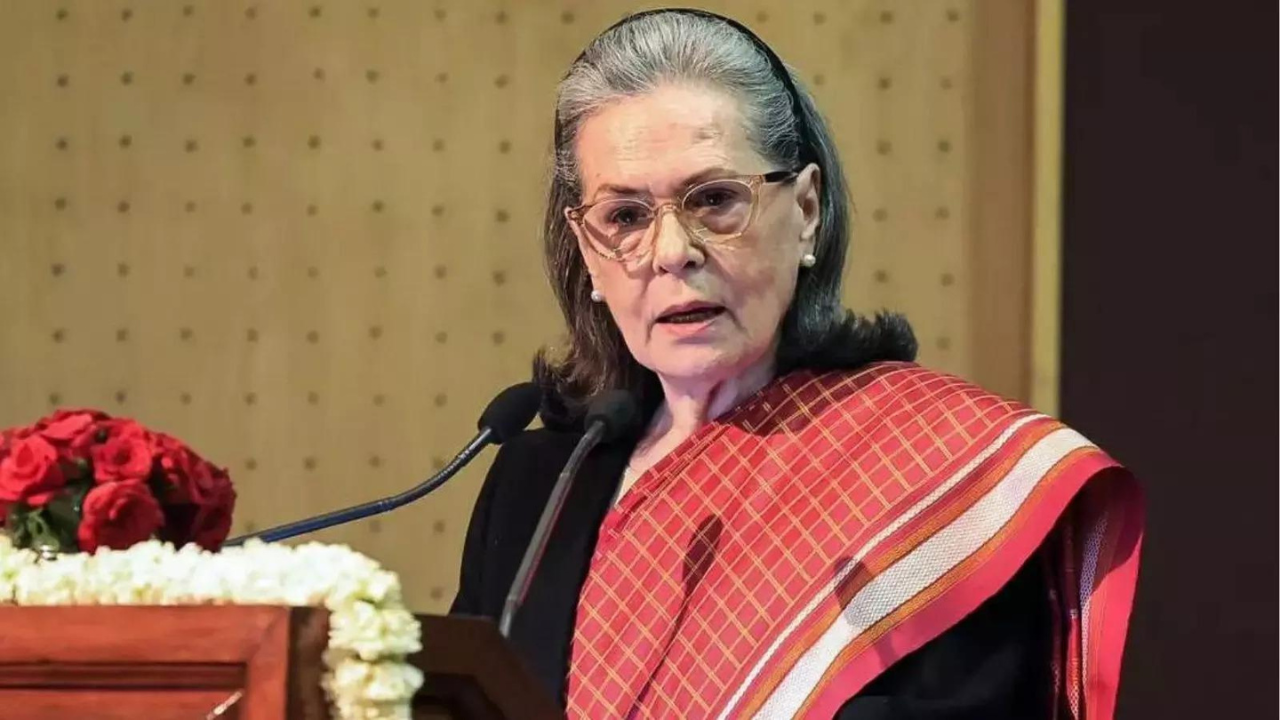
Sonia Gandhi, a senior leader of the Congress party, has strongly criticized the government’s new plan for women’s seats in Parliament. She called the bill "deeply flawed" and described it as a direct attack on the rules of the country. Gandhi believes the government is using this law for political gain rather than truly helping women. She is worried that the plan links women's rights to a future process of redrawing voting areas, which could take many years to complete.
Main Impact
The biggest concern raised by Sonia Gandhi is that the bill does not give women more power right away. Instead, it makes women wait for two major things to happen: a new national count of the population (a census) and a process called delimitation. Delimitation is when the government changes the boundaries of voting districts. Because these steps take a long time, the 33% reservation for women in the Lok Sabha and state assemblies might not happen for several years. This delay is seen by critics as a way to avoid giving women their fair share of power immediately.
Key Details
What Happened
During a special meeting of Parliament, the government introduced a bill to reserve one-third of all seats for women. While the idea sounds good, Sonia Gandhi says the way it is written is "extremely dangerous." She argues that the government is rushing the process to look good before elections but has added rules that stop the law from working now. She called the move "hollow," meaning it has no real substance or immediate benefit for the women of India.
Important Numbers and Facts
The bill aims to set aside 33% of seats in the Lok Sabha and state legislative assemblies for women. However, the law states this will only happen after the next census is finished. The last census was supposed to happen in 2021 but was delayed. After the census, the government must redraw the maps for every voting district. Experts say this means the reservation might not be ready until the 2029 elections or even later. Gandhi pointed out that this long wait is unfair to women who have been asking for this change for decades.
Background and Context
The fight for women’s reservation in India has been going on for over 25 years. Many different governments have tried to pass a law like this, but they often failed because of political disagreements. The current government says this new bill is a historic step for "women's power." However, the link between women's seats and the redrawing of voting boundaries has caused a lot of worry. In India, some states have worked hard to keep their population growth low. If the government redraws voting areas based on new population numbers, these states might lose seats in Parliament. Sonia Gandhi argued that states that followed population rules should not be punished by losing their political influence.
Public or Industry Reaction
The reaction to Gandhi’s comments has been split. Supporters of the Congress party agree that the bill is a "political stunt" designed to win votes without actually changing anything today. They want the reservation to start immediately without waiting for a census. On the other side, the ruling party and its supporters say the bill is a major victory. They argue that following the legal process of a census and redrawing boundaries is necessary to make sure the seats are divided fairly. Some women's rights groups are happy that a law was finally passed, but they are also frustrated by the long timeline for it to actually start.
What This Means Going Forward
In the coming months, there will likely be more debates about when the census will actually happen. If the government does not start the population count soon, the delay for women’s reservation will grow even longer. There is also a risk of legal challenges. Some groups might go to court to argue that the reservation should not be tied to the redrawing of voting districts. For now, women will have to wait and see if the government takes the next steps quickly or if the bill remains just a promise on paper for the next several years.
Final Take
While the goal of giving women more seats in government is widely supported, the current plan has created deep divisions. By calling the bill an "assault on the Constitution," Sonia Gandhi has highlighted a major trust gap between the opposition and the government. For this law to be truly successful, it needs to be more than just a future promise; it needs a clear and fast path to becoming a reality for women across the country.
Frequently Asked Questions
Why is Sonia Gandhi unhappy with the women's quota bill?
She believes the bill is a political trick because it does not start immediately. She is also worried that it links women's seats to redrawing voting boundaries, which could hurt states that controlled their population growth.
When will the 33% reservation for women actually start?
It will only start after the next national census and the redrawing of voting districts are completed. This means it likely won't happen until the 2029 elections or later.
What is delimitation and why does it matter?
Delimitation is the process of changing the borders of voting areas based on population changes. It matters because it determines how many representatives each state gets in Parliament, which affects a state's political power.



