
Summary
Sonam Wangchuk, a well-known activist from Ladakh, has called for a new start in talks with the central government. After being released from jail, he expressed a willingness to find a middle ground regarding the region's political demands. This move comes after months of tension and marks a shift toward a more cooperative approach. Wangchuk believes that a "give-and-take" strategy is the best way to ensure a positive outcome for both the people of Ladakh and the government.
Main Impact
The most significant change is Wangchuk’s new flexibility. For a long time, leaders in Ladakh insisted on two main things: becoming a full state and getting special protections under the Sixth Schedule of the Constitution. Now, Wangchuk suggests that getting at least one of these could be a path forward. This change in tone could break the long-standing disagreement between local leaders and the Union government. It opens a door for official talks to begin again without either side feeling like they lost.
Key Details
What Happened
Sonam Wangchuk was released from Jodhpur jail on March 14, 2026. He had been held for 170 days under a very strict law called the National Security Act. His arrest happened in September of the previous year after protests in the region turned violent. During those protests, four people sadly lost their lives, and many others were hurt. The government decided to cancel his detention suddenly, allowing him to walk free and speak to the public in Delhi this week.
Important Numbers and Facts
Wangchuk spent nearly six months in custody. He mentioned that for the first ten days after his arrest, he was kept away from his family and lawyers. He was prepared to stay in jail for a full year if necessary to support his cause. However, the legal process and a change in the government's stance led to his early release. He clarified that there was no secret "deal" made to get him out of jail. He stated that he would never trade his personal freedom for the rights of the people he represents.
Background and Context
Ladakh is a high-altitude region in northern India that was separated from Jammu and Kashmir in 2019. Since then, it has been ruled directly by the central government. Many people in Ladakh feel they have lost their voice in how their land is managed. They worry about their fragile environment and their unique culture. To protect these, they have asked for the "Sixth Schedule." This is a part of the Indian Constitution that gives local tribal communities the power to make their own laws about land, water, and forests. They also want statehood so they can have their own elected assembly and more power to make decisions.
Public or Industry Reaction
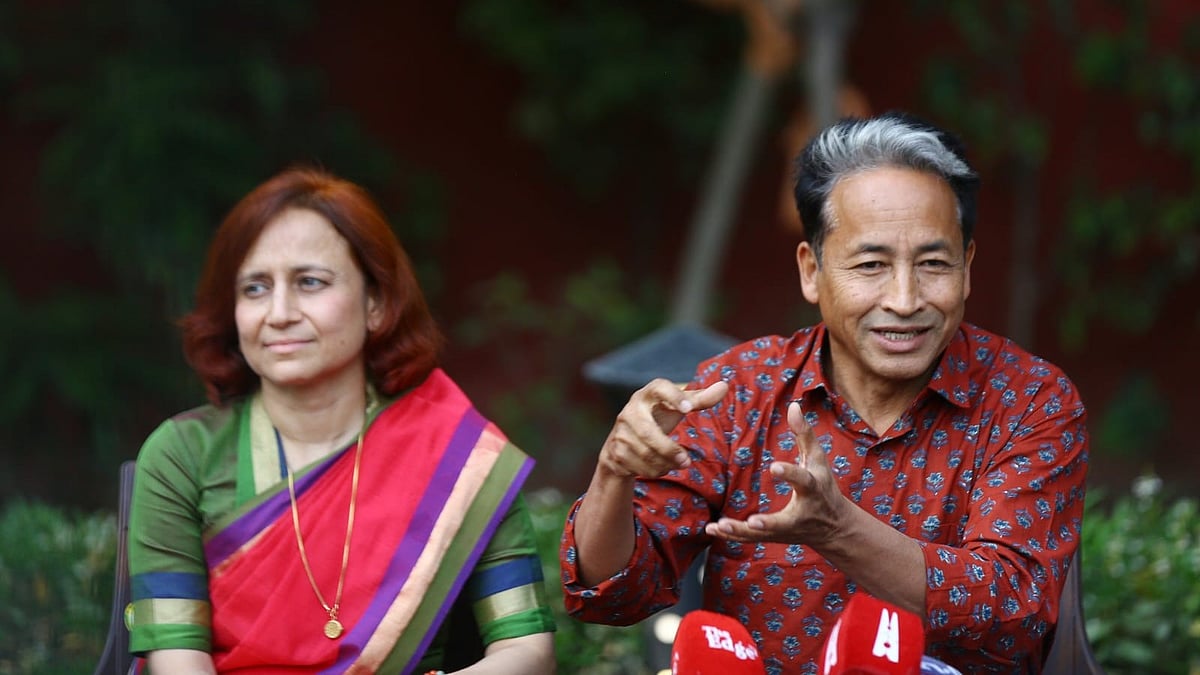
During his press conference, Wangchuk was joined by his wife, Geetanjali Angmo. She spoke about a vision where Ladakh becomes a model for the rest of the world by being self-reliant and green. Wangchuk also addressed the harsh labels some people used against him. He was called "anti-national" by some critics during his time in jail. He told reporters that if he were truly an enemy of the country, the government would not have released him. He noted that people in Ladakh feel very hurt when their loyalty to India is questioned, as they have always stood by the country during difficult times.
What This Means Going Forward
The next step for Wangchuk is to return home to Ladakh. He plans to meet with the two main groups leading the movement: the Leh Apex Body and the Kargil Democratic Alliance. He needs to see if they agree with his more flexible approach. If they do, the government might set up a high-powered committee to start formal negotiations. The goal is to rebuild trust that was broken during the months of protests and arrests. Wangchuk has offered to be part of these talks to help find a solution that benefits everyone involved.
Final Take
The shift from protest to dialogue is a hopeful sign for the region. By choosing to look forward instead of dwelling on the hardships of jail, Sonam Wangchuk is trying to create a peaceful path for Ladakh’s future. Success will now depend on whether the central government is ready to meet this "extended hand" with real action and meaningful promises.
Frequently Asked Questions
Why was Sonam Wangchuk in jail?
He was arrested in September last year following protests in Ladakh that turned violent. He was held under the National Security Act for 170 days before the government decided to release him.
What are the main demands of the people in Ladakh?
The people want Ladakh to become a full state with its own legislature. They also want protections under the Sixth Schedule to help preserve their land, culture, and environment from outside interference.
What is the "give-and-take" approach Wangchuk mentioned?
It means being flexible. Instead of demanding both statehood and Sixth Schedule status as non-negotiable, he suggested that accepting one of these could be a way to reach a compromise with the central government.

