
Summary
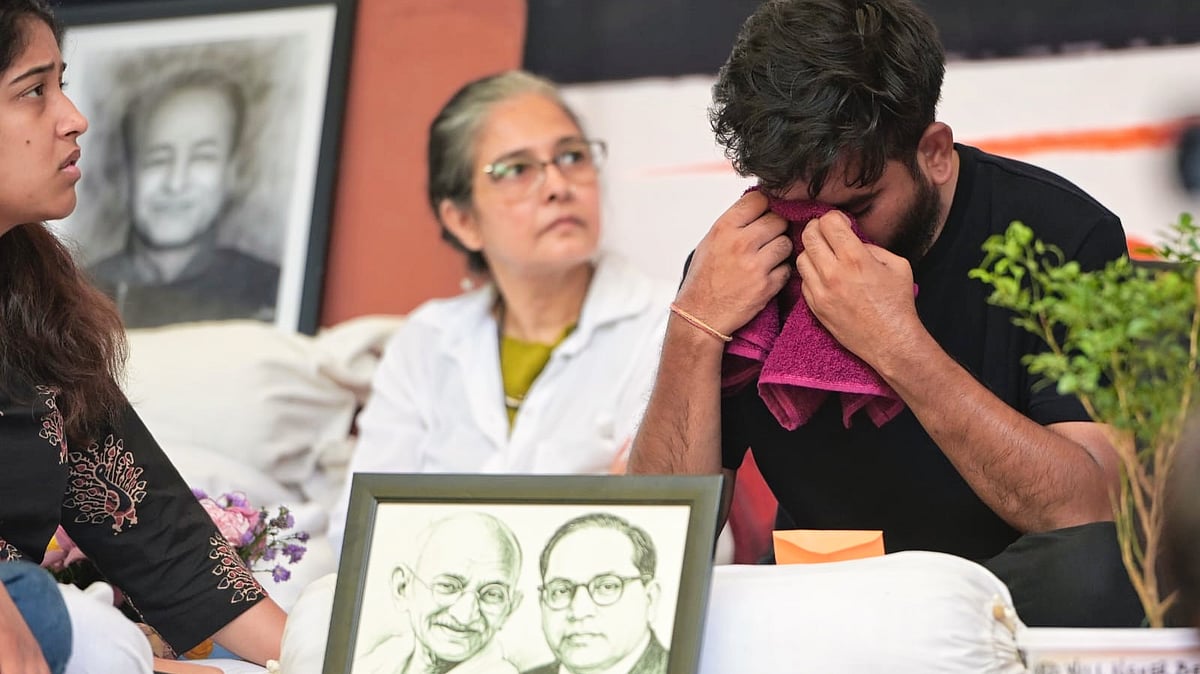
On July 18, 2026, activist Sonam Wangchuk was moved to Safdarjung Hospital after his health worsened on the 21st day of his hunger strike at Jantar Mantar in New Delhi. The Delhi Police said the move was based on medical advice and a court order. The Congress party strongly criticized the police action, accusing the central government of crushing peaceful protests instead of protecting democratic rights.
Main Impact
The police action against Sonam Wangchuk and other protesters has sparked a political fight. The Congress party claims the government is using police force to stop peaceful dissent. This event raises questions about the right to protest in India and how the government handles such situations. The health of the hunger strikers, who have been fasting for over three weeks, is also a major concern.
Key Details
What Happened
Sonam Wangchuk, an activist, was on an indefinite hunger strike at Jantar Mantar in New Delhi. He was demanding the resignation of Union Education Minister Dharmendra Pradhan over exam irregularities. On July 18, his health got worse, and the Delhi Police moved him to Safdarjung Hospital. The police said this was done on the advice of doctors and as per the Delhi High Court's orders. Some protesters tried to stop the move, leading to a small commotion. The police said they used restraint and completed the operation safely.
Important Numbers and Facts
Wangchuk was on hunger strike for 21 days. He was joined by three activists from the All India Students' Association (AISA). The protest started on June 28, 2026. The hunger strike was part of a larger protest by the Cockroach Janta Party (CJP) over NEET exam issues and student deaths. The Delhi High Court had been monitoring Wangchuk's health. A new police commissioner was appointed in Delhi just a day before the action.
Background and Context
The right to protest peacefully is a key part of India's Constitution. Many groups and individuals have used hunger strikes to draw attention to their causes. In this case, the protesters are angry about problems in the NEET exam, which is a big medical entrance test. They say the government has not done enough to fix these issues or punish those responsible. The Congress party, which is the main opposition, has often accused the ruling BJP of not listening to peaceful protests. This event is the latest in a series of clashes between the government and activists.
Public or Industry Reaction
The Congress party strongly condemned the police action. Pawan Khera, a Congress leader, said the government sees peaceful protest as a law-and-order problem, not a democratic right. He accused the home ministry of trying to silence dissent. The CJP founder, Abhijit Dipke, claimed he was beaten and detained by police. He called for nationwide protests. Videos of Wangchuk being carried away in a white sheet have been shared online, with many calling it a "national shame." The police have defended their actions, saying they followed the law and court orders.
What This Means Going Forward
This event could lead to more political tension between the government and opposition. The Congress party may use this to criticize the BJP ahead of future elections. The health of the hunger strikers remains a concern, and more protests could happen if they are not allowed to continue their fast. The government's handling of this case will be watched closely by human rights groups and the public. It also raises questions about how far the government can go to stop protests without violating constitutional rights.
Final Take
The police action at Jantar Mantar shows a deep divide between the government and those who want to protest peacefully. While the government says it is following the law, critics argue it is using force to silence voices. This case is a test of India's commitment to democratic values and the right to dissent.
Frequently Asked Questions
Why was Sonam Wangchuk on a hunger strike?
Sonam Wangchuk was on a hunger strike to demand the resignation of Union Education Minister Dharmendra Pradhan. He and other activists were protesting against repeated irregularities in the NEET exam and the reported deaths of students linked to the controversy.
What did the Delhi Police do?
The Delhi Police moved Sonam Wangchuk to Safdarjung Hospital on July 18, 2026, because his health got worse. They said this was done on medical advice and as per the Delhi High Court's orders. Some protesters tried to stop the move, leading to a small commotion, but the police said they used restraint.
What is the Congress party's reaction?
The Congress party strongly criticized the police action. They accused the government of crushing peaceful protests and violating democratic rights. Congress leader Pawan Khera said the government sees protest as a law-and-order problem, not a fundamental right.

