
Summary
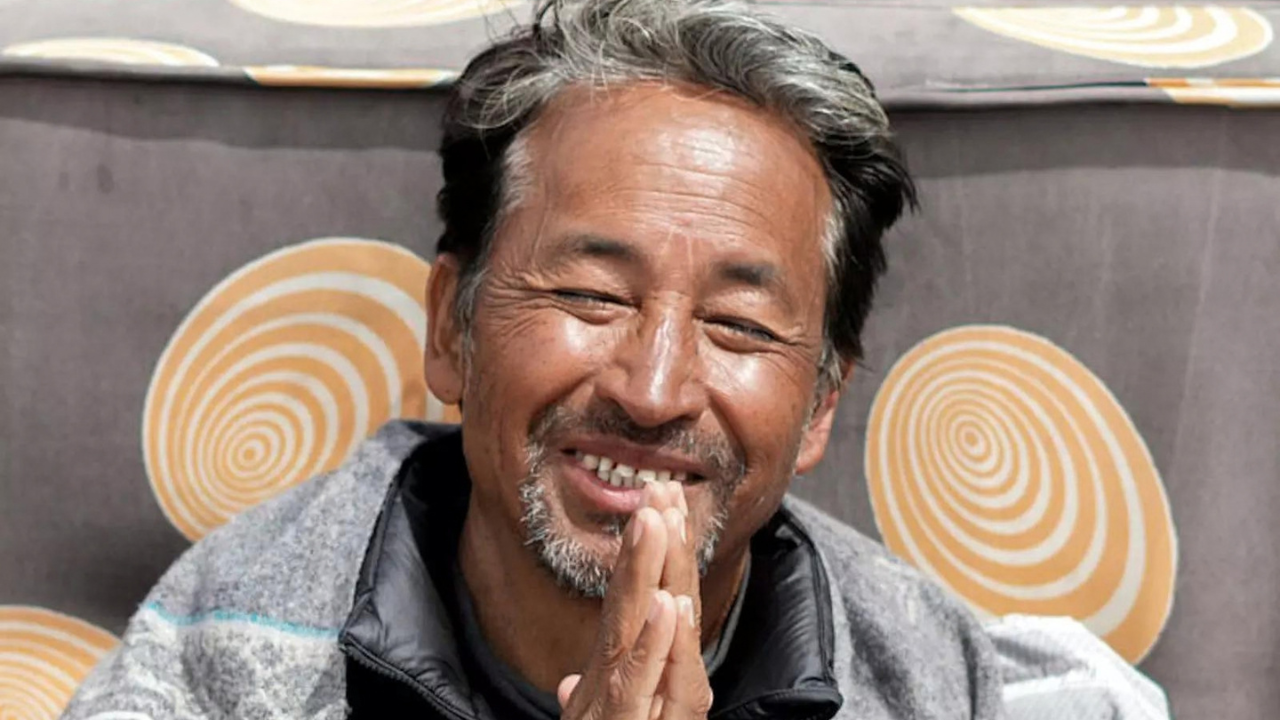
The Indian government has decided to release climate activist Sonam Wangchuk by revoking his detention under the National Security Act (NSA). Wangchuk, a well-known figure from Ladakh, had been held by authorities following a series of protests regarding the political and environmental future of the region. His release comes after significant public pressure and concerns over the use of strict laws against peaceful activists. This development is seen as a major step in the ongoing tension between the central government and the people of Ladakh.
Main Impact
The decision to free Sonam Wangchuk is expected to lower the immediate political heat in the Ladakh region. For several months, the area has been the site of large-scale demonstrations and hunger strikes. By removing the NSA charges, the government is signaling a possible shift toward dialogue rather than strict legal action. However, while the release of a popular leader brings relief to his supporters, it does not automatically solve the underlying issues. The movement for local rights remains strong, and the government will still need to address the core demands that led to the protests in the first place.
Key Details
What Happened
Sonam Wangchuk was taken into custody during a period of intense civil activity in Ladakh. He was held under the National Security Act, which is a powerful law that allows the state to keep individuals in detention for long periods without a formal trial. The government argued at the time that such measures were necessary to maintain public order in a sensitive border region. After a review of the situation and growing calls for his freedom, the authorities officially revoked the detention order, paving the way for his return to public life.
Important Numbers and Facts
The protests in Ladakh have seen thousands of residents participating in marches and rallies. Wangchuk himself completed a 21-day fast earlier this year, surviving only on water and salt to highlight the melting glaciers of the Himalayas. The movement focuses on a "Four-Point Agenda," which includes the demand for full statehood for Ladakh and its inclusion in the Sixth Schedule of the Indian Constitution. Currently, Ladakh is a Union Territory without its own local legislature, a change that occurred in 2019 when the state of Jammu and Kashmir was reorganized.
Background and Context
To understand why this matters, one must look at the history of the region. In 2019, the central government changed the status of Ladakh, separating it from Jammu and Kashmir. While many people in the town of Leh initially celebrated this move, they soon became worried about their future. Without a local government, all major decisions about land, jobs, and the environment are made by officials appointed by the central government in Delhi.
The people of Ladakh are particularly worried about their fragile environment. The region is home to many glaciers that provide water to millions of people. Residents fear that without local control, large industrial projects or mining companies could enter the area and cause permanent damage to the ecosystem. They believe that the Sixth Schedule, which provides special protections for tribal lands, is the only way to ensure that their culture and nature are preserved for future generations.
Public or Industry Reaction
The news of Wangchuk’s release has been greeted with celebrations across Leh and Kargil. Local leaders have called it a victory for democracy and the right to protest peacefully. Many citizens had felt that using the National Security Act against an educator and environmentalist was an extreme measure that did not fit the situation. On social media, supporters have been sharing messages of hope, calling for the government to now sit down and talk about the constitutional rights of the region.
On the other hand, some security experts have pointed out that Ladakh is a very sensitive area because it shares borders with both China and Pakistan. They argue that the government must balance the democratic rights of the people with the need to keep the border stable. Despite these different views, the general feeling is that the release of Wangchuk is a necessary step to prevent further anger among the local population.
What This Means Going Forward
The release of Sonam Wangchuk is likely just the beginning of a new phase of negotiations. The leaders of the Ladakh Apex Body and the Kargil Democratic Alliance are expected to continue pushing for their demands. The government now faces the challenge of finding a middle ground. They must decide if they are willing to grant Ladakh more autonomy or special protections without fully changing its status as a Union Territory.
If the government does not follow up this release with meaningful talks, the protests could easily start again. The activists have shown that they are willing to endure long fasts and cold weather to make their voices heard. The eyes of the nation will be on the next round of meetings between the home ministry and the representatives from Ladakh to see if a permanent solution can be reached.
Final Take
The government's decision to drop the charges against Sonam Wangchuk shows that public voice still carries weight. While the legal battle for his freedom has ended, the political struggle for the future of Ladakh is far from over. True stability in the region will depend on whether the government can protect the unique environment and the rights of the people who live there. Moving from detention to discussion is a good start, but the hard work of building trust is only just beginning.
Frequently Asked Questions
Who is Sonam Wangchuk?
Sonam Wangchuk is a famous engineer, educator, and climate activist from Ladakh. He is well-known for his work in sustainable development and for winning the Magsaysay Award. He has been a leading voice in the movement to protect Ladakh's environment and political rights.
What is the National Security Act (NSA)?
The National Security Act is a law in India that allows the government to detain a person if they believe that person is a threat to national security or public order. Under this law, a person can be held for several months without being formally charged in court.
What are the main demands of the Ladakh protesters?
The protesters have four main demands: full statehood for Ladakh, protection under the Sixth Schedule of the Constitution, separate parliamentary seats for Leh and Kargil, and job reservations for local residents to protect their livelihoods.



