
Summary
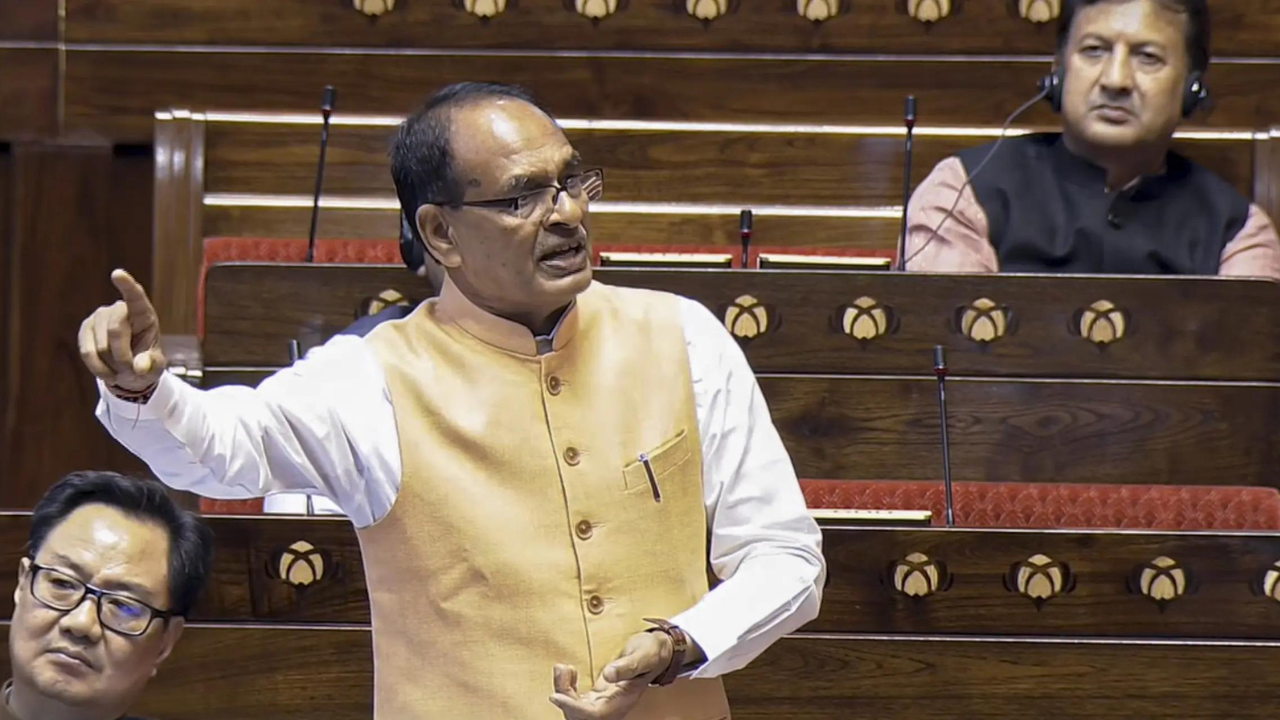
Union Minister Shivraj Singh Chouhan recently spoke out against the Congress party regarding their protests over the MGNREGA rural jobs program. The minister claimed that the opposition's efforts to stir up public anger failed because the people did not join their movement. He defended the government's handling of the scheme, stating that rural workers are satisfied with the current reforms. This development highlights the ongoing political battle over how India’s largest social security program should be managed.
Main Impact
The primary impact of this statement is the clear divide it shows between the government and the opposition on rural welfare. While the Congress party argues that new rules are hurting the poor, the government insists these changes are necessary to stop corruption. By claiming the public does not support the protests, the government is signaling that it will continue with its plan to digitize the program. This affects millions of families in villages who depend on these wages for their daily needs.
Key Details
What Happened
Shivraj Singh Chouhan, who serves as the Union Minister for Agriculture and Rural Development, addressed the media to talk about the recent demonstrations led by the Congress party. He pointed out that the protests did not see the large crowds that the opposition had expected. According to the minister, the lack of people at these events proves that the public understands and supports the government's actions. He accused the Congress of trying to mislead the poor for political reasons.
Important Numbers and Facts
The MGNREGA program is a massive operation that requires a huge budget every year. The government has often allocated more than 86,000 crore rupees to ensure there is enough money for wages. One of the biggest changes recently is the move to the Aadhaar-Based Payment System. The government says this ensures that money goes directly to the right person. They also introduced a mobile app for taking attendance at work sites to make sure people are actually working when they say they are. The minister noted that these steps have reduced the number of fake names on the lists, saving public money.
Background and Context
To understand this issue, it is important to know what MGNREGA is. It stands for the Mahatma Gandhi National Rural Employment Guarantee Act. This law was passed in 2005 and it promises at least 100 days of manual work every year to any rural household that needs it. It is often called a "safety net" because it helps people survive when they cannot find other jobs. In simple terms, it is a way for the government to make sure no one in the countryside goes hungry.
In recent times, the government has introduced new technology to run the program. They now require workers to have their bank accounts linked to their Aadhaar cards. They also require supervisors to take digital photos of workers twice a day. The Congress party says these rules are too hard for people who live in areas with no internet or for those who do not understand technology. They believe these rules are just a way for the government to avoid paying workers.
Public or Industry Reaction
The reaction to these changes has been mixed. Many social activists and members of the Congress party have held rallies to demand that the digital rules be removed. They argue that many honest workers are losing their pay because the mobile app glitches or because their fingerprints do not match the digital records. They call this a violation of the right to work.
However, the government and some economic experts argue that the old system was full of "ghost workers." These were fake names added to the lists by corrupt officials to steal government funds. They believe that while the new technology might have some small problems at first, it is the only way to make sure the money actually reaches the poor people who do the hard work.
What This Means Going Forward
The comments from Minister Chouhan suggest that the government has no plans to stop using digital tools for MGNREGA. Instead, they are likely to push for even more transparency. For the workers in the villages, this means they will have to get used to the new digital systems to ensure they get paid. The political tension will likely stay high as both parties try to show they are the true friends of the rural poor. As elections approach, the success or failure of these digital reforms will be a major talking point for both sides.
Final Take
The debate over MGNREGA is a classic example of the struggle between traditional welfare and modern technology. While the government is focused on using data to stop theft, the opposition is focused on the difficulties these tools create for the most vulnerable citizens. The true test will be whether the government can fix the technical problems so that no honest worker is left behind while they try to clean up the system.
Frequently Asked Questions
Why is the Congress party protesting against MGNREGA changes?
Congress believes that new digital attendance rules and mandatory Aadhaar-linked payments are making it too difficult for poor rural workers to get their wages.
What is the government's reason for the new rules?
The government says the rules are needed to stop corruption and ensure that money is paid directly to real workers instead of being stolen by middlemen using fake names.
What did Shivraj Singh Chouhan say about the protests?
He stated that the protests failed to get public support, which he believes shows that rural citizens are actually happy with the government's reforms and the way the program is being run.



