
Summary
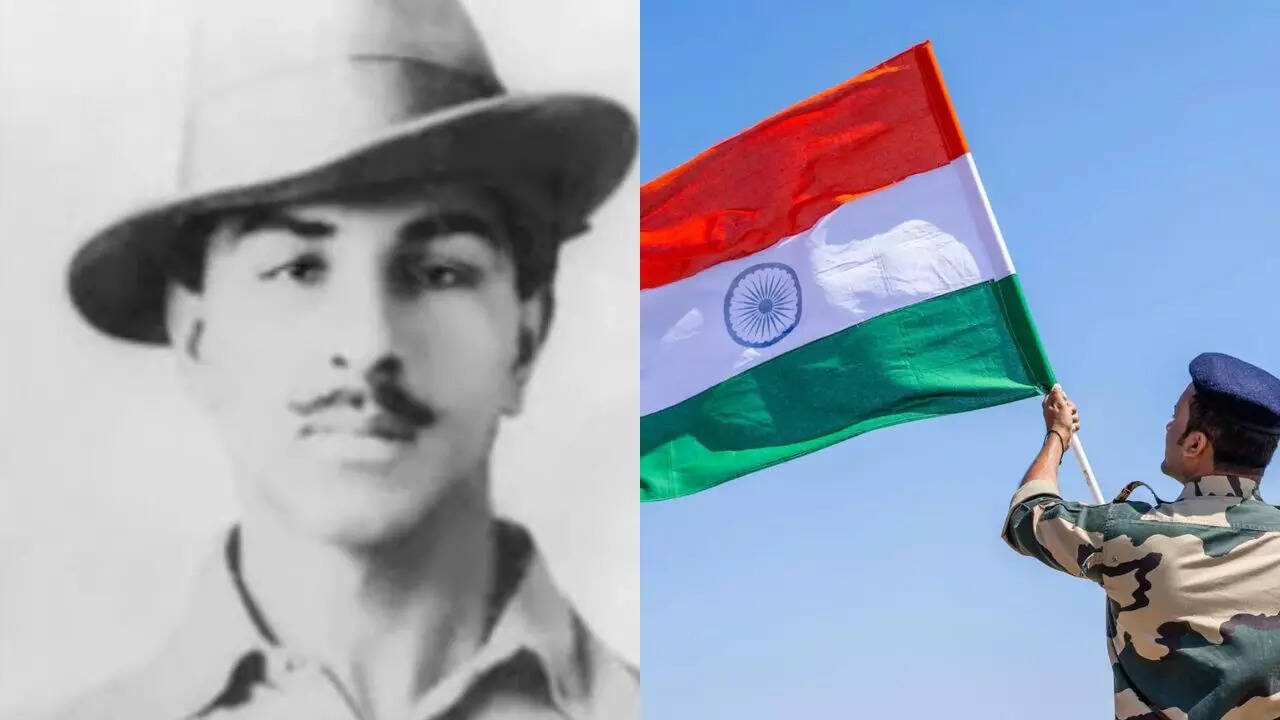
India marks Martyrs’ Day, also known as Shaheed Diwas, every year on March 23 to pay tribute to the brave individuals who gave their lives for the country’s freedom. This specific date honors Bhagat Singh, Shivaram Rajguru, and Sukhdev Thapar, three young revolutionaries who were executed by the British government in 1931. The day serves as a powerful reminder of the sacrifices made during the struggle for independence and encourages citizens to remember the courage of those who fought for a sovereign nation. It is a time for national reflection, prayer, and official ceremonies led by the country's top leaders.
Main Impact
The observance of Martyrs’ Day has a deep emotional and social impact on the people of India. It helps keep the history of the independence movement alive for younger generations who did not witness the struggle firsthand. By honoring these heroes, the government and educational institutions reinforce the values of patriotism and selfless service. This day also strengthens the connection between the public and the armed forces, as it highlights the ongoing commitment of soldiers who protect India’s borders today. It is not just a look back at history, but a way to inspire modern citizens to contribute positively to the nation’s growth.
Key Details
What Happened
On March 23, 1931, the British colonial government hanged Bhagat Singh, Rajguru, and Sukhdev in the Lahore Central Jail. These three men were members of the Hindustan Socialist Republican Association and were involved in the fight against British rule. Their execution sparked widespread anger and sadness across India, turning them into symbols of resistance. While the British hoped to end the revolutionary movement by removing its leaders, the deaths of these three young men actually gave more strength to the push for freedom. Today, the nation stops to remember their bravery and the bravery of all others who died for the cause of liberty.
Important Numbers and Facts
The events surrounding Martyrs’ Day involve several key facts and dates that are central to Indian history. Bhagat Singh was only 23 years old at the time of his death, showing the immense role that young people played in the independence movement. While March 23 is a major day of remembrance, India also observes another Martyrs’ Day on January 30. This second date marks the assassination of Mahatma Gandhi in 1948. During official ceremonies, a two-minute silence is often observed at 11:00 AM across the country to show respect for the fallen. Leaders usually gather at the National War Memorial or Raj Ghat to lay wreaths and offer prayers.
Background and Context
To understand why this day is so important, one must look at the state of India in the early 20th century. The country was under British rule, and many people were looking for ways to win back their freedom. While some followed the path of non-violence led by Mahatma Gandhi, others believed that more direct action was needed to force the British to leave. Bhagat Singh and his companions represented this more radical side of the movement. They were willing to face death to make their voices heard. Their sacrifice became a turning point in the struggle, as it united people from different backgrounds under a single goal: a free India. Today, the day has expanded to include honors for all military personnel who have died in the line of duty since independence in 1947.
Public or Industry Reaction
Every year, the reaction to Martyrs’ Day is one of deep respect and national pride. The President and Prime Minister of India lead the nation in paying tribute, often sharing messages on social media and television about the importance of the day. Schools and colleges hold special assemblies where students perform plays, recite poems, and give speeches about the lives of the revolutionaries. In many cities, youth groups organize marches and blood donation camps to honor the memory of the martyrs through community service. The media also plays a large role by broadcasting documentaries and stories that explain the historical significance of the events in 1931, ensuring that the legacy of these heroes remains a part of the public conversation.
What This Means Going Forward
Looking ahead, Martyrs’ Day continues to be a cornerstone of India’s national identity. As the country grows and changes, these days of remembrance act as an anchor to its founding principles. The government is increasingly using these occasions to highlight the modernization of the military and the importance of national security. There is also a growing effort to identify and honor "unsung heroes"—freedom fighters from smaller towns and villages whose stories may not be as well-known as those of Bhagat Singh or Sukhdev. By doing this, the nation ensures that the spirit of sacrifice is recognized in every corner of the country, encouraging a sense of unity and shared purpose for the future.
Final Take
Martyrs’ Day is more than just a date on the calendar; it is a day that defines the soul of the nation. By pausing to remember the three young men who walked to the gallows with smiles on their faces, India reaffirms its commitment to the freedom they died for. It serves as a reminder that the peace and liberty enjoyed today were bought with a heavy price. As long as the stories of these heroes are told, their sacrifice will continue to guide and protect the heart of the country.
Frequently Asked Questions
Why is Martyrs’ Day celebrated on March 23?
It is observed on this day to honor Bhagat Singh, Rajguru, and Sukhdev, who were executed by the British on March 23, 1931, for their role in the Indian independence movement.
Is there more than one Martyrs’ Day in India?
Yes, India observes Martyrs’ Day on several dates, but the two most prominent are March 23 (for the three revolutionaries) and January 30 (the anniversary of Mahatma Gandhi’s death).
How do people observe this day?
People observe the day through prayer meetings, laying wreaths at memorials, and holding educational events. A two-minute silence is also commonly observed at 11:00 AM to honor those who died for the nation.



