
Summary
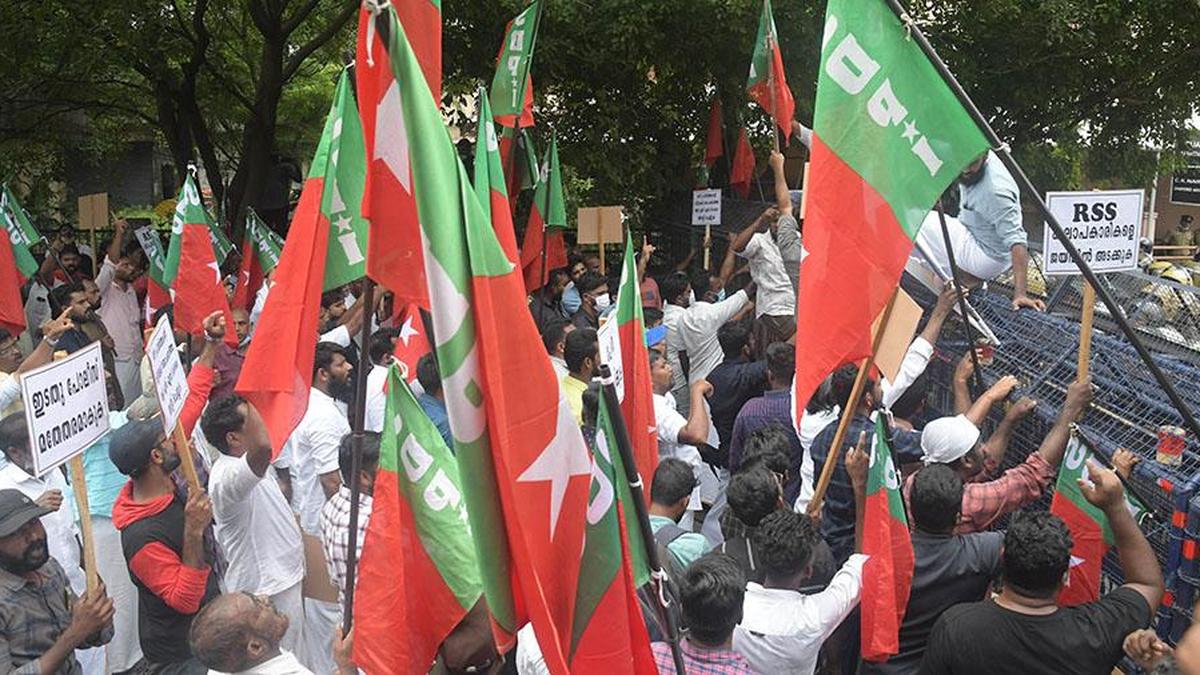
The Social Democratic Party of India (SDPI) has officially withdrawn its candidate from the Manjeswaram constituency for the upcoming Kerala Assembly elections. This decision follows intense pressure and public debate regarding the potential for a split in votes among the opposition. By stepping back, the SDPI aims to prevent the Bharatiya Janata Party (BJP) from winning the seat due to a divided vote share. This move is expected to significantly help the United Democratic Front (UDF) in what has historically been one of the most closely contested seats in the state.
Main Impact
The withdrawal of the SDPI candidate changes the entire math of the election in Manjeswaram. In a three-way or four-way race, even a few thousand votes going to a smaller party can change the final result. The main impact here is the consolidation of votes against the BJP. For the UDF, this provides a much-needed sense of security, as they no longer have to worry about losing a portion of their traditional voter base to the SDPI. This development turns the contest into a more direct battle, making it harder for the BJP to find a path to victory through a split in the opposition.
Key Details
What Happened
The SDPI leadership announced that they would no longer contest the Manjeswaram seat. They explained that their primary goal is to ensure that parties they describe as communal do not gain power in the Kerala Assembly. For weeks, political analysts and local leaders had warned that the SDPI’s presence would only serve to help the BJP by taking away votes that would otherwise go to the UDF or the Left Democratic Front (LDF). After considering these concerns, the party decided to pull its candidate from the race to avoid being blamed for a potential BJP victory.
Important Numbers and Facts
Manjeswaram is located in the northernmost part of Kerala, in the Kasaragod district. It is famous for having extremely thin winning margins. In the 2016 Assembly elections, the BJP candidate lost this seat by a tiny margin of only 89 votes. Because the gap between winning and losing is so small, every single vote is vital. In previous elections, the SDPI has managed to secure several thousand votes in this region. If those votes now shift toward the UDF, it could create a gap that is impossible for the BJP to close.
Background and Context
The political environment in Kerala is usually a fight between the LDF and the UDF. However, in certain pockets like Manjeswaram, the BJP has grown very strong over the last decade. Manjeswaram sits on the border of Karnataka and has a diverse population that speaks several languages, including Malayalam, Tulu, and Kannada. Because the BJP has come so close to winning here before, the seat is seen as a top priority for all major political groups. The SDPI is often accused by its critics of acting as a "spoiler" party. A spoiler party is one that cannot win the election itself but takes enough votes away from a major candidate to cause them to lose. By withdrawing, the SDPI is trying to shed this image and show that it is serious about stopping the BJP's progress in the state.
Public or Industry Reaction
The reaction to this news has been mixed across the political spectrum. Leaders within the UDF have quietly welcomed the move, as it strengthens their position in a high-stakes battle. They believe that voters who are concerned about the BJP will now see the UDF as the only viable choice to represent the constituency. On the other hand, the BJP has criticized the move, calling it a secret deal between the UDF and the SDPI. BJP leaders argue that such arrangements show that their opponents are desperate and are willing to join forces with anyone to stop them. Meanwhile, some local voters have expressed relief, saying that a clearer choice between the main candidates makes the election process simpler and less confusing.
What This Means Going Forward
This decision could set a precedent for other closely contested seats in Kerala. If the SDPI sees success in its strategy of withdrawing to influence the outcome, they might do the same in other areas where the BJP is strong. For the UDF, the challenge now is to ensure that they actually capture the votes that the SDPI has left behind. They must convince these voters that the UDF is the best party to protect their interests. For the BJP, the path to victory in Manjeswaram has become much steeper. They will need to work harder to attract neutral voters or hope for a surge in their own base to overcome the united front they now face. The final result in Manjeswaram will be a major indicator of whether such tactical withdrawals can effectively change the political map of the state.
Final Take
The withdrawal of the SDPI from the Manjeswaram race is a calculated move that highlights how high the stakes are in this election. In a region where less than a hundred votes can decide the winner, political parties are forced to make difficult choices to ensure their survival. This development simplifies the race for the voters but adds a new layer of tension to the campaign. It proves that in modern politics, the decision not to run can sometimes be just as powerful as the decision to contest.
Frequently Asked Questions
Why did the SDPI withdraw its candidate from Manjeswaram?
The party withdrew to prevent a split in the votes that could have helped the BJP win the seat. They wanted to ensure that the opposition remained united against the BJP in a very close contest.
Which party benefits the most from this decision?
The United Democratic Front (UDF) is expected to benefit the most. Most of the votes that would have gone to the SDPI are likely to shift to the UDF candidate, strengthening their chances of winning.
How close was the last election in Manjeswaram?
The 2016 election was incredibly close, with the BJP candidate losing by only 89 votes. This history of narrow margins is why the SDPI's withdrawal is considered such a major event.



