
Summary
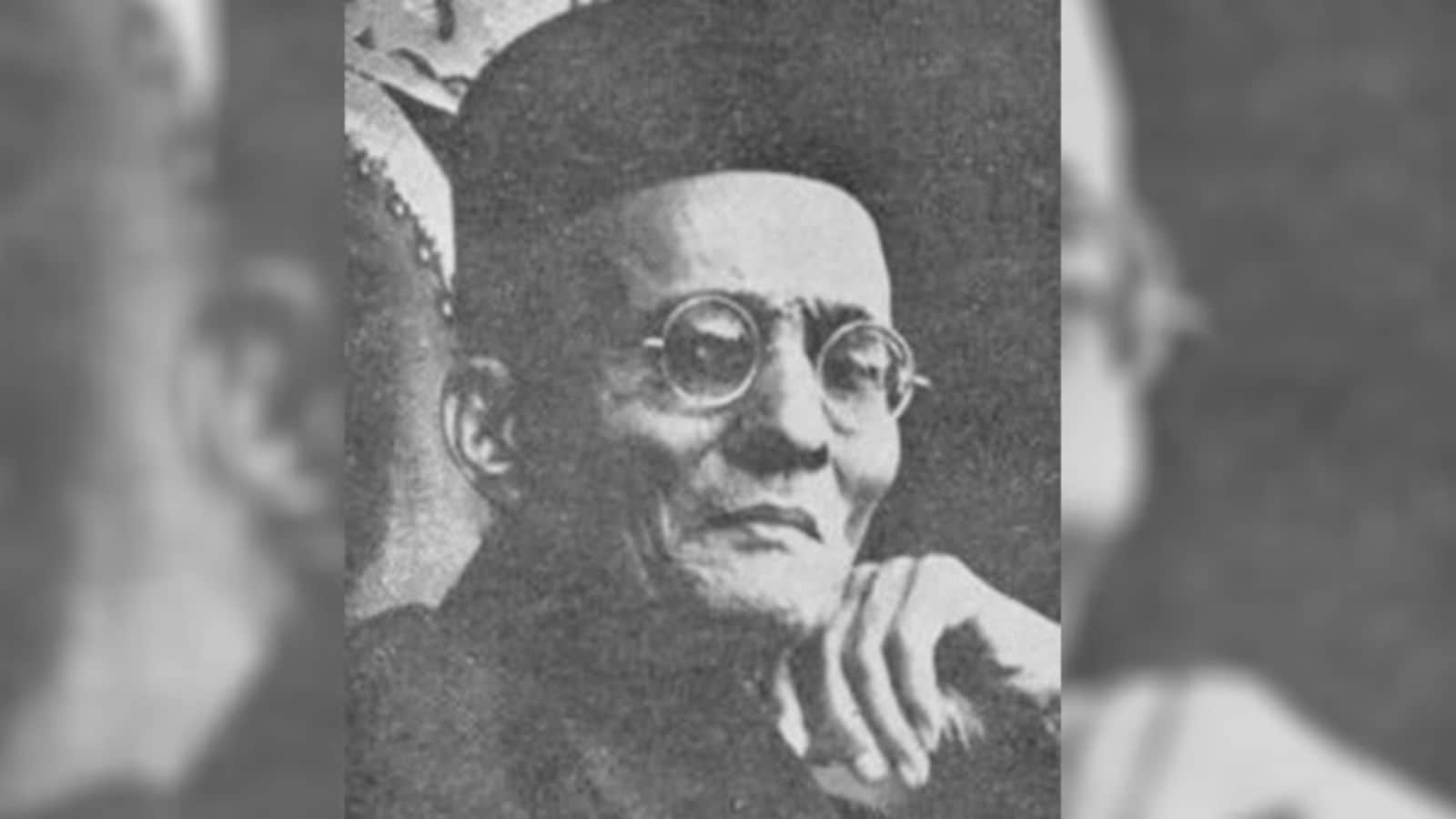
A formal proposal has been introduced in the Mumbai University Senate to award a posthumous Doctor of Letters (D.Litt) degree to Vinayak Damodar Savarkar. The move seeks to honor the historical figure for his extensive contributions to literature and his role in the Indian independence movement. If approved, this would be a rare instance of the university granting such a high academic honor after a person has passed away. The proposal now awaits further discussion and official clearance from the university's governing bodies.
Main Impact
This development marks a significant moment for Mumbai University, as it brings historical recognition into the current academic discussion. Awarding a D.Litt is the highest honor a university can give for excellence in fields like literature or social work. By proposing this for Savarkar, the Senate is highlighting his work as a writer and poet. This decision could influence how other universities view historical figures and their academic legacies. It also places the university at the center of a broader conversation about how to honor past leaders who have shaped the region's history.
Key Details
What Happened
During a recent meeting of the Mumbai University Senate, a member officially moved a motion to confer the honorary degree. The Senate is a powerful body within the university that includes teachers, graduates, and local representatives. The proposal suggests that Savarkar’s writings, which include books, poems, and plays, deserve formal academic recognition. The process for such an award is strict and requires several levels of approval before it becomes final.
Important Numbers and Facts
The proposal was brought forward during the March 2026 session of the Senate. Savarkar was a prolific author who wrote thousands of pages of literature during his lifetime. Some of his most famous works were written while he was in prison, showing his dedication to writing under difficult conditions. For the degree to be awarded, the proposal must pass the Senate, receive a green light from the Management Council, and finally be signed off by the Governor of Maharashtra, who serves as the Chancellor of the university. Historically, Mumbai University has only given honorary degrees to a small number of people, making this a very exclusive list.
Background and Context
Vinayak Damodar Savarkar, often called Veer Savarkar, is a well-known figure in Indian history, especially in Maharashtra. He was not just a political leader but also a deep thinker and a writer. He wrote in both Marathi and English, focusing on history, social reform, and national identity. Mumbai University is one of the oldest and most respected educational institutions in India. It has a long tradition of maintaining high academic standards. Bringing this proposal to the Senate is a way for supporters to ensure that Savarkar’s literary work is studied and respected in an official capacity by the state's premier university.
Public or Industry Reaction
The proposal has already started to draw attention from different groups. Supporters of the move argue that Savarkar’s contribution to the Marathi language and Indian literature is undeniable. They believe that an honorary degree is long overdue. On the other hand, some academic circles and political groups may have different views due to the controversial nature of Savarkar’s political life. In the past, similar proposals in other institutions have led to long debates. However, within the Mumbai University Senate, there is a strong push from certain members to see this through as a matter of pride for the state.
What This Means Going Forward
The next step involves a detailed review by the university’s Management Council. They will look at the legal and academic rules to see if a posthumous degree can be granted under the current university laws. If the rules do not clearly allow it, there might be a need to change certain internal policies. If the proposal moves forward, it will eventually reach the Governor’s office. This process could take several months. If successful, it might set a precedent for other historical figures to be considered for similar academic honors in the future.
Final Take
The move to give Savarkar a posthumous D.Litt is more than just an academic gesture; it is a statement about the value of his literary work. While the political side of his life often gets the most attention, this proposal focuses on his role as a man of letters. Whether the university decides to grant the degree or not, the discussion itself shows how much influence historical figures still have on modern education and culture in India.
Frequently Asked Questions
What is a D.Litt degree?
A Doctor of Letters (D.Litt) is a high-level honorary degree given to people who have made outstanding contributions to literature, the arts, or humanities. It is usually higher than a standard PhD.
Can a university give a degree to someone who has died?
Yes, this is called a posthumous degree. While it is not very common for honorary degrees, universities can choose to do this to recognize the lifelong work of a person after they have passed away.
Who makes the final decision on this proposal?
The proposal must be approved by the Mumbai University Senate and the Management Council. The final signature must come from the Governor of Maharashtra, who acts as the head of the university system.



