
Summary
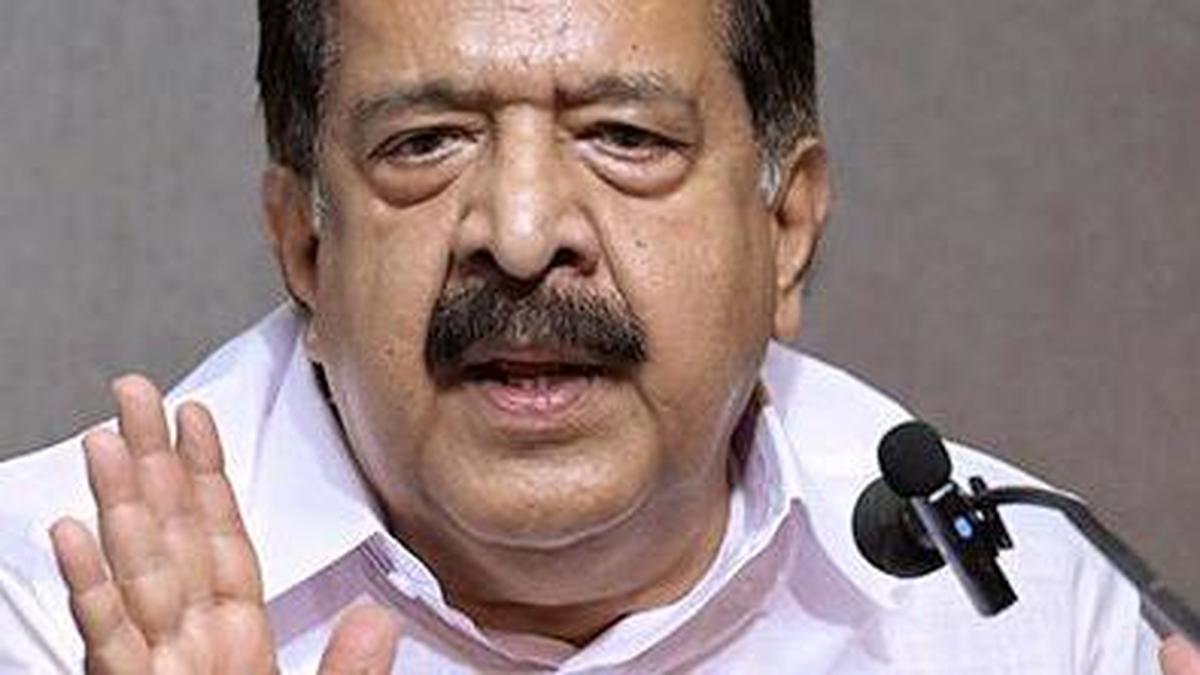
Ramesh Chennithala, a prominent leader of the Congress party, has publicly criticized the Kerala government regarding its latest legal move concerning the Sabarimala temple. He claims that the Left Democratic Front (LDF) government is using a new court document to trick and confuse religious followers. According to Chennithala, the government has not changed its original plan to allow women of all ages into the temple, despite trying to appear more neutral in its recent statements. This development has once again brought the long-standing debate over temple traditions and legal rulings back into the spotlight.
Main Impact
The primary impact of this statement is the renewed political tension between the ruling LDF government and the opposition parties in Kerala. By accusing the government of being dishonest, Chennithala is signaling that the Sabarimala issue remains a major point of conflict. This could lead to a loss of trust among devotees who feel the government is not being transparent about its intentions. For the public, this means that the legal and social battle over the temple's customs is far from over, and it may continue to influence local politics and community relations for a long time.
Key Details
What Happened
The controversy started when the Kerala government filed a new affidavit, which is a formal written statement for a court. Ramesh Chennithala reviewed this document and concluded that it was an attempt to mislead the public. He argued that while the government might be using softer language now, its core goal remains the same as it was years ago. He believes the government is trying to avoid angering voters while still sticking to its plan to change the temple's traditional rules.
Important Numbers and Facts
The Sabarimala issue has been a major topic since 2018. In that year, the Supreme Court of India ruled that women of all ages should be allowed to enter the temple. Before this, women between the ages of 10 and 50 were not permitted to enter because of long-standing religious traditions. Following the 2018 ruling, the LDF government took steps to implement the court's order, which led to massive protests across the state. Chennithala points out that the government has not moved "even an inch" away from that 2018 position, despite the many legal challenges and public outcries that have happened since then.
Background and Context
To understand why this matters, it is important to know that the Sabarimala temple is one of the most famous pilgrimage sites in India. For decades, the temple followed a rule that prevented women of a certain age from entering. Many people believe this rule is a vital part of their faith. However, others argue that the rule is unfair and goes against the principle of equality. When the Supreme Court stepped in to allow everyone to enter, it created a huge divide in society. The LDF government, which is led by the Communist Party, supported the court's decision for equality. The opposition, including the Congress party and the BJP, argued that the government should protect religious traditions instead of forcing changes.
Public or Industry Reaction
The reaction to Chennithala’s statement has been strong. Many religious groups and devotee organizations have expressed similar concerns, fearing that the government is playing a "double game." They worry that the government says one thing to the public to stay popular but tells the court something else to ensure the traditions are changed. On the other hand, supporters of the government argue that the LDF is simply following the law of the land. They believe the opposition is using the temple issue to gain political points before the next elections. This back-and-forth has left many ordinary citizens feeling confused about what the actual rules will be during the next pilgrimage season.
What This Means Going Forward
Looking ahead, the legal battle in the Supreme Court will be the most important thing to watch. The court is currently considering several "review petitions," which are requests to look at the 2018 decision again. The government's affidavit is a key part of this process. If the court decides to uphold its original ruling, the government will have to decide how to handle the situation on the ground. If they try to force entry for all women again, it could lead to more protests. If they do nothing, they might face legal trouble for not following the court. For political leaders like Chennithala, the goal is to keep pressure on the government to ensure that the voices of the devotees are heard during these legal proceedings.
Final Take
The dispute over the Sabarimala affidavit shows that the intersection of law, politics, and religion is very complicated. While the government claims to be following legal orders, the opposition insists that honesty and respect for tradition must come first. As long as there is a gap between what the government says in court and what the people believe, the tension will remain. Clear communication and a genuine effort to understand the feelings of the community will be necessary to find a peaceful way forward for everyone involved.
Frequently Asked Questions
What is an affidavit in this context?
An affidavit is a formal written statement that a person or government gives to a court. In this case, the Kerala government used it to explain its official position on the Sabarimala temple rules to the judges.
Why is Ramesh Chennithala upset with the government?
He believes the government is being dishonest. He claims their new court document is designed to trick devotees into thinking the government has changed its mind, when it actually still wants to allow women of all ages to enter the temple.
What was the 2018 Supreme Court ruling?
The Supreme Court ruled that the ban on women aged 10 to 50 entering the Sabarimala temple was unconstitutional. The court said that women of all ages must be allowed to visit the shrine, which sparked a major debate across India.



