
Summary
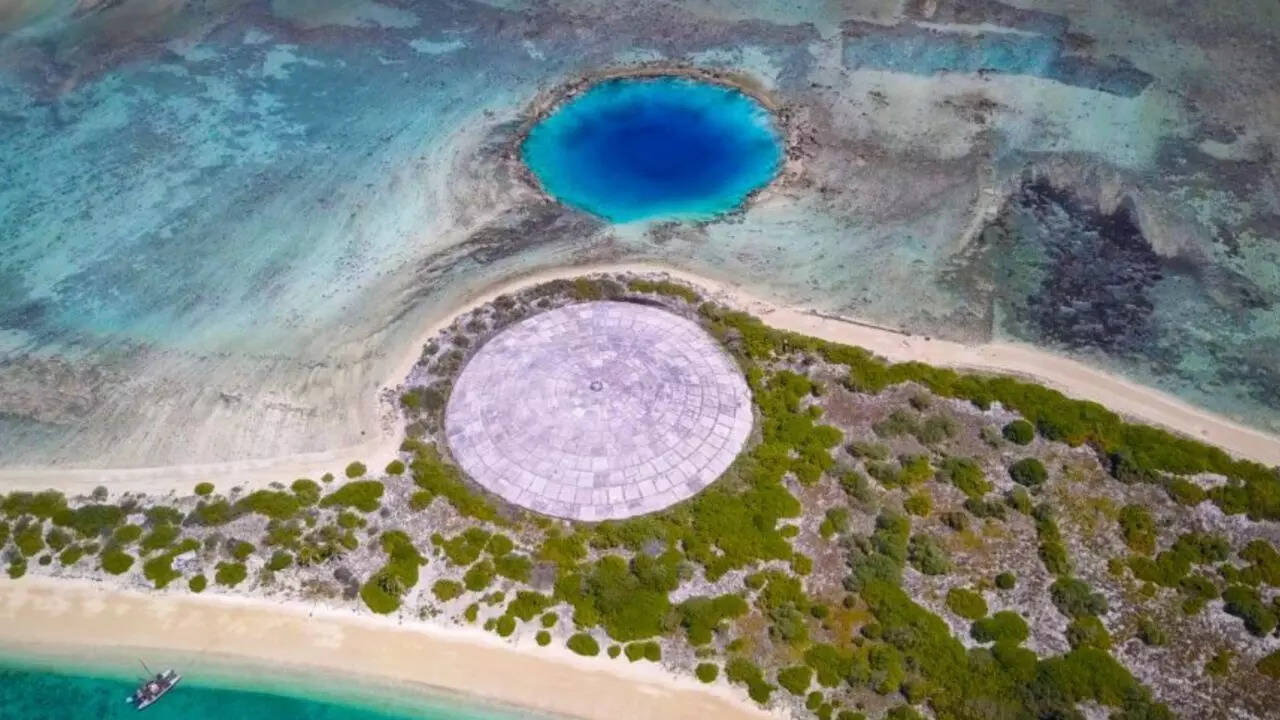
The Runit Dome in the Marshall Islands is a massive concrete structure that holds a large amount of radioactive waste. Built decades ago to contain debris from nuclear bomb tests, the structure is now showing signs of damage. Rising sea levels and cracks in the concrete are raising fears that toxic material could leak into the Pacific Ocean. This situation poses a serious threat to the environment and the health of people living in the region.
Main Impact
The primary danger of the Runit Dome is the potential for a major environmental disaster. If the radioactive waste escapes, it could contaminate the water and enter the food chain. Fish and other sea life would carry the radiation, making them dangerous for humans to eat. This is especially worrying for local communities that depend on the ocean for their daily food and income. The situation also shows how climate change can turn old military sites into modern-day threats.
Key Details
What Happened
Between 1946 and 1958, the United States military conducted 67 nuclear weapon tests in the Marshall Islands. These explosions left behind a huge amount of radioactive soil and debris. In the late 1970s, the U.S. government tried to clean up the area. They gathered the waste and dumped it into a crater created by a previous nuclear blast on Runit Island. They then covered the pile with a thick concrete cap, which people often call "The Tomb."
Important Numbers and Facts
The dome contains approximately 120,000 tons of radioactive waste. The concrete lid is about 18 inches thick and is made of hundreds of concrete panels. However, the bottom of the crater was never lined with concrete or any other protective material. This means that seawater can already seep into the waste from underneath. Recent studies have shown that the concrete on top is cracking, and the structure is not strong enough to withstand the rising tides caused by global warming.
Background and Context
The Marshall Islands were used as a testing ground during the Cold War. The U.S. wanted to see how powerful their nuclear bombs were, and the remote islands seemed like a good place to do it. One of the most famous tests, called Castle Bravo, was much more powerful than expected and spread radiation across a wide area. Many people had to leave their homes because the land became too dangerous to live on. The Runit Dome was meant to be a temporary fix to keep the worst of the waste in one place, but it has now been there for over 40 years.
Public or Industry Reaction
Leaders in the Marshall Islands have been asking for help for a long time. They believe the United States has a responsibility to fix the dome because they are the ones who created the waste. Some environmental experts have warned that the dome is a "ticking time bomb." While some government reports have suggested the dome is currently stable, independent scientists say the risk is growing every year. Many people in the Pacific region are angry that their safety is being ignored while the sea continues to rise.
What This Means Going Forward
The future of the Runit Dome is uncertain. As sea levels continue to rise, the pressure on the structure will increase. There is a real risk that a strong storm or a typhoon could break the concrete cap apart. To prevent a disaster, experts say the site needs constant monitoring and a more permanent solution. This might involve moving the waste to a safer location or building a much stronger containment system. However, these options are very expensive and would require a major international effort.
Final Take
The Runit Dome is a reminder of the long-term costs of nuclear weapons. Even though the tests happened many years ago, the waste they left behind remains a danger today. Protecting the Pacific Ocean from radiation is a task that cannot be delayed. Taking action now is the only way to ensure that the mistakes of the past do not lead to a future environmental catastrophe.
Frequently Asked Questions
What is the Runit Dome?
It is a large concrete structure in the Marshall Islands built to store radioactive waste and soil left over from U.S. nuclear weapon tests.
Why is the dome cracking?
The dome is cracking because it is old and the ground underneath it is shifting. Rising sea levels and higher tides are also putting extra pressure on the concrete.
Is the waste already leaking?
Some studies suggest that seawater is already moving through the waste because the bottom of the pit was never sealed. However, a major break in the concrete cap would make the leak much worse.

