Summary
Rising electricity demand from data centers is driving up power costs for manufacturers in the Rust Belt, threatening President Donald Trump's "Made in America" plan. A Reuters analysis shows factory electricity bills are rising faster than those for other customers. This is squeezing profit margins for steelmakers and brick factories, creating a conflict between Trump's support for tech companies and his manufacturing revival goals.
Main Impact
The growing energy demand from data centers is straining the largest power grid operator in the United States, PJM Interconnection, which serves 13 states including many Rust Belt areas. Manufacturers in this region are seeing their electricity costs rise sharply, which is hurting their ability to compete and invest. This directly undermines Trump's "Made in America" plan, which aims to bring back manufacturing jobs and production to the US. At the same time, Trump has championed the tech companies driving the AI data center boom, creating a policy conflict.
Key Details
What Happened
Data centers, which require massive amounts of electricity to power and cool their servers, are expanding rapidly across the US. This has increased demand on the power grid, especially in regions like the Rust Belt where PJM operates. As a result, electricity prices for industrial customers have risen, with factories bearing the brunt of the cost increases.
Important Numbers and Facts
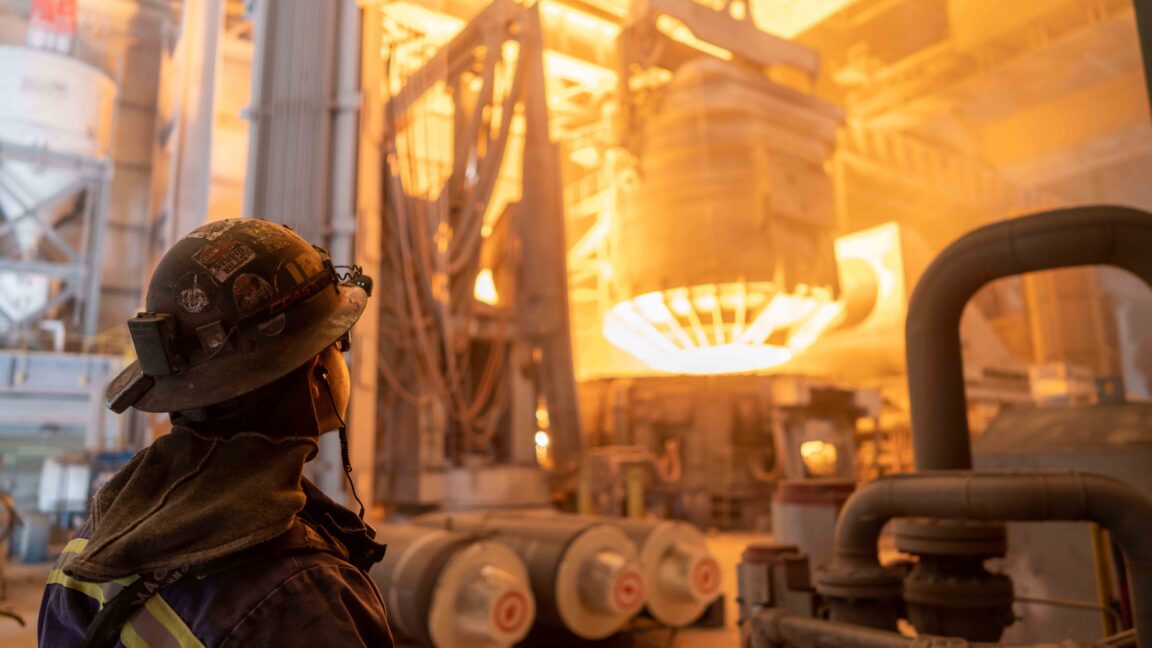
The Belden Brick Company, a 141-year-old brick manufacturer in Ohio, saw its monthly electricity bill jump from $1,600 to $12,000 due to a higher capacity charge. The Steel Manufacturers Association warned that US steel companies in the PJM region are paying tens of millions of dollars more in power costs each year. Electricity accounts for 20 to 40 percent of the total production costs for making steel, making these increases especially damaging.
Background and Context
The Rust Belt, which includes states like Ohio, Pennsylvania, and Indiana, has long been a center for US manufacturing. Trump's "Made in America" plan aims to revive this sector by encouraging domestic production and reducing reliance on foreign imports. However, the rise of data centers, driven by the boom in artificial intelligence and cloud computing, is creating new competition for electricity. Data centers need constant, reliable power, and their growth is outpacing the ability of grid operators to add new capacity, leading to higher prices for all customers.
Public or Industry Reaction
Manufacturers have expressed frustration over the rising costs. The Steel Manufacturers Association has warned that the higher power bills are making US steel less competitive globally. The Belden Brick Company's experience highlights the strain on smaller manufacturers, which have less ability to absorb cost increases. Tech companies, meanwhile, have defended the need for data centers, arguing they are essential for AI development and economic growth. The conflict between these two industries is putting pressure on policymakers to find a balance.
What This Means Going Forward
The rising energy costs for manufacturers could slow down the "Made in America" plan, as factories may struggle to compete with foreign producers that have lower power costs. This could also lead to job losses or reduced investment in the Rust Belt. At the same time, the growth of data centers is unlikely to slow, given the demand for AI services. Policymakers may need to consider new approaches, such as building more power plants, improving grid efficiency, or offering subsidies to manufacturers. The situation highlights the tension between supporting tech innovation and protecting traditional industries.
Final Take
The conflict between data center growth and manufacturing revival is a real challenge for Trump's "Made in America" plan. Without action to address rising electricity costs, the goal of bringing back US manufacturing could be undermined by the very tech boom the administration supports. Finding a way to balance these competing demands will be key to the plan's success.
Frequently Asked Questions
Why are data centers driving up electricity costs for manufacturers?
Data centers need a lot of electricity to run and cool their servers. As more data centers are built, especially in regions like the Rust Belt, they increase demand on the power grid. This higher demand leads to higher prices for electricity, which affects all customers, including manufacturers.
How does this affect Trump's "Made in America" plan?
The "Made in America" plan aims to revive US manufacturing by making it cheaper and easier to produce goods in the US. Higher electricity costs make manufacturing more expensive, reducing profit margins and making US products less competitive. This could slow down or reverse the progress of the plan.
What can be done to solve this problem?
Possible solutions include building new power plants to increase electricity supply, improving grid efficiency to reduce costs, or offering subsidies to manufacturers to offset higher power bills. Policymakers could also encourage data centers to use renewable energy or locate in areas with less strain on the grid.