
Summary
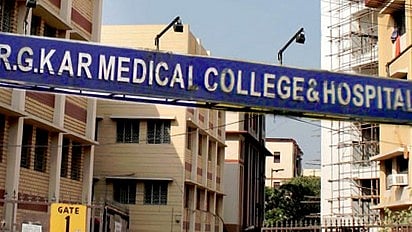
A recent investigation into a tragic death at R.G. Kar Medical College and Hospital has revealed shocking safety failures. A man named Arup Bandopadhyay died after becoming trapped in an elevator in the hospital’s trauma care unit. The probe found that the three elevator operators on duty were drunk and had never received proper training for their jobs. This incident has raised serious questions about how staff are hired and supervised at the state-run facility.
Main Impact
The most direct impact of this investigation is the arrest of the three elevator operators. Their inability to act during an emergency led to a loss of life that many believe was preventable. Beyond the arrests, the findings have damaged public trust in the hospital’s safety protocols. It shows a major breakdown in management, where untrained and intoxicated individuals were left in charge of essential equipment in a high-pressure medical environment.
Key Details
What Happened
On the night of March 20, Arup Bandopadhyay entered a lift in the trauma care building but became stuck. His family tried to get help, but they faced several hurdles. The investigation found that the operators assigned to the shift were too drunk to respond. Because they were intoxicated, they could not perform basic rescue steps. They did not try to open the doors from the outside or check the lift from the basement level. There was also a 30-minute delay just to find the key to the elevator doors.
Important Numbers and Facts
The investigation brought several critical facts to light. All three operators on duty were found to be under the influence of alcohol. These men had only started working at the hospital about a month before the accident happened. During their questioning, they admitted they had no formal training on how to handle elevator emergencies. Furthermore, CCTV footage showed that none of the operators were at their assigned posts after midnight. The contract for supplying these workers had only changed hands in mid-February, meaning the entire team was new and inexperienced.
Background and Context
R.G. Kar Medical College and Hospital is a major government-run institution that serves thousands of patients. Like many large public buildings, its maintenance is handled through a complex system of outsourcing. The Public Works Department (PWD) is responsible for the physical maintenance of the elevators. However, they hire a separate private agency to provide the people who operate them. This split in responsibility often makes it hard to track who is accountable when something goes wrong.
In this case, the agency providing the staff had recently changed. The new company hired a fresh group of workers who were put on duty without being taught how to manage the machinery or handle a crisis. The accused workers also claimed that drinking alcohol while on night duty was a common habit among some non-medical support staff, suggesting a much larger problem with discipline and oversight within the hospital's workforce.
Public or Industry Reaction
The public reaction has been one of anger and disbelief. Families of patients are worried that basic services like elevators are being managed by people who are not fit for duty. Safety experts have pointed out that a hospital should be one of the safest places for a person, yet this incident shows a total lack of care. There are now loud calls for the government to review all contracts with private agencies that supply staff to public hospitals. People want to see stricter background checks and mandatory safety certifications for every worker, regardless of their role.
What This Means Going Forward
Moving forward, the hospital and the PWD will likely face pressure to change how they manage staff. There is a clear need for regular supervision, especially during night shifts. One possible step could be the introduction of random breathalyzer tests for staff in charge of critical equipment. Additionally, the hospital must ensure that every operator is fully trained before they are allowed to work alone. The legal case against the three operators will continue, but the broader goal will be to fix the system so that a simple mechanical failure does not turn into a fatal tragedy again.
Final Take
This incident is a painful reminder that safety is about more than just working machines; it is about the people who run them. When a hospital fails to train its staff or monitor their behavior, the consequences can be life-threatening. To prevent another tragedy, there must be a shift toward better accountability and higher standards for every person working behind the scenes in our healthcare system.
Frequently Asked Questions
Why were the lift operators unable to help the victim?
The investigation found that the operators were heavily intoxicated and lacked the training needed to perform emergency rescue procedures, such as opening the doors manually.
Who is responsible for the elevators at the hospital?
The Public Works Department (PWD) handles the maintenance of the lifts, but they hire private contractors to provide the staff who operate them.
What did the CCTV footage reveal about the night of the accident?
The footage showed that the operators were not at their posts after midnight, leaving the elevators unsupervised during the time the accident occurred.

