Summary
U.S. venture capital firms have poured a record $412.7 billion into startups in the first half of 2026. That is more money than ever before, but almost all of it is going to a small group of top companies. Most of the cash is flowing into artificial intelligence (AI) deals and very large investments of $100 million or more. Smaller and mid-sized startups are being left out, and the market is becoming more divided than ever.
Main Impact
The record-breaking $412.7 billion in venture capital spending shows that the industry is bigger than ever. But the real story is how uneven the money is spread. AI companies grabbed 86% of all venture dollars, and a huge 91% of the money went to deals worth $100 million or more. This means that only the most popular startups and the richest investors are benefiting. Everyone else is struggling to get attention and funding.
Key Details
What Happened
PitchBook and the National Venture Capital Association released their midyear report for 2026. The numbers show that U.S. venture capitalists have already spent more in six months than they did in all of 2025. The total of $412.7 billion is 30% higher than last year's full-year total. But the money is not spreading out. It is going to a very small number of companies, mostly in AI.
Important Numbers and Facts
Here are the key figures from the report:
- Total venture capital deployed in first half of 2026: $412.7 billion.
- AI deals made up 86% of all venture dollars.
- 91% of capital went to deals of $100 million or more.
- Exit value (money returned to investors) hit $2.2 trillion, but almost all of it came from SpaceX.
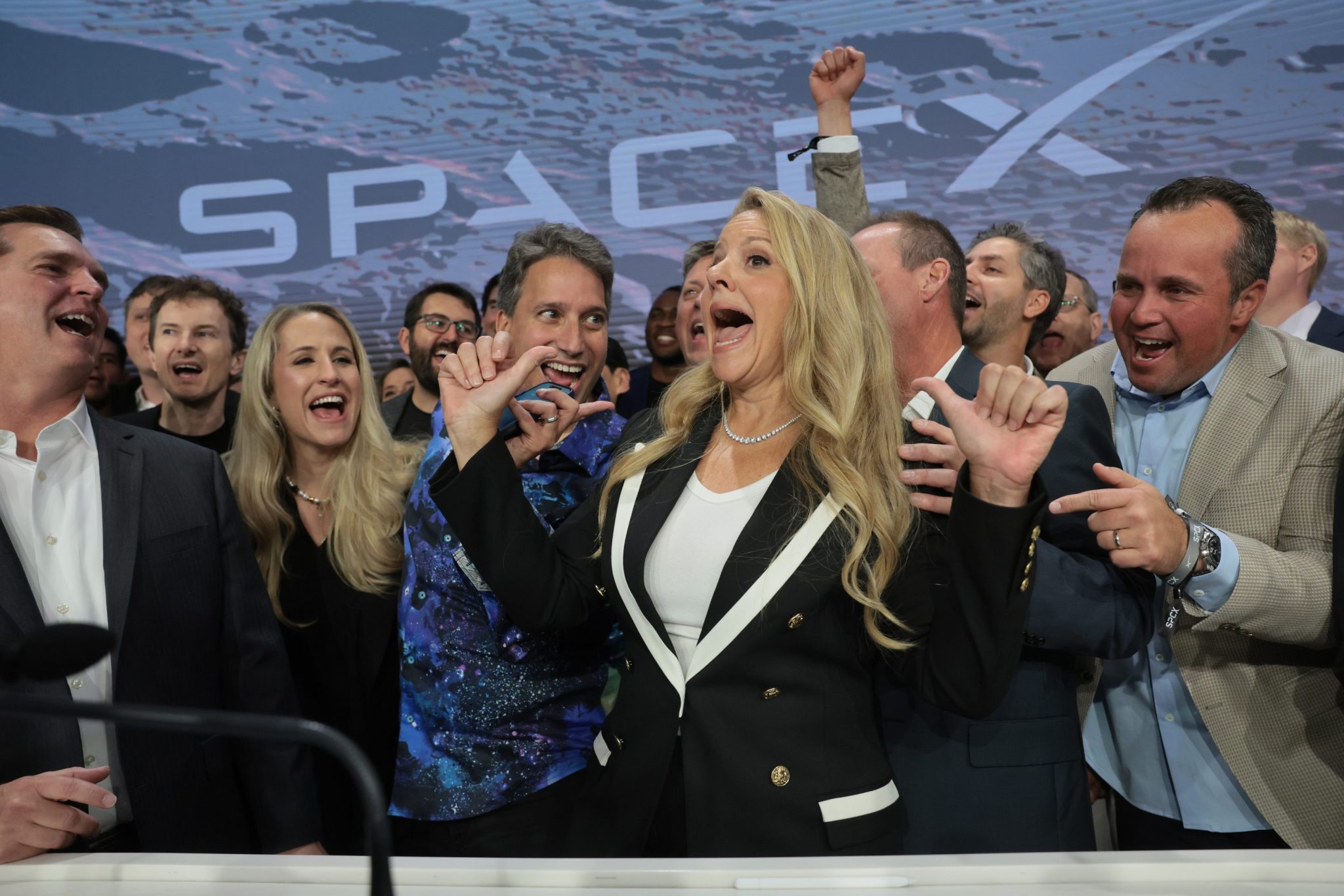
- SpaceX's IPO alone accounted for $1.7 trillion of that exit value.
- Another $250 billion came from xAI, which is also linked to SpaceX.
Background and Context
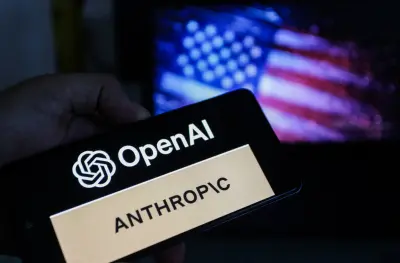
Venture capital has always been a risky business where investors bet on young companies. But in recent years, the market has become much more focused on a few big winners. The rise of AI has made this trend even stronger. Companies like OpenAI, Anthropic, and SpaceX are seen as the biggest opportunities, so they get almost all the money. This leaves many other startups, even those that are doing well, without the funding they need to grow or go public.
Public or Industry Reaction
Kyle Stanford, who leads U.S. venture capital research at PitchBook, described the market as split into two very different areas. He said the top companies have all the capital they need, but everyone else is fighting for scraps. He also noted that SpaceX is "the center of the universe for VC" right now. Many mid-tier companies that would have been strong candidates for an IPO in the past are now stuck. They cannot easily go public because investment banks are busy working on the biggest deals, like SpaceX, OpenAI, and Anthropic.
What This Means Going Forward
The market is waiting for OpenAI or Anthropic to go public. Their IPOs could help reset expectations and show investors what AI companies are really worth. If both delay their listings, questions will grow about whether these companies are overvalued. For mid-sized startups, the outlook is tough. They were built for a market that no longer exists. Without a major shift, they may struggle to find buyers or go public. The venture capital world has changed for good, and the gap between the top and the rest is only getting wider.
Final Take
The record $412.7 billion in venture capital spending is a sign of a booming market, but it is also a warning. The money is not trickling down to most startups. Instead, it is piling up at the top, creating a two-tier system. For the industry to stay healthy, it may need more balance. Until then, the biggest winners will keep winning, and everyone else will have to fight harder for a smaller piece of the pie.
Frequently Asked Questions
Why is most venture capital going to AI companies?
Investors believe AI will change many industries and create huge profits. Companies like OpenAI and Anthropic are seen as the leaders in this field, so they attract the most money. This trend has made AI the dominant sector in venture capital.
What does this mean for smaller startups?
Smaller startups are finding it very hard to get funding. Most venture capital is going to large deals of $100 million or more. This leaves many promising companies without the money they need to grow, hire staff, or develop new products.
Will the market become more balanced in the future?
It is unclear. The current trend of concentration may continue as long as AI and a few big companies dominate. If OpenAI or Anthropic go public successfully, it could open the door for more IPOs. But for now, the market remains heavily focused on a small number of winners.