
Summary
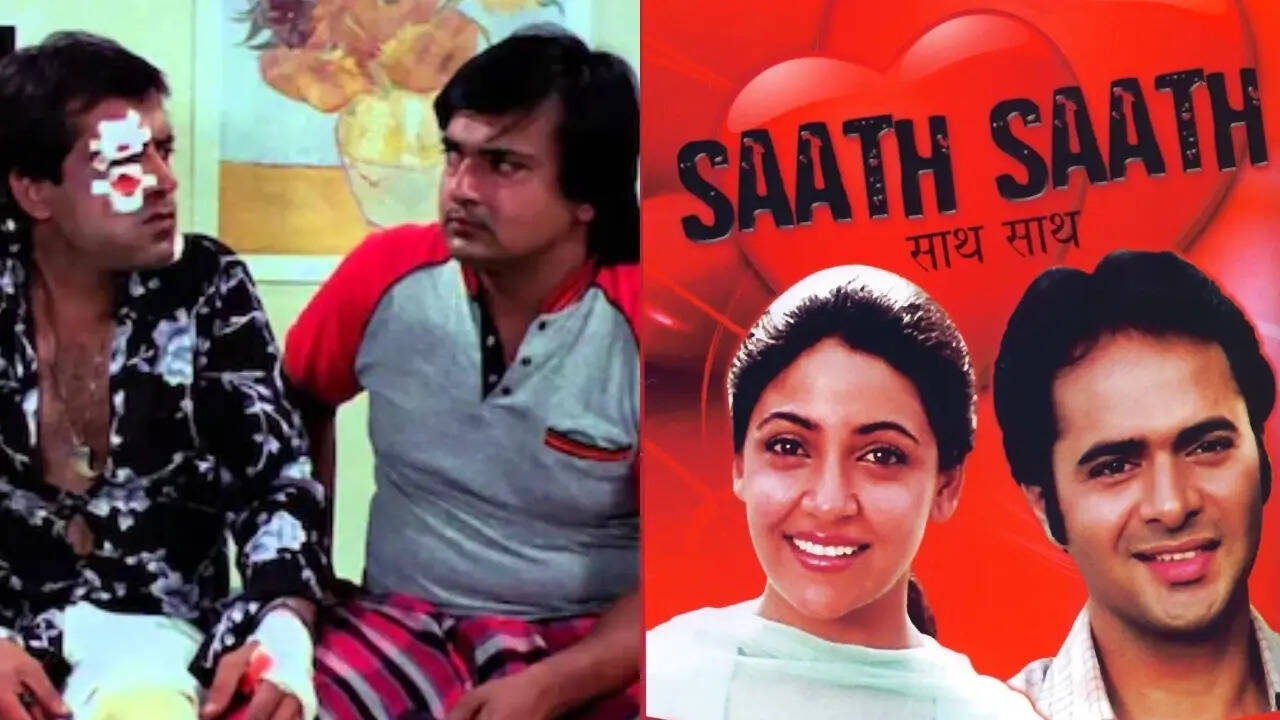
Veteran actor Rakesh Bedi recently shared a surprising story about his time working on the 1982 film Saath Saath. He revealed that he was not paid any money for his role in the movie, which has since become a classic. Beyond the lack of a salary, Bedi also had to cover his own travel costs and bring his own food to the film set. This story highlights the massive shift in how the Indian film industry treats its actors today compared to forty years ago.
Main Impact
The main impact of this revelation is the light it shines on the "Parallel Cinema" movement of the 1980s. During this time, many filmmakers tried to tell realistic stories on very small budgets. While these movies are now respected for their artistic value, the actors often worked under very difficult financial conditions. Bedi’s experience shows that many famous performances were fueled by passion rather than profit. It also serves as a reminder of the struggles faced by supporting actors who helped build the foundation of modern Indian cinema.
Key Details
What Happened
In a recent conversation with filmmaker Farah Khan, Rakesh Bedi looked back at his early days in the industry. He specifically mentioned the movie Saath Saath, which starred Farooq Sheikh and Deepti Naval. Bedi explained that the production had almost no budget to pay the cast. He accepted the role because he believed in the project, even though it meant working for free. He noted that the concept of "conveyance," or being paid for travel to the set, did not exist for him on that project. He would travel on his own and carry a lunch box from home every day.
Important Numbers and Facts
The film Saath Saath was released in 1982 and was directed by Raman Kumar. It is famous for its soulful music and its honest portrayal of a young couple's struggle with money and ethics. Rakesh Bedi, who is now a household name due to shows like Shriman Shrimati and Yeh Jo Hai Zindagi, was still finding his footing at the time. Farah Khan, who hosted the discussion, recalled meeting Bedi at the home of famous writer Javed Akhtar when she was just a teenager. She noted that during that era, it was quite common for actors to work without a formal contract or guaranteed pay.
Background and Context
To understand why this happened, one must look at the state of the Hindi film industry in the early 1980s. While big action movies had large budgets, there was a separate group of filmmakers making "small" movies. These films focused on middle-class problems, social issues, and realistic characters. Because these movies did not have big financial backing, everyone involved often made sacrifices. Actors like Rakesh Bedi, Farooq Sheikh, and Deepti Naval were part of a group that valued the quality of the story over the size of the paycheck.
In those days, the industry was much less organized. There were no talent management agencies, and legal contracts were not as strict as they are now. Many deals were made based on friendships and verbal promises. For a young actor, getting a role in a good film was often seen as a reward in itself, as it provided visibility and future opportunities.
Public or Industry Reaction
Farah Khan expressed her surprise at the extent of the struggle, though she admitted that the industry used to function very differently. Many fans and younger actors have reacted to the news with a mix of respect and shock. On social media, people have praised Bedi for his dedication to his craft. The story has sparked a discussion about how much the "work culture" in Bollywood has improved. Today, even minor actors have unions and clear rules about working hours, food, and travel pay. Hearing about a veteran like Bedi bringing his own food because the production couldn't provide it has made many people appreciate the comforts of the modern film set.
What This Means Going Forward
This story serves as a historical lesson for the new generation of actors and filmmakers. It shows that the industry was built on the backs of people who were willing to work for the sake of art. Going forward, it highlights the importance of fair pay and professional standards. While the passion of the 1980s was admirable, the lack of financial security for actors was a major problem. Modern systems, such as the Cine and TV Artistes' Association (CINTAA), now work to ensure that no actor has to work for free or pay for their own basic needs while on a job. Bedi’s story is a bridge between the old world of struggle and the new world of professional entertainment.
Final Take
Rakesh Bedi’s memories of Saath Saath remind us that great art often comes from humble beginnings. While he did not make money from the film, he earned a place in cinema history and the respect of his peers. His journey from bringing a lunch box to the set to becoming a legendary comic actor is a testament to his hard work. It is a story of how the love for acting can sometimes outweigh the need for a paycheck, even if those days of working for free are thankfully mostly in the past.
Frequently Asked Questions
Was Rakesh Bedi the only actor not paid for Saath Saath?
While Bedi specifically mentioned his own experience, it was common for many supporting actors in low-budget films of that era to work for very little money or for free to support the filmmaker's vision.
What is the movie Saath Saath about?
Saath Saath is a 1982 film that tells the story of a man who refuses to give up his principles for money, and how this affects his marriage and his life in a changing society.
How has the film industry changed since 1982?
The industry is now much more professional. Actors usually have legal contracts, guaranteed pay, travel allowances, and catered meals provided by the production house.



