
Summary
Rahul Gandhi, the Leader of the Opposition in the Lok Sabha, has issued a strong warning regarding the growing conflict in West Asia. He stated that the fighting involving Israel, Iran, and the United States is not just a local issue. Instead, he views it as a major power struggle between the United States, China, and Russia. Gandhi warned that this global tension could lead to serious economic problems for India, especially regarding energy costs and fuel prices. He urged the Indian government to stay alert and careful as these international tensions rise.
Main Impact
The biggest impact of this situation is the potential threat to India’s economic stability. Because India relies heavily on oil from the Middle East, any disruption in that region quickly affects the local economy. Gandhi pointed out that if the conflict makes it harder to ship oil, the price of fuel in India will go up. This would not only make daily life more expensive for citizens but also slow down the country’s overall financial growth. The shift from a regional fight to a global strategic contest means that the risks are no longer confined to one part of the world.
Key Details
What Happened
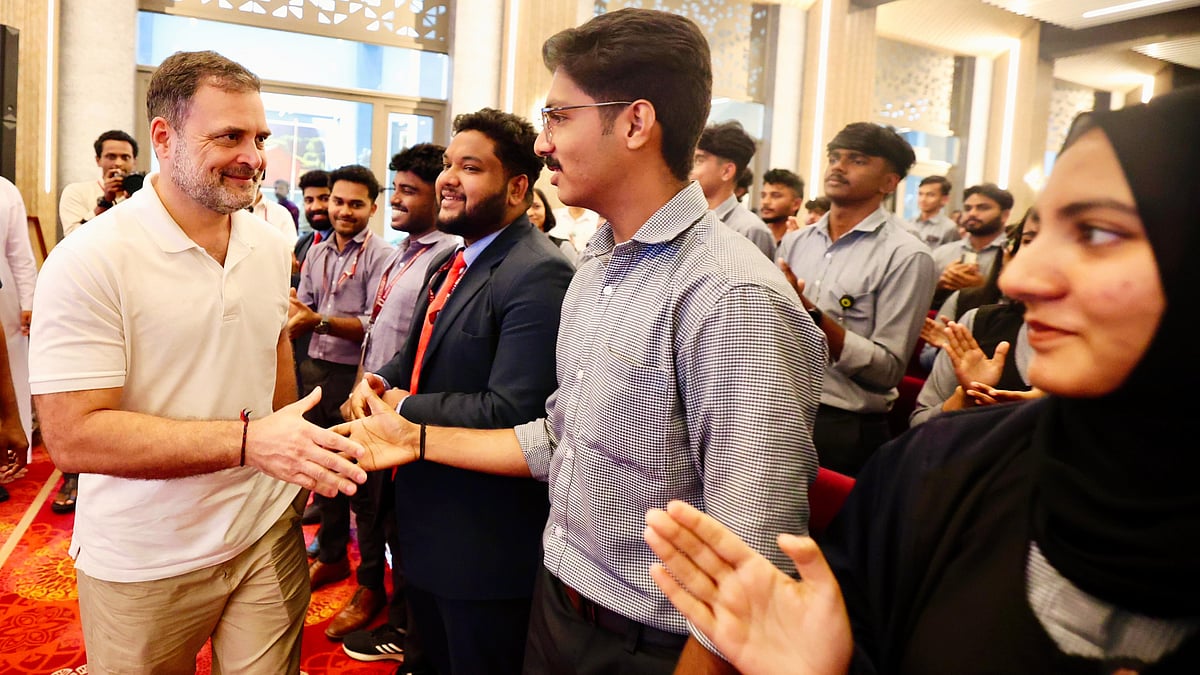
During a recent event in Kerala, Rahul Gandhi spoke about the current state of world politics. He explained that while the war looks like it is only between a few countries on the surface, it is actually a fight for global dominance. He noted that the United States is working hard to remain the most powerful nation in the world. At the same time, China is rapidly growing and trying to close the gap. Russia is also a key player in this struggle. Gandhi believes these three giants are using regional conflicts to test their strength and influence.
Important Numbers and Facts
India imports a huge amount of its crude oil from West Asian countries. A major concern mentioned by Gandhi is the Strait of Hormuz. This is a narrow and vital waterway through which a large portion of the world's oil is transported every day. If this path is blocked or becomes dangerous due to war, the global supply of energy would drop instantly. This would cause oil prices to spike everywhere. For India, which is one of the world's largest energy consumers, such a change would be a major blow to the national budget and the cost of living for millions of people.
Background and Context
The comments were made during a special event marking 100 years since Mahatma Gandhi met with the social reformer Sree Narayana Guru. This historical context was used to highlight the difference between the peaceful methods of the past and the violent methods used today. Rahul Gandhi used this platform to explain why West Asia matters so much to the rest of the world. The region is the heart of global energy production. Because of this, any war there acts like a stone thrown into a pond, creating ripples that reach every corner of the globe. He argued that the world is moving into a more unstable phase where such power struggles will happen more often.
Public or Industry Reaction
The Congress party shared these remarks on social media to highlight their stance on foreign policy. Within the political space, there is a growing debate about how India should balance its relationships with the US, Russia, and China. Industry experts often agree that India’s energy security is its weakest point during global conflicts. When global oil prices rise, the Indian government often has to choose between raising prices for voters or spending more on subsidies. Gandhi’s warning reflects a broader concern among experts that India must protect its own interests while the world's biggest powers fight for control.
What This Means Going Forward
Moving forward, India will need to manage its foreign policy very carefully. The country cannot afford to take sides in a way that hurts its access to energy. If the "strategic contest" between the US, China, and Russia gets worse, India might find it harder to stay neutral. There is also the risk of more frequent economic shocks. If fuel prices stay high for a long time, it could lead to inflation, making food and transport more expensive for everyone. Gandhi suggested that the world is moving away from talking and toward fighting, which makes the future harder to predict.
Final Take
The current global situation is a reminder that events far away can have a direct impact on our daily lives. By framing the Middle East conflict as a three-way struggle between the world's biggest powers, Rahul Gandhi is calling for a more cautious and independent approach for India. The focus must remain on protecting the economy and ensuring that the country does not get caught in the middle of a fight that is not its own. Choosing dialogue over violence is not just a moral choice, but a necessary one for global stability.
Frequently Asked Questions
Why does the war in the Middle East affect India's economy?
India buys most of its oil from the Middle East. If there is a war, shipping becomes difficult and oil production might stop, which makes the price of petrol and diesel go up in India.
What is the "strategic contest" Rahul Gandhi mentioned?
It refers to the competition between the United States, China, and Russia to be the most powerful country in the world. Gandhi believes these countries are using smaller wars to gain more influence.
What is the Strait of Hormuz and why is it important?
The Strait of Hormuz is a narrow water passage in the Middle East. It is one of the most important places in the world for shipping oil. If it is closed, the world could face a massive energy shortage.

