
Summary
Rahul Gandhi, the Leader of the Opposition in the Lok Sabha, has voiced strong criticism against the Indian government’s foreign policy. Speaking on March 24, 2026, Gandhi claimed that India’s approach to international relations has become too personal and is no longer independent. He argued that the current leadership is following the lead of other nations like the United States and Israel instead of focusing on India’s own needs. This criticism comes as the conflict between the US, Israel, and Iran reaches its fourth week, causing worries about global stability and rising prices at home.
Main Impact
The main impact of these statements is a growing political divide over how India should handle major world conflicts. Gandhi’s comments suggest that India is losing its influence on the global stage. He warned that if the government does not take a more independent path, the country could face serious economic problems. This includes higher costs for fuel and farming supplies, which would affect millions of families across the nation. The debate highlights a shift from a unified national policy to one that is now being questioned for its loyalty to foreign powers.
Key Details
What Happened
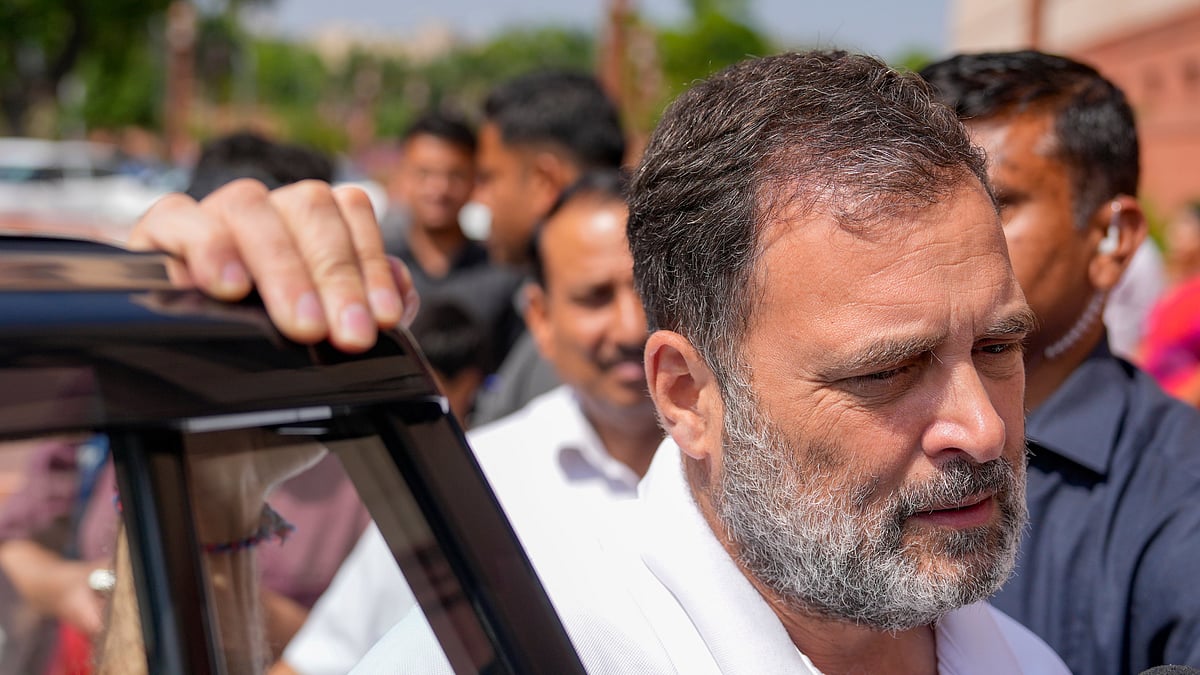
During a press meeting at the Parliament House, Rahul Gandhi described India’s current foreign policy as a "universal joke." He alleged that Prime Minister Narendra Modi is making decisions based on what the US and Israel want. Gandhi expressed concern that India is being left out of important talks. He pointed to reports that Pakistan is acting as a middleman between the US-Israel group and Iran, while India remains on the sidelines. He stated that a "compromised" leader leads to a "compromised" foreign policy, which puts the country at risk.
Important Numbers and Facts
The conflict in West Asia has now been going on for 28 days. This four-week period has already started to affect global trade routes. Gandhi specifically mentioned three areas where prices are likely to rise: LPG (cooking gas), petrol, and fertilizers. These are essential items for the Indian economy. Furthermore, recent data shows that tensions in the Strait of Hormuz could threaten more than 13 percent of India’s non-oil exports. This adds a heavy financial weight to the political arguments being made in Parliament.
Background and Context
The situation in West Asia is complex and involves several powerful countries. For decades, India has tried to maintain a balance between its friendships with the US and Israel and its energy needs from Iran. However, as the fighting continues, staying neutral has become harder. The region is vital for India because it provides most of the country’s oil and gas. Any long-term war there usually leads to a jump in energy prices worldwide. This is why the political debate in India is heating up; the outcome of this war will directly affect how much Indians pay for basic goods.
Public or Industry Reaction
The government has responded by asking for calm and unity. Prime Minister Modi recently compared the current global instability to the COVID-19 pandemic. He urged the public to stay patient and restrained, just as they did during the health crisis. However, this comparison has faced backlash from the opposition. Critics like Gandhi argue that the pandemic was a time of great suffering and that using it as a comparison for a war is not right. Many people in the trade industry are also worried. They fear that if India does not take a strong, independent stand, its trade routes could be blocked, leading to job losses and business closures.
What This Means Going Forward
In the coming weeks, the Indian government will be under pressure to show that it has a clear plan. If fuel prices start to climb, the public will look for answers. The government will need to prove that it is not just following the orders of other countries but is working to protect Indian citizens. There is also the risk of a "prolonged global instability," as the Prime Minister warned. This means India might have to find new ways to get its energy and sell its goods if the usual routes through the Middle East remain dangerous. The political battle over these issues is likely to get more intense as the conflict continues.
Final Take
The current dispute shows that foreign policy is no longer just about meetings in far-off countries; it is about the price of gas and food in India. While the government calls for patience and unity, the opposition is demanding a more active and independent role for the country. How India navigates this four-week-old conflict will define its reputation and its economic health for years to face. The focus must remain on protecting national interests while managing the very real threat of rising costs for the common man.
Frequently Asked Questions
Why is Rahul Gandhi criticizing the foreign policy?
He believes the Prime Minister is making decisions based on the interests of the US and Israel rather than what is best for India. He claims this makes India look weak on the global stage.
How does the West Asia conflict affect the Indian economy?
The conflict can lead to higher prices for petrol, cooking gas, and fertilizers. It also threatens trade routes like the Strait of Hormuz, which are used to export Indian goods.
What was the Prime Minister’s response to the crisis?
Prime Minister Modi called for the nation to remain united and patient. He compared the current global instability to the challenges faced during the COVID-19 pandemic.

