
Summary
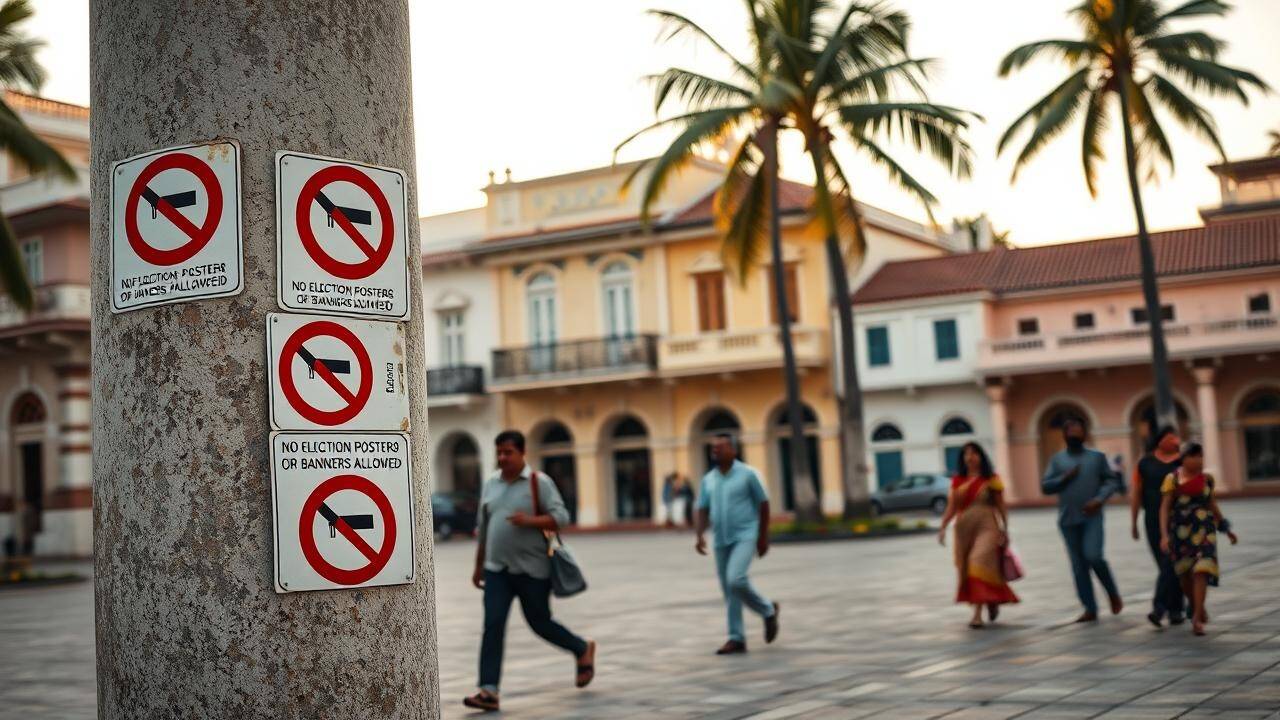
The government in Puducherry has officially banned the defacement of properties as the region prepares for the upcoming assembly elections. This new rule is designed to ensure that the election process remains free, fair, and organized. By stopping political parties from putting up unauthorized posters and banners, the administration aims to keep the city clean and prevent any single group from gaining an unfair advantage through illegal advertising.
Main Impact
The most immediate impact of this order is the protection of public and private spaces from being covered in political advertisements. In many previous elections, walls, bridges, and government buildings were often covered with paint and paper, which was difficult and expensive to clean up later. This ban forces political candidates to follow strict guidelines, ensuring that the visual environment of Puducherry is respected. It also creates a more level playing field, as parties must now rely on approved methods of campaigning rather than simply plastering every available surface with their messages.
Key Details
What Happened
The Puducherry administration issued a formal notice that prohibits any person or political group from defacing property. This includes writing on walls, sticking posters, or hanging banners on any public structure. The rule also extends to private properties unless the owner has given written permission. This move is part of the broader effort to enforce the Model Code of Conduct, which is a set of rules that everyone must follow during election time to keep things orderly.
Important Numbers and Facts
The ban covers all regions of the Union Territory, including Puducherry, Karaikal, Mahe, and Yanam. Local authorities have formed special teams to monitor the streets 24 hours a day. If any illegal posters or paintings are found, they will be removed immediately. The cost of removing these items may even be charged to the candidate or the party responsible. Furthermore, those who violate these rules can be punished under the local laws that prevent the defacement of open places, which could lead to fines or even jail time in serious cases.
Background and Context
Elections in India are often very loud and visual. Political parties usually try to reach as many people as possible by putting their symbols and faces on every wall they can find. While this is a traditional way of campaigning, it often leads to a lot of mess and damage to property. Over the years, the Election Commission has become much stricter about this. They want to make sure that the beauty of a city is not destroyed just because an election is happening. In a place like Puducherry, which is known for its clean streets and tourism, keeping the area tidy is a high priority for the local government.
Public or Industry Reaction
Most citizens have reacted positively to this news. Many homeowners have complained in the past about political workers painting slogans on their compound walls without asking. Residents are happy that they will not have to deal with the mess once the voting is over. On the other hand, some political workers feel that these rules make it harder for them to reach voters who do not use the internet or watch television. However, the government has made it clear that while they can still campaign, they must do it within the legal boundaries and use designated spots for their advertisements.
What This Means Going Forward
As the election date gets closer, the enforcement of these rules will become even more intense. The government will likely use cameras and flying squads to catch people who try to put up banners in the middle of the night. This strict approach might encourage political parties to move their campaigning to digital platforms, such as social media and mobile apps. It also sets a strong example for future elections, showing that the government is serious about maintaining law and order. If this ban is successful, it could lead to even more permanent rules about how advertisements are handled in the Union Territory.
Final Take
The decision to bar property defacement is a positive step toward a more modern and respectful way of conducting elections. It balances the need for political parties to communicate with the right of the public to live in a clean and orderly environment. By holding candidates accountable for how they advertise, Puducherry is ensuring that the spirit of democracy is upheld without sacrificing the cleanliness of its streets. This move proves that a fair election is not just about the votes, but also about how the candidates behave during the race.
Frequently Asked Questions
Can a candidate put a poster on a private house?
Yes, but only if the owner of the house has given their written permission. Even then, the poster must follow the size and placement rules set by the election authorities.
What happens if someone is caught defacing a public building?
The authorities will remove the material immediately. The person or party responsible may face a fine, and the cost of the cleanup will be added to the candidate's official election spending limit.
Does this rule apply to digital advertisements?
No, this specific rule is about physical property like walls and buildings. However, there are other separate rules that govern how political parties can use social media and digital ads during the election period.



