Summary
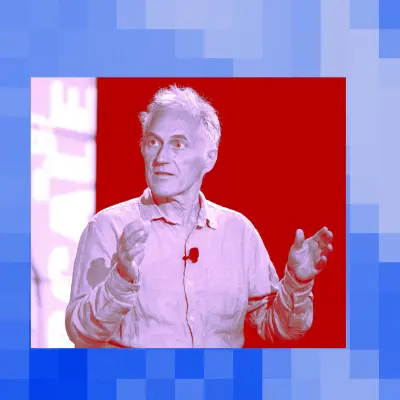
Defense Secretary Pete Hegseth has officially called for a high-level meeting with Dario Amodei, the CEO of the artificial intelligence company Anthropic. The meeting, set to take place at the Pentagon, follows growing concerns regarding how the military uses Anthropic’s AI model, Claude. Hegseth has warned that the government may label the company as a "supply chain risk," a move that could severely limit its ability to work with federal agencies. This development marks a significant moment of tension between the United States government and the private tech sector over the future of national security.
Main Impact
The primary impact of this move is the potential blacklisting of one of the world’s most prominent AI developers from government contracts. If Anthropic is designated as a supply chain risk, it would be grouped with companies that the government views as threats to national safety. This would not only stop the military from using Claude but could also force other government departments to stop using Anthropic’s tools. For the broader tech industry, this signals that the Pentagon is becoming much more strict about which companies it trusts with sensitive data and military operations.
Key Details
What Happened
Secretary Hegseth summoned Dario Amodei to discuss specific issues related to the Claude AI system. Reports suggest the discussion was tense, focusing on how the AI handles data and whether its internal rules align with military needs. The Pentagon is looking closely at how private AI models are built and whether they could be manipulated by foreign actors or fail during critical missions. The threat of being called a "supply chain risk" is a heavy tool used by the government to protect its infrastructure from unreliable or dangerous technology.
Important Numbers and Facts
Anthropic is currently valued at billions of dollars and has received massive investments from major tech firms. The company has marketed its AI, Claude, as being built with "Constitutional AI," a method meant to make the system safer and more helpful. However, the Department of Defense is now questioning if these safety measures interfere with military requirements. While the exact number of military projects using Claude is not public, the AI is known to be used for analyzing large amounts of data, writing code, and helping with logistics planning. A formal risk designation would trigger a review process that could take months and involve multiple intelligence agencies.
Background and Context
The military has been trying to use more artificial intelligence to stay ahead of other countries. AI can help soldiers make faster decisions and manage complex equipment. Anthropic was founded by former members of OpenAI who wanted to focus more on safety and ethics. Because of this focus, many government agencies initially saw Anthropic as a safer choice than its competitors. However, as the technology has become more powerful, the government has become more worried about who controls the software. The term "supply chain risk" is usually used for hardware companies, but applying it to an AI software company shows how much the definition of security is changing.
Public or Industry Reaction
The tech industry has reacted with concern to the news of the summons. Many experts believe that if the government is too hard on AI startups, these companies might stop trying to help the military altogether. On the other hand, some lawmakers have praised Hegseth for taking a tough stance. They argue that the government must have total oversight of any technology used in warfare. Within the AI community, there is a debate about whether "safe" AI models like Claude are actually compatible with the aggressive needs of national defense. Anthropic has not yet made a detailed public comment, but the company has previously stated its commitment to working responsibly with the government.
What This Means Going Forward
In the coming weeks, the Pentagon will likely conduct a deep review of Anthropic’s software and business practices. If the meeting between Hegseth and Amodei does not go well, we could see the first major ban of a domestic AI company from military use. This situation will likely force other AI companies to be more transparent about how their models work. It may also lead to new laws that require AI developers to get special security clearances before they can sell their products to the Department of Defense. The outcome of this dispute will define the rules for how Silicon Valley and the Pentagon work together for years to come.
Final Take
The tension between the Pentagon and Anthropic shows that the era of "easy" partnerships between tech companies and the military is over. As AI becomes a tool for national power, the government is demanding more control and deeper insight into how these systems are built. Whether Anthropic can satisfy these demands while keeping its focus on AI safety remains to be seen. This case will serve as a warning to all AI developers that being a leader in technology does not automatically make you a trusted partner in national security.
Frequently Asked Questions
What is a supply chain risk?
A supply chain risk is a label the government uses for a company or product that could be used by enemies to hurt the United States. It often means the company is banned from working with the government.
Why is the military using Claude?
The military uses AI like Claude to help process information quickly, organize supplies, and assist with technical tasks like writing software code for defense systems.
Who is Dario Amodei?
Dario Amodei is the CEO and co-founder of Anthropic. He previously worked at OpenAI before starting his own company to focus on building safer artificial intelligence.