
Summary
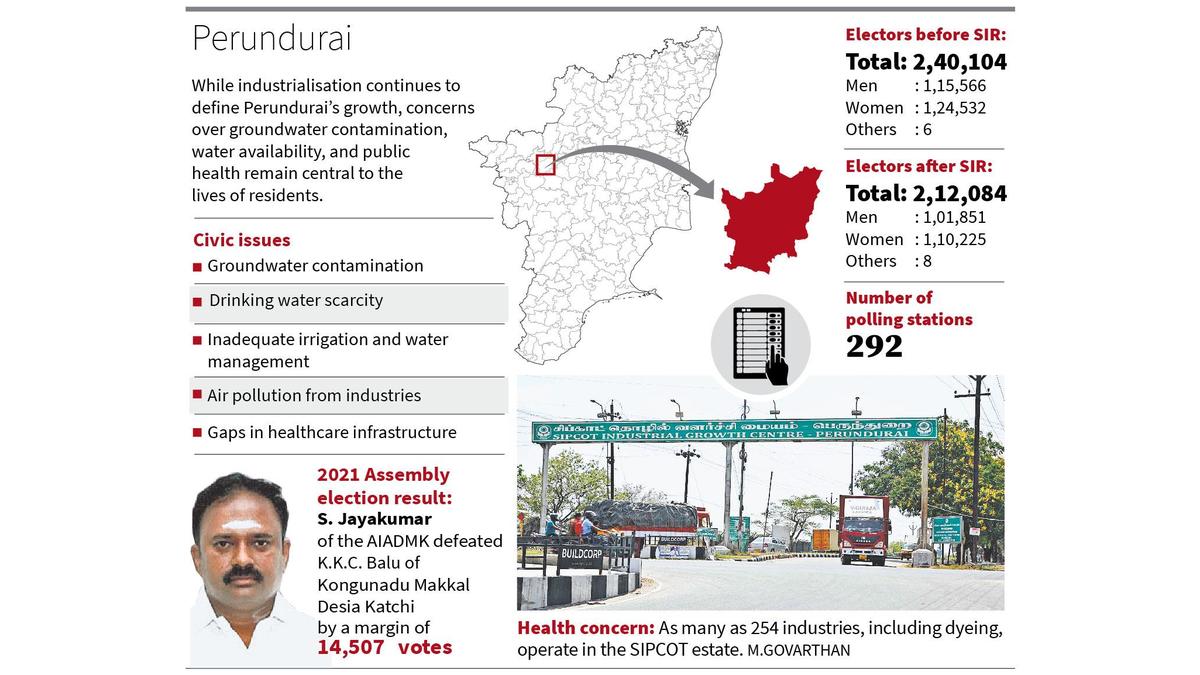
The Perundurai constituency in Tamil Nadu is currently facing a difficult balance between economic success and environmental health. While the region has become a major industrial center, local residents are struggling with severe water scarcity and rising pollution levels. The growth of the SIPCOT industrial estate has provided thousands of jobs, but it has also led to the contamination of groundwater, leaving farmers and families in a tough position. This situation has turned environmental protection into a primary concern for the local population.
Main Impact
The biggest impact of this industrial growth is the damage to the local ecosystem. For decades, Perundurai was known for its agriculture, but the rise of factories has changed the land. Chemical waste from various industrial units has leaked into the soil and water sources. This has not only made the water unsafe to drink but has also made it difficult for farmers to grow healthy crops. The tension between factory owners and the local community continues to grow as the demand for clean water becomes more urgent.
Key Details
What Happened
The problems in Perundurai started to worsen as the SIPCOT (State Industries Promotion Corporation of Tamil Nadu) industrial estate expanded. Many factories, particularly those involved in textile dyeing and leather processing, were set up in the area. While these businesses brought money to the region, many did not follow strict rules for waste disposal. Over time, untreated chemicals were released into the ground. This caused the groundwater in nearby villages to change color and smell, making it unusable for daily needs.
Important Numbers and Facts
The SIPCOT industrial complex in Perundurai covers more than 2,700 acres of land. It is home to hundreds of different manufacturing units that produce everything from clothes to chemicals. Reports from local environmental groups show that water quality in at least 20 surrounding villages has dropped below safe levels. Furthermore, the water table has fallen significantly because factories use large amounts of water every day. This leaves very little for the local farmers who rely on wells to irrigate their fields.
Background and Context
Perundurai is a key part of the Erode district, which is famous for its textile industry. In the late 1990s, the government promoted the area as a hub for industrial development to create jobs and boost the economy. At first, the move was welcomed because it offered a way out of poverty for many families. However, the lack of a proper waste management system meant that the environment was ignored in favor of profit. Today, the region is a clear example of how rapid industrialization can hurt a community if it is not managed carefully.
Public or Industry Reaction
The local community has not stayed silent about these issues. Farmers' unions and environmental activists have organized several protests over the years, demanding that the government take action against polluting factories. They are calling for the strict implementation of "Zero Liquid Discharge" rules, which would require factories to recycle all their waste water instead of dumping it. On the other hand, industry leaders argue that they provide the backbone of the local economy and that shutting down plants would lead to massive job losses. Politicians often promise to fix the water crisis during election seasons, but residents say that real change has been slow to arrive.
What This Means Going Forward
The future of Perundurai depends on whether the government can enforce stricter environmental laws. There is a growing need for a modern water treatment system that can serve both the factories and the residents. If the pollution is not stopped, the agricultural sector in the region may disappear entirely, as the soil becomes too toxic for farming. Moving forward, any new industrial projects will likely face heavy scrutiny from a public that is now much more aware of the environmental costs of business.
Final Take
Industrial growth is important for any region, but it should never come at the cost of basic human needs like clean water and healthy soil. Perundurai stands at a crossroads where it must choose between continuing its current path or adopting a more sustainable way of doing business. The health of the people and the survival of the local farming community depend on making the right choice now. True progress is only possible when the environment and industry can exist together without one destroying the other.
Frequently Asked Questions
Why is water pollution a major issue in Perundurai?
Water pollution is a major issue because many factories in the SIPCOT industrial estate have released chemical waste into the ground. This has contaminated the groundwater that local residents use for drinking and farming.
How has the industry affected local farmers?
Farmers are struggling because the contaminated water ruins their crops and the soil. Additionally, the high water usage by large factories has caused the water table to drop, making it harder for farmers to find enough water for their fields.
What are the residents demanding from the government?
Residents are asking for cleaner water supplies and stricter rules for factories. They specifically want the government to ensure that all industrial units follow waste recycling laws to prevent further pollution of the environment.



