
Summary
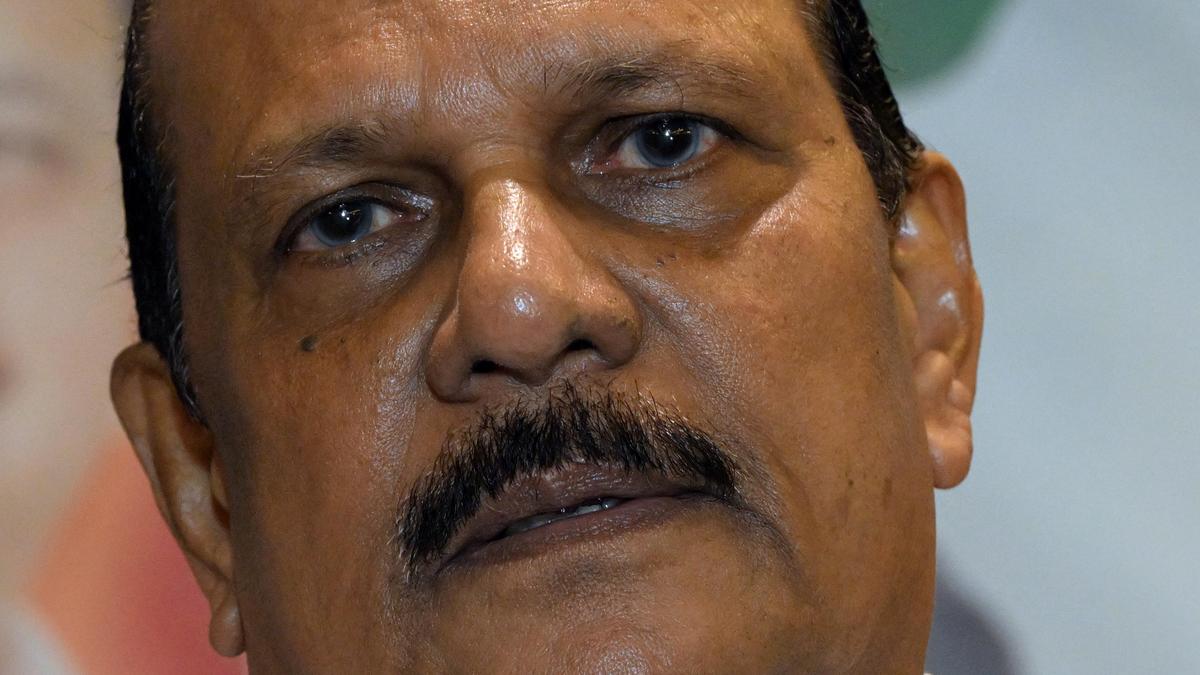
P.C. George, a prominent leader from the Bharatiya Janata Party (BJP), has recently made strong statements regarding the relationship between political leaders and the Christian Church. During a public discussion, George criticized certain bishops and claimed that he is the only candidate in the Poonjar region who has consistently worked for the benefit of the Church. He also confirmed that the central government intends to pass the Foreign Contribution Regulation Act (FCRA) amendment Bill, which will change how religious and social organizations receive money from abroad. These comments have sparked a fresh debate about the role of religious institutions in local politics and the impact of stricter financial laws.
Main Impact
The primary impact of these statements is a visible tension between traditional Church leadership and the BJP in Kerala. By openly criticizing bishops, P.C. George is challenging the long-standing influence that religious heads have over their followers' political choices. Furthermore, his announcement regarding the FCRA amendment Bill signals a tighter grip on the financial operations of many non-governmental organizations (NGOs) and religious bodies. This move could lead to a significant shift in how these institutions fund their social and educational projects, as the new rules aim to increase transparency and government oversight on foreign donations.
Key Details
What Happened
P.C. George spoke about his long history in the Poonjar constituency and his interactions with the Christian community. He expressed his disappointment with some members of the clergy, suggesting that they have not given him the support he deserves despite his past efforts to help the Church. George emphasized that his work for the community was unmatched by any other political rival in the area. At the same time, he used the platform to discuss national policy, specifically focusing on the upcoming changes to foreign funding laws. He made it clear that the government is committed to passing the new Bill, regardless of the opposition from various groups.
Important Numbers and Facts
The FCRA amendment is a major piece of legislation that affects thousands of organizations across India. In recent years, the government has already cancelled the licenses of many NGOs for failing to follow reporting rules. The new Bill is expected to introduce even stricter conditions for how foreign money can be spent. P.C. George, who has been a member of the Kerala Legislative Assembly for several decades, recently joined the BJP, marking a significant change in his political career. His focus on the Poonjar region is vital because it has a large Christian population that often plays a deciding role in election outcomes.
Background and Context
To understand why this matters, one must look at the political climate in Kerala. For a long time, the Christian community has been a powerful voting group. Traditionally, they have supported parties that they felt protected their religious and institutional interests. P.C. George has been a key figure in this environment for years, often acting as a bridge between the community and the government. However, his move to the BJP has changed the dynamic. The BJP is trying to gain more support in Kerala, and George is a central part of that plan. By talking about the FCRA Bill, he is also aligning himself with the national party's goal of monitoring foreign influence in India.
Public or Industry Reaction
The reaction to George's comments has been mixed. Some supporters believe that he is being honest about his contributions and that the Church should be more open to different political parties. They argue that the FCRA changes are necessary to stop the misuse of funds. On the other hand, critics and some Church representatives have expressed concern. They feel that criticizing bishops is a sign of disrespect toward religious institutions. Some leaders in the social sector also worry that the new funding laws will make it harder for them to run schools, hospitals, and charity programs that help the poor. They fear that the government might use these laws to target groups that do not agree with its policies.
What This Means Going Forward
Looking ahead, the relationship between the BJP and the Christian community in Kerala will likely face more challenges. If the FCRA amendment Bill is passed as George predicts, many religious organizations will have to change how they handle their finances. They will need to be much more careful with their paperwork and how they use every rupee received from overseas. Politically, P.C. George will need to balance his loyalty to his new party with his need to keep the trust of his local voters. The upcoming elections will show whether his strategy of being direct and critical will help him win or if it will push traditional voters away.
Final Take
P.C. George is taking a bold path by challenging the status quo in Kerala politics. His comments about bishops and the new funding laws show a leader who is willing to speak his mind, even if it causes controversy. While his claims of being the only true supporter of the Church in Poonjar are meant to win over voters, the real test will be how these communities respond to the stricter government rules he is promoting. The intersection of faith, finance, and politics is becoming more complex, and the outcome of this situation will have a lasting effect on the region's social fabric.
Frequently Asked Questions
What is the FCRA amendment Bill?
The FCRA amendment Bill is a set of proposed changes to the law that controls how organizations in India receive and use money from foreign countries. It aims to make the process more transparent and ensures that the money is used for its intended purpose.
Why did P.C. George criticize the bishops?
George criticized the bishops because he feels that his past work for the Church has not been properly recognized. He believes he has been the most helpful candidate for the Christian community in his region and wants their political support.
How will the new law affect religious organizations?
The new law will likely require these organizations to follow stricter reporting rules. It may limit how they can spend foreign funds and could lead to more government inspections of their financial records.



